
Glaphyra
Glaphyra
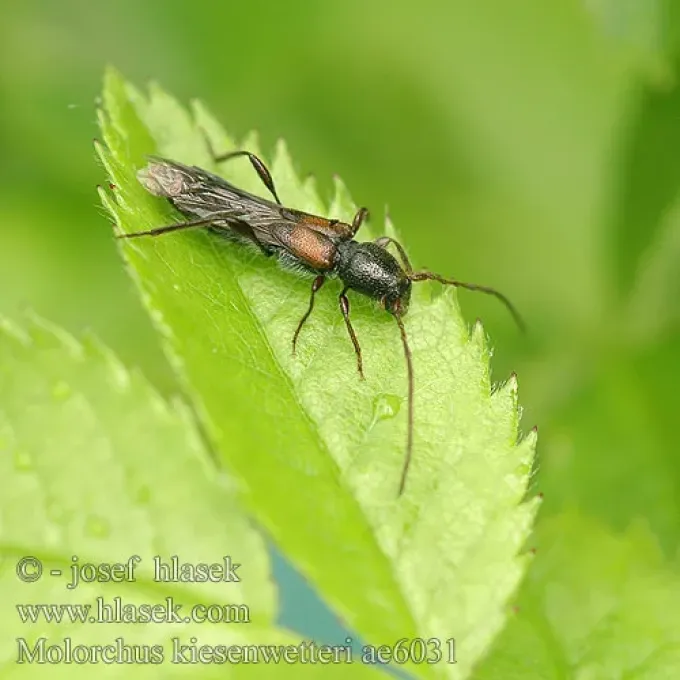
Description
How to identify
Glaphyra is a genus of insects belonging to the longhorn beetle family (Cerambycidae). These beetles are typically small to medium-sized and possess the characteristic long antennae for which the family is named.
Adult specimens generally have an elongated body, often featuring a dark coloration, sometimes with metallic sheens or distinct markings on the elytra. They are morphologically specialized for life in forested or woody environments.
The larvae of Glaphyra are typical cerambycid larvae: legless, fleshy, and pale-colored. They are equipped with robust, sclerotized mouthparts designed specifically for boring through woody tissues.
The lifecycle is strictly tied to the condition of the host plant, often preferring weakened or dying deciduous trees. Larvae progress through several instars, gradually increasing in size and penetrating deeper into the wood.
Identification often requires entomological experience due to the high similarity among many longhorn beetle species. Professionals often rely on the specific shape and size of the emergence holes created by adult beetles.
What it damages
Glaphyra primarily attacks various species of deciduous trees and shrubs. It is commonly found in managed forests, parks, and fruit orchards where it targets weakened or compromised tree specimens.
The primary damage is caused by the larvae, which tunnel underneath the bark and into the xylem and phloem layers. This tunneling disrupts the plant's vascular system, hindering the transport of water and nutrients.
In fruit orchards, the presence of these pests can severely stress trees, making them more susceptible to diseases and further pest colonization. Significant infestations often lead to the dieback of major branches.
From a forestry perspective, this pest contributes to the degradation of timber quality. By boring galleries into the trunk, they create entry points for secondary fungal infections and structural weaknesses.
While the adult stage may consume small amounts of plant tissue, the larval stage is responsible for the majority of the structural damage, which can lead to the eventual death of the affected branch or tree.
When it appears
Adult activity typically commences during the late spring and summer months, coinciding with the rise in ambient temperature and the active growing period of the host trees.
Females lay eggs in bark crevices or small notches made in the bark of trunks and branches. The selection of the oviposition site is crucial for the survival of the neonate larvae upon hatching.
After hatching, the larvae immediately begin boring into the bark to reach the nutrient-rich cambium layer. Depending on the species and environmental conditions, the larval stage may last from one to several years.
Hibernation occurs within the woody tissue, where the larvae are protected from freezing temperatures and avian predators. This internal lifestyle makes them extremely resilient to environmental fluctuations.
The emergence of the next generation of adults usually takes place after a pupation phase inside the wood. Emergence is often synchronized with specific tree development stages to ensure mating success.
Signs of infestation
The most common sign of a Glaphyra infestation is the presence of frass (wood dust mixed with excrement) accumulating at the base of the tree or within bark crevices, indicating active tunneling.
Circular or oval emergence holes on the trunk or branches are clear indicators of past or present activity. In some species, these holes may be accompanied by sap flow or gum exudation in stone fruit trees.
Visually, the crown of the tree may show signs of stress, such as yellowing, wilting, or premature leaf drop on specific branches. This indicates that the internal vascular flow has been severely interrupted.
Structural weakness is another sign, with branches becoming brittle and prone to breaking during high winds. This is a consequence of the extensive galleries carved by the larvae inside the wood.
- Boreholes in the bark
- Frass accumulation near the trunk
- Wilting leaves on affected branches
- Bark necrosis near galleries
- Increased woodpecker activity on specific trees
Control measures
The cornerstone of Glaphyra control is maintaining tree vigor through proper horticultural practices. Regular pruning of dead or infested wood is essential to remove larvae before they emerge as adults.
Ensuring adequate irrigation and fertilization helps the tree defend itself. All wounds, pruning cuts, and damaged areas should be sealed with horticultural sealants to prevent oviposition by females.
Chemical control involves applying systemic or contact insecticides to the trunk and branches during the known adult flight period. This creates a barrier that prevents egg-laying and kills adults on contact.
In cases of severe infestation, the physical removal and destruction (preferably burning) of infested wood is the only effective solution to prevent the pest from spreading to neighboring healthy trees.
Biological control methods involve encouraging natural predators. Woodpeckers are particularly effective at identifying and extracting larvae from beneath the bark, significantly reducing the pest population naturally.
Taxonomy
- Latin name
- Glaphyra
- Order
- Coleoptera (beetles)
- Family
- Glaphyridae
- EPPO code
- GLAPSP
Discussion
No discussions yet — be the first.