
Chilean weevil
Geniocremnus chiliensis
Description
How to identify
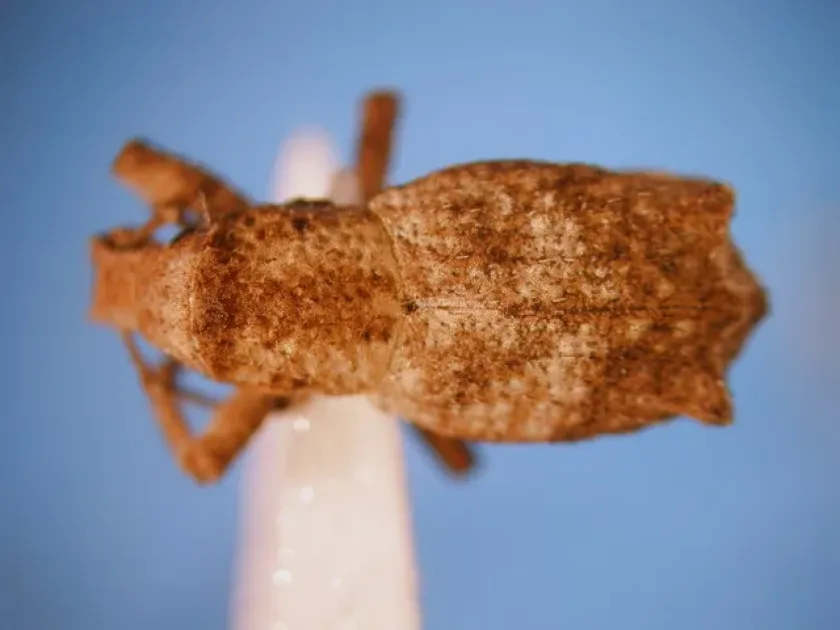
The Chilean weevil (Geniocremnus chiliensis) is a significant agricultural pest belonging to the order Coleoptera and the family Curculionidae. It is characterized by a robust body and a typical snout, which is the hallmark of the weevil family.
Adult insects are generally small and possess cryptic coloration that allows them to blend seamlessly with the bark of host trees or the soil, making them difficult to spot during routine inspections.
The life cycle consists of four stages: egg, larva, pupa, and adult. The larval stage is primarily subterranean, where it develops in the root zone, making detection very challenging for farm managers.
Reproduction typically peaks during spring and summer months. Females lay eggs near host plants, ensuring that larvae can easily access food sources immediately upon hatching to begin their development.
This species shows remarkable adaptability to various environmental conditions, which contributes to its success as a pest in different agricultural regions and climates.
What it damages
The Chilean weevil is a polyphagous pest capable of damaging a wide variety of crops. It is known to impact fruit trees, vineyards, and various berry-producing shrubs used in commercial horticulture.
Adult weevils feed on buds, young leaves, and flower parts. This feeding behavior causes significant leaf deformity and reduces the photosynthetic capacity of the plants, ultimately hindering growth.
Larval stages are particularly destructive to the root system. By feeding on roots, they interfere with the plant's ability to uptake water and essential minerals, leading to overall plant stress.
In cases of heavy infestation, larvae can cause the death of young seedlings or weaken older plants to the point where they become susceptible to secondary infections or environmental stress.
Economic impact includes direct crop loss due to damaged fruits and flowers, as well as long-term loss of orchard productivity as trees lose their vigor and succumb to repeated attacks.
Signs of infestation
The most distinctive sign of adult feeding is the appearance of characteristic notched or serrated edges on leaves. This specific feeding pattern is a classic indicator of weevil activity in the field.
Massive flower drop or bud damage during the reproductive phase is another major warning sign. The insects often feed on flower stalks, causing blooms to fail before pollination can occur.
Plants showing symptoms of water stress, such as wilting or yellowing leaves, despite sufficient soil moisture, may be suffering from root damage caused by larvae hidden beneath the soil surface.
During soil examination near the base of the plant, one might find larvae characterized by their creamy color, curved posture, and hardened, dark-colored head capsules.
Because adults are primarily nocturnal, they are seldom seen during daylight hours. Nighttime surveys using a flashlight are the most effective method for confirming the presence of active adults.
Control measures
Managing the Chilean weevil requires an integrated approach. Cultivating the soil in orchards and field margins helps disrupt the life cycle by exposing larvae and pupae to predators and environmental stress.
Biological control utilizing entomopathogenic nematodes has proven effective against larval stages in the soil, offering a non-toxic alternative to chemical treatments for soil-borne pests.
Chemical control programs rely on the application of insecticides during the peak activity of adult weevils. Careful timing is essential to ensure efficacy while minimizing harm to beneficial pollinating insects.
Mechanical barriers, such as sticky bands applied to the trunks of fruit trees, can successfully trap migrating adults and prevent them from reaching the foliage to feed or lay eggs.
Maintaining strong crop health through appropriate irrigation and nutrition, combined with rigorous monitoring, remains the most sustainable strategy to minimize the long-term impact of this pest.
Taxonomy
- Latin name
- Geniocremnus chiliensis
- Order
- Coleoptera (beetles)
- Family
- Curculionidae
- EPPO code
- MGLMCH
Discussion
No discussions yet — be the first.