
Geniocremnus
Geniocremnus
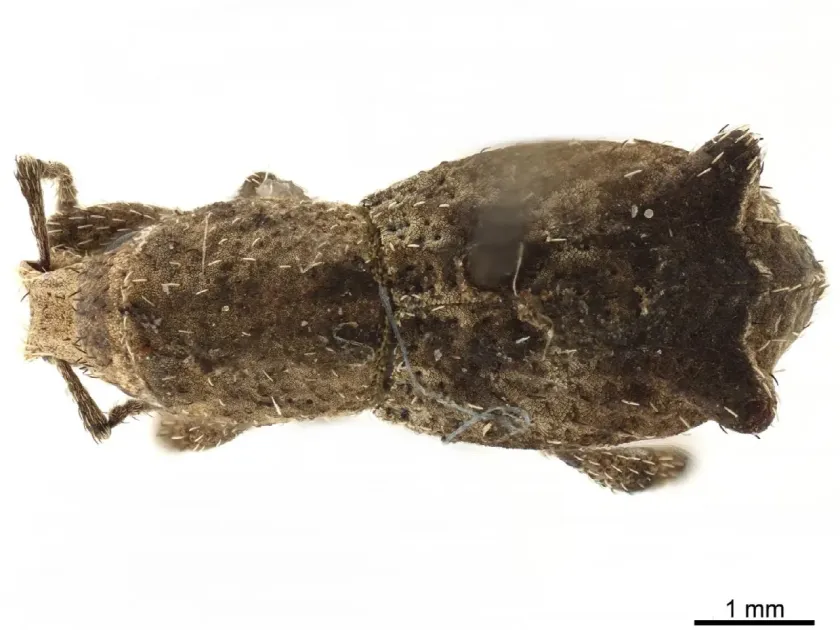
Description
How to identify
Geniocremnus is a genus of beetles belonging to the Curculionidae family, commonly known as weevils. These insects are easily recognized by their elongated snouts, which are used to penetrate plant tissues for feeding and oviposition.
Adult beetles possess an oval-shaped body often covered with fine scales. This morphology provides excellent camouflage, allowing them to blend into the soil or plant foliage, making manual monitoring difficult.
The larval stage is typically characterized by legless, creamy-white, fleshy grubs with a dark-colored head capsule. They live a cryptic lifestyle, primarily inhabiting the soil or tunneling within the lower parts of plant stems.
Adults are nocturnal creatures, which means they remain hidden during the daylight hours near the base of plants or in deep soil cracks, emerging to feed only at night.
Identifying Geniocremnus species often requires detailed examination of morphological structures. Due to high similarity between species in this genus, accurate classification is usually a task for professional entomologists.
What it damages
Geniocremnus species are agricultural pests that attack a wide variety of field crops. Their feeding habits cause significant disruption to the development of plants during the seedling stage.
Adult beetles feed on the aerial parts of plants, leaving distinct notches on the edges of leaves. Severe adult feeding can result in reduced photosynthesis and stunted growth of young crops.
The damage caused by larvae is even more critical, as they feed on the root systems. This destruction disrupts the plant's ability to absorb water and essential nutrients from the soil.
Root damage leads to weakened plants that are more susceptible to secondary fungal infections and drought stress, frequently resulting in wilting, lodging, and reduced crop stand density.
Under heavy infestation conditions, cumulative damage by both adults and larvae can lead to substantial yield losses, significantly impacting the economic return of the farming season.
When it appears
The life cycle of Geniocremnus is synchronized with seasonal temperature changes. Adults emerge from their overwintering sites in the soil as soon as the ground warms up in early spring.
Spring and early summer are the periods of mating and egg-laying. The proximity of suitable host plants is critical during this phase to ensure that larvae find food immediately upon hatching.
The larval development takes place throughout the summer. During this time, they remain in the root zone, growing in size and causing progressive damage to the underground parts of the plants.
As temperatures drop in autumn, adults migrate into the deeper soil layers or dense crop debris to enter diapause. This enables them to survive the cold winter months until the next season begins.
Monitoring the insect's activity based on thermal accumulation models is a common practice for agronomists to determine the most effective timing for chemical applications.
Signs of infestation
The most visible sign of an adult Geniocremnus infestation is the presence of serrated or ragged leaf margins. This pattern is caused by the beetles feeding along the edges of the foliage.
Yellowing, wilting, or patches of stunted plants within a field often point to root destruction by larvae. Plants in heavily infested spots can be easily pulled from the ground due to the lack of roots.
Detection can be enhanced by conducting night inspections with flashlights, as adults are active and feeding during this time. Soil sampling near the root zone can also confirm the presence of grubs.
Spotty crop emergence and bare patches are common indicators of larval hotspots. Mapping these areas helps farmers to identify potential infestation zones for targeted management.
Carefully examining the root cortex of damaged plants reveals tunnels and feeding scars, which are diagnostic indicators of larval activity associated with this genus of weevils.
Control measures
Effective management begins with proper crop rotation. By avoiding the cultivation of susceptible host plants in the same area for several years, farmers can disrupt the pest's life cycle.
Mechanical control, such as deep autumn tillage, is highly effective for reducing the overwintering population. This practice exposes larvae and pupae to predators and adverse weather conditions.
Chemical control usually involves seed treatments with systemic insecticides, which provide a protective barrier for the young plant during the most vulnerable germination phase.
- Utilizing long-term crop rotation schedules.
- Applying insecticidal seed coatings.
- Monitoring adult population levels with traps.
- Managing weed hosts surrounding the main crop fields.
Enhancing plant vigor through proper fertilization and irrigation helps the crops compensate for minor root damage, improving their overall resilience against pest-induced stress.
Taxonomy
- Latin name
- Geniocremnus
- Order
- Coleoptera (beetles)
- Family
- Curculionidae
- EPPO code
- GENISP
Discussion
No discussions yet — be the first.