
Gatesclarkeana
Gatesclarkeana
Description
How to identify
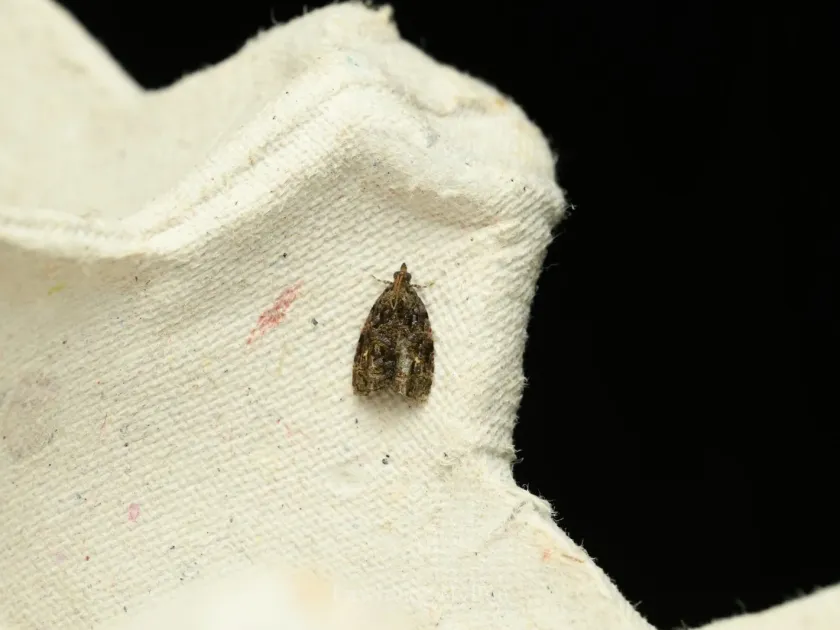
Gatesclarkeana is a genus belonging to the Tortricidae family within the order Lepidoptera. These moths typically have a wingspan of 15–18 mm and possess camouflaged forewings, allowing them to blend perfectly with tree bark, making them difficult to spot during daylight hours.
The larvae are mobile and possess well-developed prolegs. They generally appear grayish or yellowish-green with a darker head capsule, which serves as a vital diagnostic feature for field identification when examining infested buds or foliage.
The life cycle is closely synchronized with the phenology of fruit trees. They typically overwinter as late-instar larvae, hiding in bark crevices or under bud scales, emerging in early spring to complete their development and pupation.
Adult moths are nocturnal or crepuscular, meaning they are most active at twilight. After mating, females lay eggs on the surface of young leaves or fruit buds, marking the start of the next generation of larvae that will immediately begin feeding on host tissues.
Agronomists monitor these pests using light traps or pheromone-based lures. These tools are essential for determining population density and predicting the optimal timing for protective measures to prevent significant orchard damage.
What it damages
The larvae are the destructive stage, feeding primarily on the generative parts of fruit trees. They penetrate and consume the interiors of buds, blossoms, and young fruitlets, which can lead to a drastic reduction in total yield even before the fruit fully sets.
Evidence of infestation includes eaten petals, bored tunnels inside the receptacles, and the premature shedding of fruitlets. When populations reach high levels, larvae may also move to young leaves, rolling them into protective tubes and feeding within, which disrupts normal photosynthesis.
Secondary damage occurs when the entry points created by larvae become sites for fungal and bacterial infections. This leads to blossom wilt and can weaken the tree's overall vigor, causing long-term health issues for affected branches.
The severity of the damage is highly dependent on spring weather conditions. A warm, prolonged spring accelerates larval development, making them more aggressive and capable of destroying multiple buds in a short period, which is particularly devastating in commercial orchards.
If left unmanaged, the economic impact is significant. Damage often manifests as deformed fruit that is unfit for market, combined with reduced overall tree productivity, necessitating strict adherence to integrated pest management protocols.
Control measures
Successful management of Gatesclarkeana requires an integrated strategy combining physical, biological, and chemical interventions. Early spring sprays with contact-stomach insecticides are critical when larvae emerge from wintering sites to prevent the initial population spike.
Biological control involves utilizing products containing Bacillus thuringiensis. This method is highly effective against young larvae while remaining harmless to beneficial pollinators and natural predators, maintaining the ecological balance within the orchard environment.
Cultural practices are a cornerstone of control, including routine pruning of infested twigs, cleaning old bark from trunks, and ensuring proper orchard sanitation. Removing debris where pupae might reside significantly lowers the pressure for the following season.
Mating disruption using pheromone dispensers is a modern, eco-friendly approach. By saturating the orchard with female sex pheromones, the ability of males to locate mates is severely limited, effectively reducing the egg-laying rate without the use of broad-spectrum chemicals.
When chemical treatment is required, it is essential to rotate between different insecticide classes to prevent the development of resistance. Applications are most effective during the "pink bud" stage, targeting larvae before they become deeply embedded in the plant tissues.
Taxonomy
- Latin name
- Gatesclarkeana
- Order
- Lepidoptera (butterflies)
- Family
- Tortricidae
- EPPO code
- GATESP
Discussion
No discussions yet — be the first.