
Fredericella
Fredericella
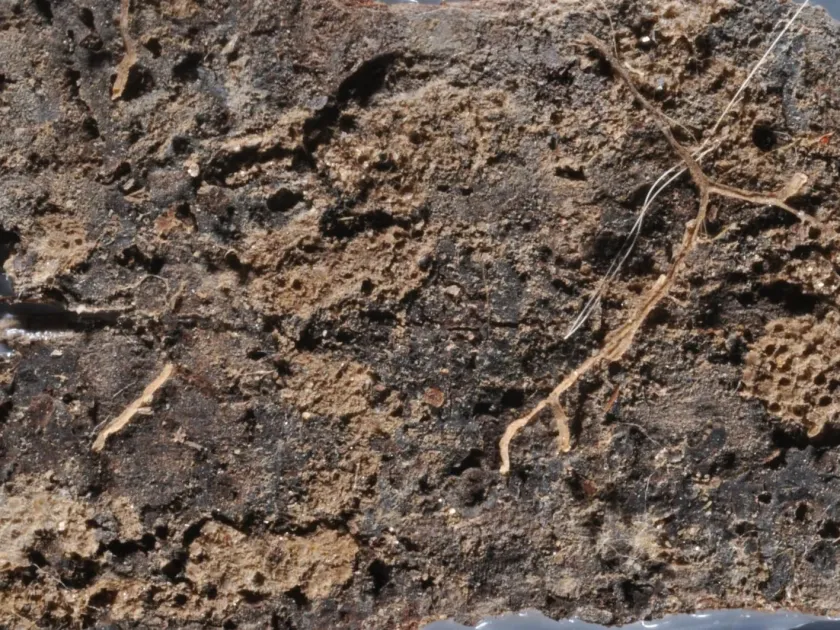
Description
How to identify
Fredericella belongs to the phylum Bryozoa, class Phylactolaemata. These are colonial organisms often mistaken for mold or a peculiar biofilm.
Colonies appear as branching, translucent or brownish tree-like tubes. They attach themselves to submerged surfaces and can form dense, intertwined structures.
Their bodies are protected by a chitinous sheath, making them resistant to physical disturbances. Unlike insects, they are filter feeders, but their presence is critical for closed-loop systems.
In natural habitats, they prefer slow-moving or stagnant water. However, when introduced into artificial water systems or hydroponic installations, they become dangerous pests.
Reproduction occurs through both sexual means and budding, allowing them to rapidly colonize new areas in favorable conditions with high organic content.
What it damages
This pest primarily affects plants grown in hydroponic systems, aquaponics, and recirculating aquaculture systems (RAS).
Colonies actively inhabit plant roots, penetrating hard-to-reach areas between root hairs and absorption zones.
They block oxygen access to the root system, triggering secondary infections such as root rot and fungal diseases.
Furthermore, they create mechanical resistance to nutrient solution flow, disrupting normal crop nutrition and slowing growth.
During mass outbreaks, they can completely clog drainage ports and system filters, leading to total crop failure in greenhouse complexes.
When it appears
Colony activity depends directly on water temperature. The optimal range for rapid development is between 18–25 degrees Celsius.
In hydroponic systems, Fredericella can appear year-round provided there is a stable temperature regime and a high concentration of nutrients.
The largest population spikes occur during the spring-summer period, as natural lighting triggers the growth of companion microalgae which these organisms feed on.
Water temperatures below 10 degrees Celsius slow their metabolism but do not kill the colonies, allowing them to overwinter as statoblasts (dormant spores).
The appearance of colonies often coincides with periods of stagnant water in technical components, where optimal attachment zones are formed.
Signs of infestation
The first sign of infestation is the appearance of a slimy or brownish coating on the roots that cannot be washed off by simple rinsing.
When examined with a magnifying glass, specific branching tubes resembling miniature corals or brown spider-web-like layers are visible.
Plants begin to show signs of micronutrient deficiency, as bryozoan colonies absorb a portion of the nutrients from the solution.
Leaves start to yellow rapidly, beginning from the lower tiers, due to root system suppression and impaired gas exchange in the rhizosphere.
A noticeable decrease in the flow capacity of water supply lines indicates a need for immediate inspection of all hydroponic system components.
Control measures
The primary method of control is regular system disinfection using specialized compounds based on hydrogen peroxide or ozone.
It is essential to maintain a full cleaning protocol during every nutrient solution change, removing all visible deposits from surfaces.
- Utilizing ultraviolet (UV) sterilizers in the water supply loop.
- Mechanical root cleaning using mild antiseptic solutions.
- Monitoring the purity of incoming technical water supplies.
- Timely replacement of filtration components.
Chemical treatment of plants during the growing season is difficult due to root sensitivity to harsh compounds, making prevention the top priority.
In cases of severe infestation, disposal of contaminated plant material and complete sterilization of all system elements are recommended.
Taxonomy
- Latin name
- Fredericella
- Family
- Fredericellidae
- EPPO code
- FREDSP
Discussion
No discussions yet — be the first.