
Puffin
Fratercula
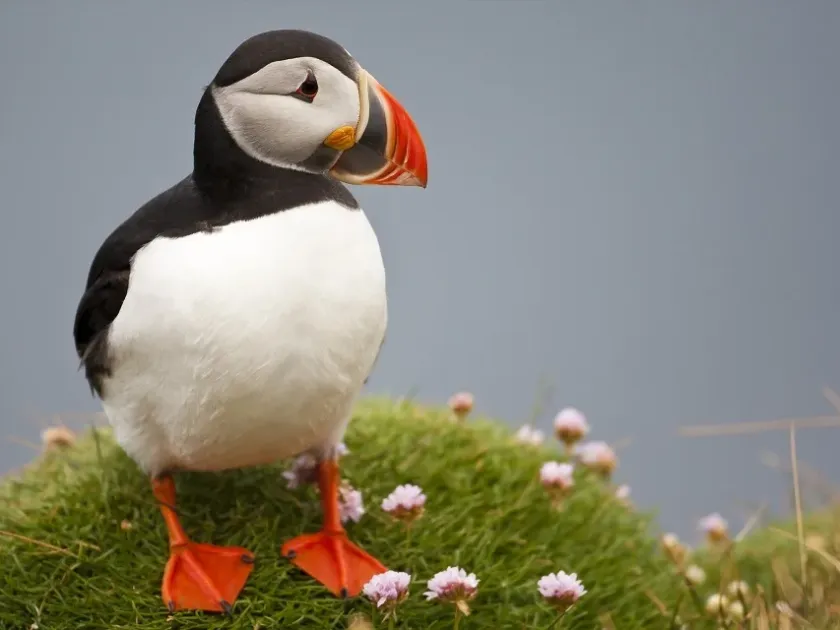
Description
How to identify
It is crucial to clarify that the genus Fratercula, commonly known as the puffin, refers to a group of seabirds and is not an agricultural pest.
Puffins belong to the family Alcidae (auks) within the order Charadriiformes, which confirms their status as avian species rather than plant-damaging insects or mites.
These birds are physically characterized by their distinctive colorful bills and are adapted for a marine life cycle, predominantly nesting on sea cliffs.
In agronomic science, there is no classification where puffins are considered pests, as they inhabit marine environments far removed from arable land.
The misidentification of this genus as a pest often stems from taxonomic confusion or erroneous indexing in databases that do not distinguish between wildlife and agricultural threats.
What it damages
Puffins (Fratercula) do not damage any agricultural crops because they are strictly piscivorous, meaning their diet consists entirely of fish and small marine crustaceans.
They do not feed on leaves, roots, stems, or fruits of any cultivated plant species, rendering them harmless to farming operations.
No agricultural damage has ever been attributed to these birds, as their habitat requirements do not overlap with human food production systems.
There is no economic impact or yield loss associated with the presence of puffins in any part of the world.
Furthermore, puffins occupy a niche in the marine food web, which is entirely distinct from the terrestrial ecosystems where agricultural crops are grown.
Control measures
No pest control, chemical intervention, or protective measures are necessary or recommended regarding the Fratercula genus.
Implementing any form of pest management against these birds would be biologically irrelevant and environmentally irresponsible.
Puffin populations are subject to conservation efforts in many countries, and they should be protected as vital members of oceanic biodiversity.
Agricultural professionals should rely on verified pest management guidelines that correctly identify true crop threats such as insects, fungi, or weeds.
By properly identifying species, agronomists can ensure that resources are directed toward managing real agricultural risks rather than harmless wildlife.
Taxonomy
- Latin name
- Fratercula
- Family
- Alcidae
- EPPO code
- FRATSP
Discussion
No discussions yet — be the first.