
Ficopomatus enigmaticus
Ficopomatus enigmaticus
Description
How to identify
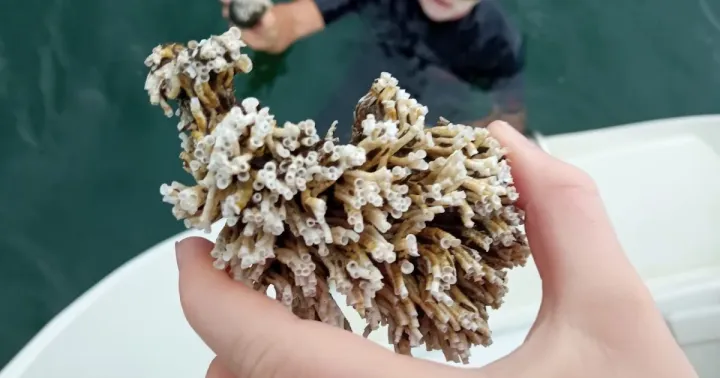
Ficopomatus enigmaticus is a marine polychaete worm belonging to the Serpulidae family and the Sabellida order, recognized for building dense colonies of calcareous tubes.
The individuals resemble small worms living inside hard calcium dwellings that attach firmly to solid substrates such as concrete, metal, or plastic.
Colonies of Ficopomatus can form massive, intricate reef-like structures that reach significant sizes, covering the entire surface of an object.
This is an invasive species that has spread globally due to maritime shipping and its ability to adapt to varying water salinity levels.
Identification is difficult because the worms live hidden inside their lime tubes, which often fuse into a solid, impenetrable monolithic structure.
What it damages
This object poses a significant threat primarily to hydraulic structures used in the agricultural sector of coastal regions.
Ficopomatus actively colonizes irrigation pipes, water intake channels, and cooling circuits of agricultural pumping stations.
Extensive biofouling leads to a sharp reduction in the internal diameter of pipes, creating critical obstacles for water flow.
Reduced throughput capacity in channels and pipes causes overheating of pump equipment and disrupts the irrigation schedule for crops.
Additionally, calcareous deposits destroy protective anti-corrosion coatings on structures, accelerating the wear and corrosion of metal components.
When it appears
The organism's activity is directly dependent on water temperature, as it prefers warm or temperate climatic zones.
Reproduction and the period of larval settlement usually occur in the spring and summer when water temperatures reach optimal levels.
During this season, the risk of clogging new infrastructure areas is at its highest, as larvae actively seek surfaces for colonization.
In the autumn and winter periods, growth rates slow down, but existing colonies maintain their structural integrity.
Continuous monitoring of water supply systems during the warm season is essential to prevent critical blockages.
Signs of infestation
The first sign of infestation is an abnormal drop in water pressure in irrigation systems with no apparent causes in the pump equipment.
A visual inspection of water intake points reveals a characteristic white or grayish lime coating with a bumpy, calcified texture.
The presence of specific noises in pipes often indicates the creation of turbulent flows due to irregularities caused by worm colonies.
Preventive inspection of pipe joints reveals hard, difficult-to-remove formations that crumble under mechanical impact.
Accelerated corrosion of metal connecting elements is also an indirect but significant signal of this pest's presence.
Control measures
The most effective method is mechanical cleaning of surfaces using high-pressure hydro-blasting systems during scheduled system shutdowns.
As a preventive measure, the use of special anti-fouling coatings containing components that deter larval settlement is recommended.
The chemical method, specifically water chlorination, is effective in suppressing worm development but requires strict adherence to environmental regulations.
- Regular inspection of coarse filters.
- Installation of ultrasonic pipe cleaning systems.
- Use of inert materials to reduce substrate adhesion.
A comprehensive approach combining physical and chemical methods is mandatory for large-scale agricultural facilities located in estuaries.
Taxonomy
- Latin name
- Ficopomatus enigmaticus
- Family
- Serpulidae
- EPPO code
- FICPEN
Discussion
No discussions yet — be the first.