
Ficopomatus
Ficopomatus
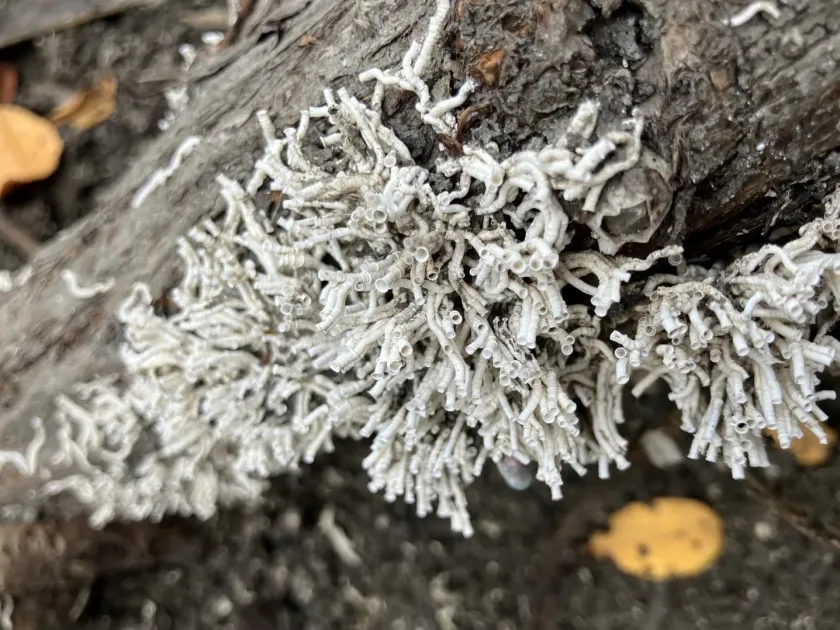
Description
How to identify
Ficopomatus (most notably Ficopomatus enigmaticus) is a genus of sedentary polychaete worms belonging to the Serpulidae family. They are well-known for constructing hard, calcareous tubes on submerged surfaces.
These organisms are colonial, often forming dense, reef-like structures. The tubes they build are rigid and intertwined, covering substantial surface areas of piers, hulls, and aquaculture equipment.
The biology of these worms is characterized by an impressive tolerance to salinity fluctuations. This allows them to thrive in estuaries, coastal lagoons, and harbor waters, making them highly successful invasive species in many global ports.
The life cycle begins with the release of gametes into the water column, leading to the development of planktonic larvae. After a period of dispersal, these larvae settle on hard substrates and begin calcifying their protective tubes.
Temperature significantly influences the reproductive rate of these worms. Higher water temperatures typically accelerate the formation of massive colonies, leading to rapid biofouling of any available man-made structures.
What it damages
In aquaculture, Ficopomatus is a significant pest that interferes with production infrastructure. Its habit of colonizing submerged equipment poses severe operational challenges for fish and shellfish farmers.
The primary damage is caused by extensive biofouling, which blocks water intake pipes and restricts the water flow in fish cages. This reduction in circulation negatively impacts water quality, especially oxygen levels.
The sheer weight of the accumulated calcareous tubes places significant stress on infrastructure. This can result in sagging nets, structural failure of floating pens, and damage to various submerged pumping and filtration systems.
Biofouling by these worms creates surfaces that trap organic matter and debris. This creates a breeding ground for harmful bacteria and pathogens, which can lead to disease outbreaks in cultured populations.
Economic losses are compounded by the high costs associated with labor-intensive cleaning processes. Regular maintenance is required to prevent the collapse of equipment and to ensure optimal growing conditions.
Control measures
Preventing settlement is the most effective approach. The application of antifouling paints and coatings containing biocides is a standard practice to discourage larvae from attaching to submerged surfaces.
Mechanical removal is the most common management technique. This involves the use of specialized scrubbing tools, high-pressure water jets, or mechanical scrapers to remove the hardened colonies from the infrastructure.
In controlled aquaculture environments, manipulation of water salinity or periodic drying of equipment can be used to kill the worms, as they generally cannot survive extreme environmental shifts.
Effective management also requires rigorous monitoring of the water environment. Identifying periods of high larval settlement allows managers to schedule maintenance precisely before the worms can cause significant structural damage.
- Use of biocidal antifouling coatings.
- Periodic mechanical cleaning of cages.
- Water salinity management.
- Regular structural integrity inspections.
Taxonomy
- Latin name
- Ficopomatus
- Family
- Serpulidae
- EPPO code
- FICPSP
Discussion
No discussions yet — be the first.