
Fallenia fasciata
Fallenia fasciata
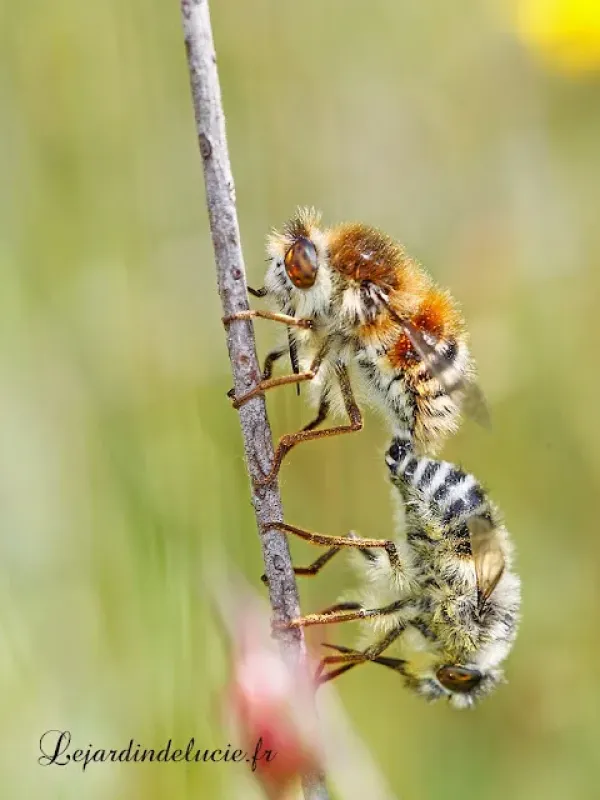
Description
How to identify
Fallenia fasciata belongs to the family Asilidae, commonly known as robber flies, which are recognized predators within the Diptera order.
The adult insect is characterized by a sleek, elongated body with distinct banding on its wings, which is a key identification feature.
They possess a rigid, sharp proboscis used to pierce the exoskeleton of their prey, allowing them to inject digestive enzymes.
The larval stages develop in the soil, feeding on organic matter or small soil-dwelling invertebrates rather than plant tissues.
Adults are highly mobile and rely on keen eyesight to capture prey mid-flight, making them efficient hunters in agricultural environments.
What it damages
As a predatory species, Fallenia fasciata does not cause direct damage to agricultural crops through feeding on plant tissues.
Its impact is indirect; by preying on other insects, it can influence the populations of both agricultural pests and beneficial pollinators.
The larvae are typically harmless to root systems, as their diet consists primarily of decaying organic matter and tiny ground organisms.
There is no economic damage threshold for this species, as they are generally considered ecologically neutral to positive in crop fields.
Farmers rarely encounter problems associated with this fly, as it does not target leaves, stems, fruits, or flowers.
When it appears
Adult Fallenia fasciata are most active during the peak summer months, thriving in sunny and warm climates.
Their life cycle involves a complete metamorphosis, including egg, larval, pupal, and adult stages, spanning several months.
Larvae overwinter deep in the soil profile, ensuring protection from freezing temperatures during colder months.
The emergence of adults is usually synchronized with the increase of other insect activities to ensure a steady supply of prey.
Warm, dry weather promotes higher activity levels, making them more visible in meadows and near field borders.
Signs of infestation
Detection is primarily through visual observation of the adults flying or perching on tall grasses or field margins.
Unlike phytophagous insects, they leave no holes, lesions, or sap-sucking marks on the host plants.
The sudden absence of smaller insect populations may indicate the presence of predatory species like Fallenia fasciata.
Observation of their hunting behavior—rapid take-offs and aerial strikes—is the most reliable sign of their presence.
There are no diagnostic symptoms of damage to crops that can be attributed to this species.
Control measures
No specific control measures are necessary for Fallenia fasciata, as it is not considered a crop-damaging pest.
Integrated Pest Management (IPM) practices recommend avoiding broad-spectrum insecticides that could harm these predatory flies.
Maintaining field margins and avoiding excessive soil tillage can help stabilize the population of natural predators.
Preserving natural habitats around agricultural plots supports a balanced ecosystem that keeps insect populations in check.
- Avoid unnecessary pesticide applications.
- Protect natural soil habitats.
- Encourage biodiversity in field borders.
Taxonomy
- Latin name
- Fallenia fasciata
- Order
- Diptera (flies)
- Family
- Nemestrinidae
- EPPO code
- FALLFA
Discussion
No discussions yet — be the first.