
Eutyrhinus
Eutyrhinus
Description
How to identify
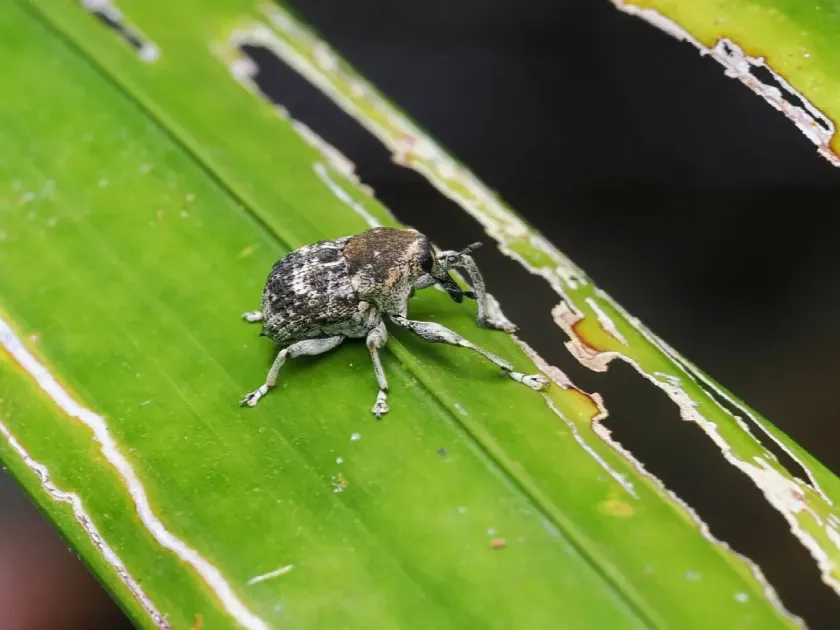
Eutyrhinus is a genus of weevils belonging to the Curculionidae family. Adult beetles typically feature a stout, heavily sclerotized body with dark, cryptic coloration, which allows them to blend in perfectly with tree bark and branches.
A defining feature of this genus is the prominent, well-developed rostrum (snout), which the adults use to feed and create small punctures for oviposition. The size of these beetles is moderate, typical for the Cryptorhynchinae subfamily.
Larvae are legless, C-shaped grubs, typically creamy-white in color. They possess a robust head capsule with powerful mandibles designed for boring through plant tissue and wood, making them effectively hidden within the host tree.
The morphology of the elytra and the structure of the pronotum are key features for identifying this genus. Because adults are primarily nocturnal or crepuscular, they are rarely seen during daylight hours without deliberate searching.
The life cycle involves complete metamorphosis: egg, larva, pupa, and adult. The larval stage is responsible for the most significant structural damage, as they develop deep within the cambium layer or heartwood of the host plant.
What it damages
Eutyrhinus species are recognized pests of various fruit trees, including mango, citrus, and several tropical ornamental species. In commercial orchards, infestations can lead to significant economic losses.
The primary damage is caused by the larvae, which bore galleries under the bark or into the wood of branches and trunks. This activity disrupts the transport of water and nutrients, leading to the weakening and eventual decline of the tree.
Adult beetles damage young shoots, buds, and fruits by chewing into them. These feeding wounds not only disfigure the produce but also create entry points for secondary pathogens, such as fungi and bacteria, which cause rot.
Chronic infestation results in the deformation of branches, canopy dieback, and reduced fruit yields. If a young tree is girdled by larval galleries, it may succumb to the infestation and die within a relatively short period.
The overall impact on the orchard manifests as stunted growth, yellowing leaves, and the progressive drying of skeletal branches, which significantly shortens the productive lifespan of the plantation.
Signs of infestation
One of the earliest indicators of an Eutyrhinus infestation is the presence of small holes in the bark, often accompanied by sap or gum exudation. This is caused by larvae boring into the tissue beneath.
During the spring, damaged buds may fail to open, or they may appear wilted. On young shoots, one can observe small, jagged feeding scars or pits left by adult weevils during their nocturnal activities.
Visual inspection of the trunk may reveal bark irregularities or slight swelling. Peeling back the bark in these areas will expose the winding galleries packed with larval frass, a diagnostic sign of their presence.
An indirect sign is the attraction of secondary pests or the appearance of necrosis and fungal infections at the damage sites. Infected trees often appear sickly or chlorotic compared to neighboring healthy trees.
Adult beetles can be detected during night surveys using flashlights or by checking monitoring traps installed on the tree trunks. Fallen fruit with characteristic puncture marks is also a clear sign of infestation.
Control measures
Effective management begins with strict agricultural practices, such as routine sanitary pruning. Removing and burning branches infested with larvae is critical to disrupting the pest's reproductive cycle and preventing spread.
Chemical control involves the application of systemic insecticides during the peak activity period of the adult beetles. Treatments are most effective when applied in the evening, coinciding with the beetle's active feeding hours.
Trunk painting with lime-based washes containing insecticides can act as a physical and chemical barrier, preventing females from laying eggs on the bark. This is a common practice for protecting young, vulnerable trees.
Maintaining optimal tree vigor through proper irrigation and balanced fertilization is essential. Healthy, well-nourished trees possess a higher natural resistance and are better equipped to recover from pest attacks.
Biological control strategies include the encouragement of natural predators, such as insectivorous birds and parasitic wasps. Monitoring population levels using pheromone traps is highly recommended to time control efforts effectively.
Taxonomy
- Latin name
- Eutyrhinus
- Order
- Coleoptera (beetles)
- Family
- Curculionidae
- EPPO code
- EUTUSP
Discussion
No discussions yet — be the first.