
Euthyrrhapha
Euthyrrhapha
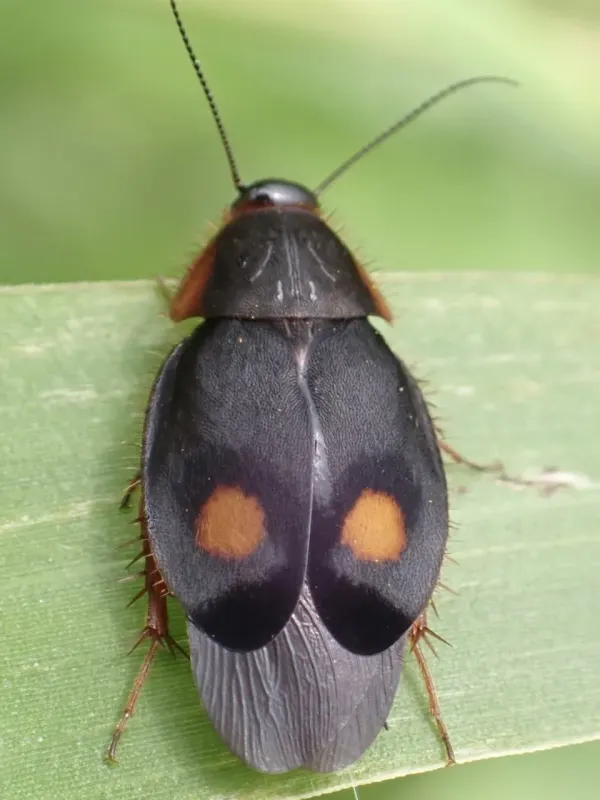
Description
How to identify
Euthyrrhapha is a genus of insects belonging to the family Corydiidae within the order Blattodea. Unlike common household cockroaches, members of this genus often exhibit specialized adaptations for living within forest litter and topsoil layers.
The adults are characterized by a robust, somewhat flattened body with a glossy appearance, often featuring distinct patterns on the pronotum. These markings serve as camouflage within their natural habitats, which include damp, shaded environments with high organic content.
They possess a chewing mouthpart structure suited for consuming plant detritus and soft plant tissues. Their sensory antennae are highly developed, allowing them to navigate and locate food sources effectively even in low-light conditions.
The life cycle follows a paurometabolous pattern, consisting of egg, nymph, and adult stages. Females produce oothecae, which are robust, protective capsules that shield embryos from environmental stressors and desiccation.
These insects exhibit significant physiological tolerance to variations in temperature and humidity, enabling them to occupy diverse niches ranging from wild tropical ecosystems to suburban garden environments.
What it damages
As polyphagous insects, Euthyrrhapha species can feed on a wide variety of plant species, causing localized damage. They are particularly detrimental to young sprouts and seedlings in high-moisture agricultural or horticultural settings.
The damage manifests as uneven eating marks on lower leaves, stems, and the root collar of tender plants. This feeding activity frequently leads to the loss of plant vigor and makes the injured areas susceptible to fungal and bacterial pathogens.
In greenhouses and nursery environments, these pests can become a significant nuisance, moving between plants and damaging foliage. The cumulative effect of their presence is often evidenced by stunted growth or the total collapse of seedlings.
Beyond direct consumption, the role of Euthyrrhapha as a mechanical vector for disease is significant. By moving through soil and decaying matter, they transport spores and bacteria onto healthy plant tissues, exacerbating disease outbreaks.
Economic damage is most pronounced when population densities rise due to poor sanitation. In such scenarios, the combination of direct tissue destruction and secondary infection can lead to substantial losses in greenhouse production.
Control measures
Management of Euthyrrhapha populations begins with strict sanitation protocols. Removing leaf litter, organic debris, and standing water is essential to eliminate the harborages and food sources that these insects rely on.
Cultivation practices such as regular soil aeration and weeding disrupt the nymphs' ability to thrive. Ensuring that the greenhouse floor remains dry and clear of organic waste significantly reduces the suitability of the environment for the pest.
Biological control agents, particularly entomopathogenic fungi like Beauveria bassiana, have shown efficacy in suppressing cockroach-like pests. Integrating these biological solutions provides a sustainable way to manage populations without heavy pesticide use.
Chemical control should be employed only when monitoring reveals threshold-exceeding numbers. Contact insecticides applied to soil surfaces and suspected harborages can effectively reduce the adult and nymphal populations.
Implementing a monitoring program using sticky traps or bait stations is highly recommended for early detection. Tracking population trends allows growers to intervene precisely, ensuring effective control while minimizing impact on the surrounding environment.
Taxonomy
- Latin name
- Euthyrrhapha
- Family
- Polyphagidae
- EPPO code
- EUTPSP
Discussion
No discussions yet — be the first.