
Conifer spider mite
Eurytetranychus
Description
How to identify
The conifer spider mite (Eurytetranychus) belongs to the family Tetranychidae within the order Trombidiformes. These microscopic pests are rarely larger than 0.5 mm, making them nearly invisible to the naked eye during the initial stages of infestation.
Adult mites are typically brownish or yellowish in color, blending seamlessly with the bark and needles of the host plant. This cryptic coloration makes detection particularly challenging for gardeners until significant damage is already visible.
Their life cycle is highly dependent on ambient temperature and humidity. Eggs are deposited individually or in small clusters at the base of the needles, where they are well-protected from environmental stress.
Multiple generations can occur throughout the growing season. In hot, arid conditions, the mite population can explode within a few weeks, as the life cycle from egg to adult is significantly shortened by heat.
These pests overwinter primarily in the egg stage, attached to the needles or twigs. As soon as temperatures rise in the spring, the larvae emerge and begin feeding immediately.
What it damages
The conifer spider mite attacks a variety of coniferous species, including spruce, juniper, thuja, pine, and cypress. Both nursery stock and mature landscape trees are susceptible to infestation.
Damage is caused by the mites piercing the plant cells and extracting sap. This feeding process interferes with photosynthesis, causing the needles to lose their vitality and turning them into discolored, unhealthy foliage.
Stressed plants are further compromised and become more prone to secondary infections, such as fungal pathogens or bark beetles, which exploit the weakened state of the tree.
Severe infestations can lead to significant needle drop and a thinning of the canopy. The loss of foliage reduces the aesthetic value and can permanently alter the shape of the conifer.
If the infestation is left unmanaged for several seasons, the cumulative damage can lead to the death of the tree, particularly in young or newly transplanted conifers lacking established root systems.
Signs of infestation
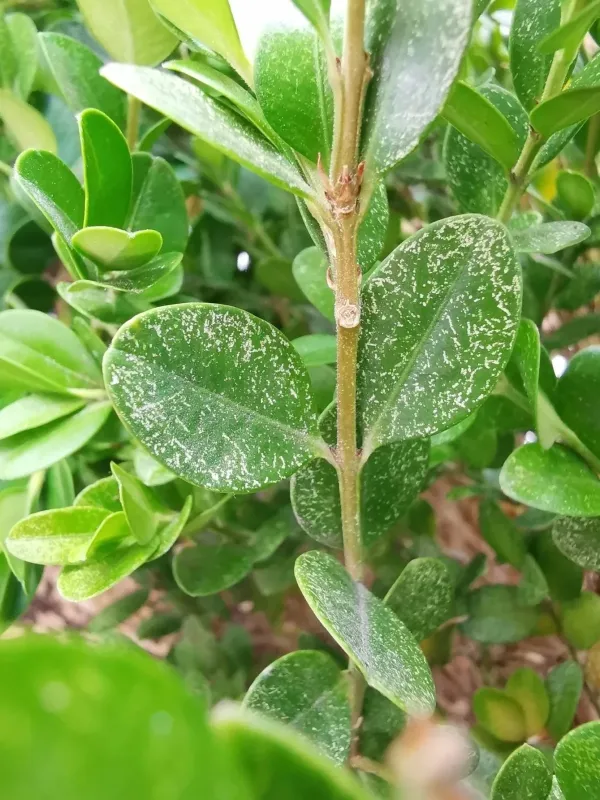
The first sign of infestation is the appearance of tiny yellow or whitish stippling on the needles. Over time, these spots merge, causing the entire needle to fade, turn bronze, or become grayish-brown.
Fine webbing is often present between the twigs or needles, although this species may produce less conspicuous webbing compared to other spider mite species common in gardens.
Needle drop is a significant indicator. If you shake a branch over a piece of white paper, the presence of tiny, slow-moving specks confirms a mite infestation, as these creatures will fall onto the paper.
General yellowing or "scorched" appearance of the foliage, especially on the inner portions of the branches, is a classic symptom of spider mite activity in conifers.
During the peak of the growing season, a general decline in plant vigor and the presence of shed skins on the needles are clear indicators that urgent control measures are required.
Control measures
Controlling the conifer spider mite requires the use of effective acaricides, as standard contact insecticides often fail to manage mite populations successfully. Choosing the right chemistry is essential.
Apply specialized acaricides that target both adults and nymphs. Products containing active ingredients such as abamectin, pyridaben, or spirodiclofen are generally recommended for reliable suppression.
- Increase humidity around the plant, as spider mites thrive in hot, dry conditions and dislike high moisture.
- Prune and destroy heavily infested branches to reduce the initial pest load significantly.
- Rotate different chemical classes to prevent the development of pesticide resistance in the mite population.
- Repeat applications at appropriate intervals to ensure that newly hatched mites are also controlled.
Consistent monitoring of your conifers throughout the spring and summer is the best preventive strategy. Healthy, well-watered trees are naturally more resilient to minor infestations.
Taxonomy
- Latin name
- Eurytetranychus
- Order
- Mites
- Family
- Tetranychidae
- EPPO code
- EURZSP
Discussion
No discussions yet — be the first.