
Eupterote hibisci
Eupterote hibisci
Description
How to identify
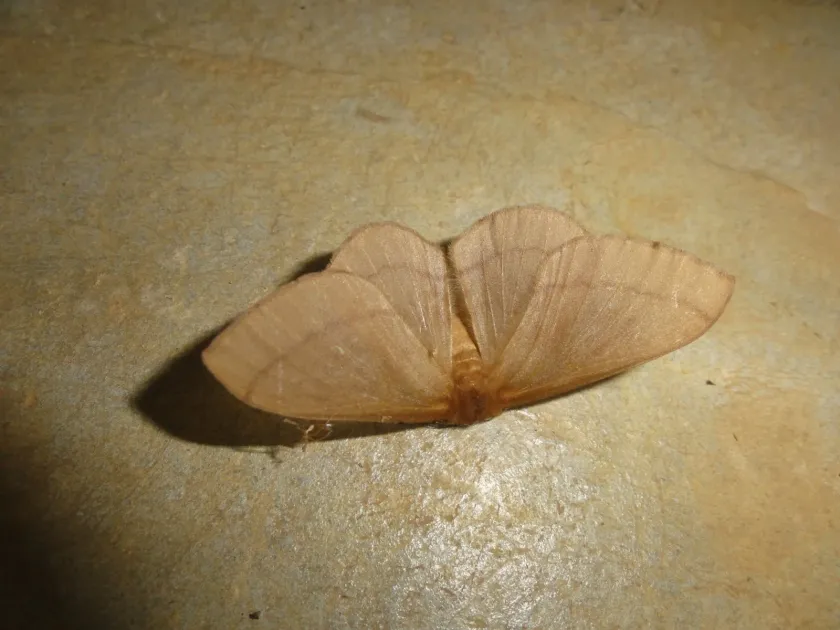
Eupterote hibisci is a species of moth belonging to the family Eupterotidae. These insects are nocturnal, and their larvae are known to cause significant damage to various ornamental and agricultural plants, particularly those in the mallow family.
The adult moths are relatively large, with light-colored, patterned wings that provide camouflage against tree bark. They are primarily active at night, which often makes their presence go unnoticed until larvae are visible.
The lifecycle consists of four stages: egg, larva (caterpillar), pupa, and adult. Females deposit eggs in clusters, often on the underside of leaves, which hatch into colonies of gregarious caterpillars.
The larvae are characterized by their hairiness and their tendency to feed in large groups. This social behavior is a key identification trait, as the mass of caterpillars can be easily observed on the branches or trunks of infested plants.
Proper identification is crucial for effective management. By recognizing the larvae in their early stages, growers can prevent the population from reaching epidemic proportions and causing widespread damage.
What it damages
The primary hosts of Eupterote hibisci include hibiscus plants, which suffer severely from defoliation. Furthermore, this pest can attack various fruit trees and woody shrubs if they are in close proximity to the infested site.
The damage is caused by the voracious feeding habits of the larvae. They consume leaf tissue rapidly, often skeletonizing leaves and leaving only the main veins, which severely hinders the plant's photosynthetic capacity.
Beyond the direct loss of foliage, the damage weakens the plant's overall physiology, making it susceptible to secondary infections from fungi and bacteria that enter through the damaged leaf tissues.
In ornamental settings, the loss of leaves leads to an unsightly appearance, ruining the aesthetic value of the plant. If the infestation persists over several seasons, the plant may suffer from stunted growth or branch dieback.
For fruit-bearing trees, a significant decrease in leaf area results in reduced fruit yield and poorer fruit quality due to the plant's inability to produce sufficient energy to support development.
Signs of infestation
Key signs of an infestation include the sudden appearance of skeletonized leaves. As the larvae grow larger, the rate of leaf consumption increases, leading to visible thinning of the plant canopy.
The presence of fecal pellets (frass) under the affected tree is a clear indicator that a colony is feeding overhead. This debris often accumulates at the base of the plant or on the surrounding soil.
Some larvae form silk nests on the branches where they congregate during the day to avoid sunlight. These nests are often visible upon close inspection and act as a refuge for the growing caterpillars.
Another sign is the presence of silk threads or cobweb-like structures around the foliage, which the larvae use to navigate and hold onto the branches while feeding on the leaves.
Abnormal leaf drop during the growing season is a common symptom. If the canopy appears sparse or unhealthy without an obvious environmental cause, an inspection for Eupterote hibisci is highly recommended.
Control measures
Manual removal is the most environmentally friendly method for controlling Eupterote hibisci in small gardens. Collecting caterpillars in the morning or evening when they are more active helps to significantly reduce their numbers.
Biological control using microbial insecticides, specifically those containing Bacillus thuringiensis, is highly effective against the larval stage. This approach minimizes the impact on beneficial insects and pollinators.
For larger infestations, chemical control using contact or stomach-poison insecticides may be necessary. It is essential to apply these treatments when larvae are young and most vulnerable to the active ingredients.
Cultural practices, such as maintaining healthy, well-fertilized plants and pruning infested branches, can significantly reduce the attractiveness of the plant to the pest and improve recovery.
Promoting natural predators, such as birds, ladybugs, and parasitic wasps, provides a long-term strategy for keeping the population of this moth species in check and preventing future outbreaks.
Taxonomy
- Latin name
- Eupterote hibisci
- Order
- Lepidoptera (butterflies)
- Family
- Eupterotidae
- EPPO code
- EUPTGE
Discussion
No discussions yet — be the first.