
Eupterotidae
Eupterote
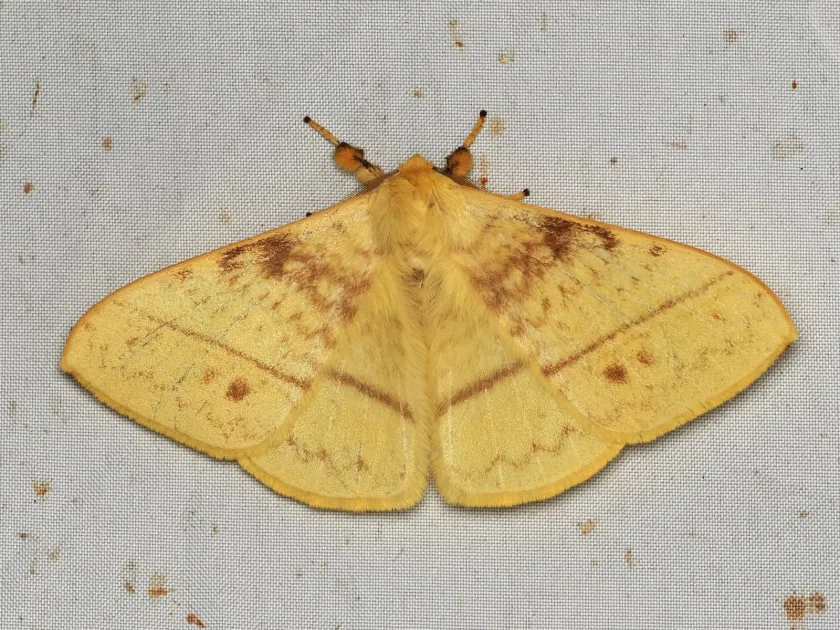
Description
How to identify
Eupterotidae are a family of moths belonging to the order Lepidoptera. Adult moths are generally large, with broad wings and robust, hairy bodies, often bearing a striking resemblance to lappet moths.
The larvae, or caterpillars, of this family are easily recognized by their dense coat of hairs, often arranged in prominent tufts. These hairs can be quite irritating and serve as an effective defense mechanism against various avian and insect predators.
The life cycle of Eupterotidae follows a complete metamorphosis pattern: egg, larva, pupa, and adult. Females typically deposit their eggs in large clusters on the underside of host leaves, ensuring that hatching larvae have immediate access to food.
As nocturnal creatures, the adults spend their daylight hours resting on trunks or within dense foliage, using cryptic coloration to mimic tree bark or withered leaves, which makes them highly elusive during the day.
Pupation occurs inside tough, silken cocoons. Depending on the specific species, these cocoons may be attached directly to host plant branches or hidden within the crevices of tree bark and leaf litter near the base of the plant.
What it damages
The larval stage is the most destructive phase, as the caterpillars possess voracious appetites. They feed extensively on a variety of woody plants, shrubs, and trees, causing significant agricultural and forest damage.
Major economic losses occur in tea plantations, fruit orchards, and shelterbelts. By stripping leaves down to the veins, the caterpillars drastically reduce the plant's photosynthetic capacity, leading to weakened growth and poor health.
During heavy outbreaks, entire branches can be completely defoliated. This severe stress leaves the plants susceptible to secondary infections, such as fungal pathogens or wood-boring insects, further endangering the crop.
In addition to foliage loss, caterpillars may damage young terminal shoots, causing stunted growth and irregular branch development, which negatively impacts future fruit yields and the overall commercial value of the trees.
The urticating hairs of many species pose a secondary problem, as they can cause skin irritation and allergic reactions in farm workers handling infested material, thereby complicating manual pest control efforts.
When it appears
The seasonal activity of Eupterotidae is heavily dependent on the local climate. In tropical regions, these moths may breed continuously throughout the year, with population peaks often coinciding with the wet seasons.
In temperate climates, the life cycle is strictly synchronized with the plant growing season. Larvae emerge with the spring budburst, immediately initiating their feeding cycle on fresh foliage and developing tissues.
Peak feeding activity usually occurs during the warm summer months. This period is critical for the larvae to accumulate the energy required for pupation, often resulting in rapid and visible damage to the canopy within a short timeframe.
Pupation generally takes place toward late summer or early autumn. Multiple generations per year are possible if environmental conditions remain favorable, making it difficult to predict the end of the risk window without constant monitoring.
Gardeners and farmers should monitor for adults in the evening hours using artificial lights, as this is the most reliable way to identify the onset of a new generation and prevent mass egg-laying.
Signs of infestation
The first sign of infestation is usually the presence of skeletonized or ragged leaves. Often, caterpillars can be found feeding in groups, creating distinct patches of defoliated foliage within the tree canopy.
Silken cocoons found along the branches or tucked into bark crevices are clear indicators that a population is well-established. These structures are often camouflaged with debris, making them harder to spot at first glance.
Accumulation of frass (caterpillar excrement) on the ground underneath the tree is a classic sign of high larval activity in the upper canopy. This granular debris is often the first visible symptom of a growing infestation.
Premature leaf yellowing or browning, coupled with drooping branches, indicates significant physiological stress caused by prolonged feeding pressure from the caterpillars.
Observing adult moths near porch lights or field lanterns at night serves as a warning that the infestation cycle has begun and that immediate inspection of the foliage is necessary to locate egg clusters.
Control measures
Mechanical control, such as hand-picking egg clusters and destroying larval nests, is highly recommended for smaller areas and early-stage infestations to prevent the spread of the population.
Biological control using Bacillus thuringiensis-based sprays is effective against young larvae. These treatments target the caterpillars specifically, providing an eco-friendly solution that protects beneficial insects and pollinators.
For large-scale commercial infestations, systemic insecticides may be necessary. Applications should be timed to coincide with the most vulnerable larval stages, usually in the evening when the insects are most active.
Good horticultural practices, including proper irrigation and fertilization, help trees maintain the vigor needed to recover from feeding damage and increase their natural resistance to pest attacks.
- Regular sanitation by pruning and destroying infested branches.
- Deployment of sticky bands on trunks to intercept crawling larvae.
- Implementation of light traps for regular population monitoring.
- Encouraging natural predators like birds and parasitic wasps in the orchard.
Taxonomy
- Latin name
- Eupterote
- Order
- Lepidoptera (butterflies)
- Family
- Eupterotidae
- EPPO code
- EUPTSP
Discussion
No discussions yet — be the first.