
Eumeces
Eumeces
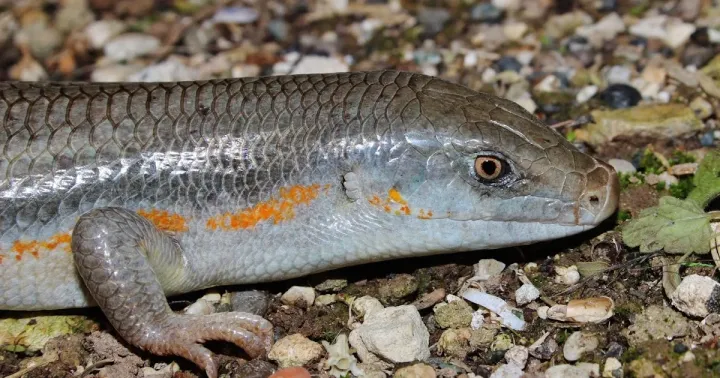
Description
How to identify
The genus Eumeces belongs to the family Scincidae (skinks) within the order Squamata. These lizards are globally recognized for their sleek, streamlined bodies and shiny, overlapping scales.
Morphologically, they are characterized by short limbs and a long tail that can sometimes be lost and regenerated. Their color patterns often include longitudinal stripes that help them camouflage in leaf litter.
They are primarily insectivores, playing a role in natural pest control, but their fossorial behavior (digging habits) can lead to conflict with agricultural practices in certain environments.
Their life cycle involves egg-laying in subterranean nests, often located beneath logs, rocks, or loose, moist soil where protection from predators and temperature stability is ensured.
The average size varies significantly by species, but they generally range from 15 to 30 centimeters. They are typically shy, quick-moving animals that favor undisturbed areas of a garden.
What it damages
The primary concern regarding Eumeces in agriculture is mechanical damage to plant root systems caused by their burrowing activities near sensitive young seedlings.
By creating tunnels in the root zone, they can disrupt soil contact with roots, leading to reduced water and nutrient uptake, which results in stunted plant growth or wilting.
The damage is most severe during the germination and initial establishment phases of plants, where any disruption to the delicate root architecture is detrimental.
Additionally, their burrows can serve as channels for excess water or create air pockets that cause roots to dry out prematurely, particularly in lighter, sandy soils.
While they do not consume plant material directly, their presence in high-density vegetable patches can lead to significant localized crop loss due to soil disturbance.
When it appears
Activity levels for these lizards are closely tied to the ambient temperature and soil warmth, typically peaking from mid-spring through late summer.
During the spring, they emerge from hibernation to forage and mate, which frequently coincides with the timing of crop planting, making seedlings particularly vulnerable.
Summer activity is often restricted to cooler parts of the day, such as early morning or late evening, as they attempt to avoid extreme midday temperatures.
As autumn approaches and temperatures drop, their metabolism slows down, and they begin seeking deeper subterranean shelters for their winter dormancy period.
The frequency of sightings or signs of burrowing is strongly correlated with periods of optimal temperature and soil moisture levels suitable for reptilian activity.
Signs of infestation
The most common indicator of their presence is the appearance of small, round, or oval-shaped entrance holes in the soil surface near plant stems or decorative beds.
Plants showing symptoms of water stress or unexpected wilting in the absence of pathogens often indicate mechanical disruption of the root zone caused by subterranean activity.
Finding shed skins or tail fragments in the garden suggests an active population of these lizards moving through the area regularly.
Surface soil displacement or raised sections of mulch, where tunnels have been excavated just below the surface, serve as clear signs of their movement.
Direct visual observation of quick-moving, slender, and shiny creatures darting into holes or dense vegetation confirms their presence on the property.
Control measures
Effective management begins with sanitation; removing garden debris, piles of stones, wood, and dense weeds eliminates the natural cover they rely on for nesting.
Regular cultivation of the soil, including hoeing and turning over the surface layer, disturbs their tunnels and discourages them from establishing permanent habitats in cropped areas.
Installing physical barriers such as fine wire mesh or raised bed edging can successfully prevent skinks from accessing the root zone of vulnerable vegetable seedlings.
Encouraging biodiversity by attracting natural predators of reptiles, such as specific bird species, can help manage the population through biological regulation.
Always verify local conservation laws, as many species within this family are protected in certain regions and should not be harmed or trapped without authorization.
Taxonomy
- Latin name
- Eumeces
- Family
- Scincidae
- EPPO code
- EUMSSP
Discussion
No discussions yet — be the first.