
Larch cone moth
Eucosma rescissoriana
Description
How to identify
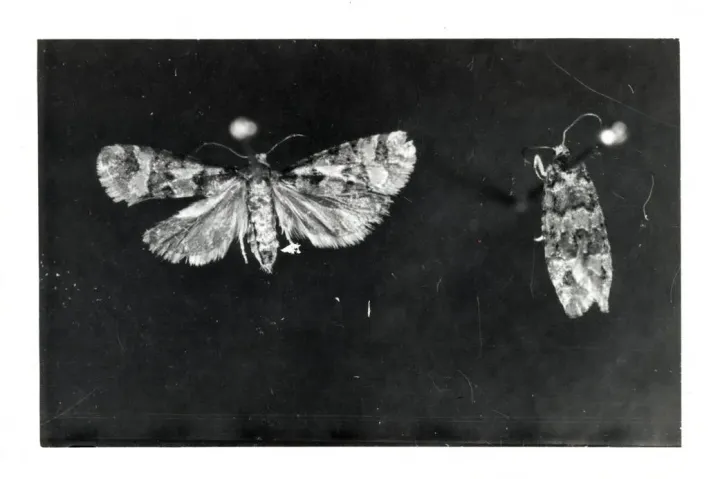
The larch cone moth Eucosma rescissoriana is a member of the Tortricidae family. This moth is small and has cryptic coloration, allowing it to blend perfectly with larch bark.
The larvae progress through several instars, feeding internally within the cones. Their color typically ranges from pale to reddish-brown, which is often observed when inspecting infested material.
This species is mainly distributed in natural and plantation larch forests. Its activity is primarily crepuscular, making detection during daylight hours more challenging for forestry professionals.
The life cycle is univoltine, meaning there is only one generation per year. This synchronization with the host plant's reproductive phase is critical for the survival of the species.
Proper identification usually requires field inspection of developing cones during the peak of the host tree's flowering and fruiting period.
##damage##The primary damage is caused by the larvae feeding on the developing seeds of the larch. By consuming the seed tissues, the moth significantly reduces the viable seed yield.
The larvae tunnel through the central axis of the cone, disrupting nutrient transport. This leads to the premature drying and abscission of the affected cones before they can mature.
In seed orchards and nurseries, infestations can result in heavy economic losses, as the quantity and quality of collectable seeds are severely compromised.
The structural integrity of the cone is often lost, making it difficult to extract seeds for forestry replanting purposes.
Infested stands are often weakened, which can lead to increased vulnerability to secondary pests and various fungal infections that follow the larval tunneling activity.
When it appears
Adult moths typically emerge in late spring, corresponding with the flowering stage of the larch tree. This is the period when females begin depositing their eggs on young cones.
Larval development occurs throughout the summer as the cones grow. The larvae remain protected within the cone, feeding on the developing tissues and seed embryos.
By late summer or autumn, the larvae complete their feeding cycle. They then prepare for winter, with some larvae remaining inside the cones and others moving into the litter layer.
The larvae enter a period of diapause, a biological state of suspended animation that allows them to survive extreme winter temperatures until the following spring.
The cycle completes when pupation occurs and the adults emerge the following season, perfectly timed with the availability of new larch cones.
Signs of infestation
The most prominent sign of an infestation is the presence of small entry holes on the cone surface, often accompanied by frass or excrement trapped in fine silk threads.
Resin exudation is a common defense mechanism of the larch; therefore, sticky, resinous patches on the cones are a strong indicator of larval entry and feeding activity.
- Small circular holes on the cone exterior.
- Presence of fine silk webbing between scales.
- Heavy resin bleeding on the cone surface.
- Deformed or asymmetrical cone shape.
- Premature browning and abscission of cones.
As the larvae hollow out the interior, the affected cones lose their healthy color and may appear brittle or prematurely aged compared to non-infested cones on the same tree.
Internal examination of a suspected cone often reveals the larva or clear evidence of tunneling through the central axis, which confirms the infestation.
Control measures
Silvicultural management is the first line of defense. Maintaining healthy stands and encouraging natural biodiversity can help reduce the attractiveness of the area to the pest.
In commercial seed orchards, chemical intervention may be required. Targeted applications of systemic insecticides at the time of egg-laying or larval emergence are highly effective.
Biological control involves conserving and promoting natural predators such as parasitic wasps, which can significantly regulate the population of the moth within forest ecosystems.
Sanitation practices, such as the collection and disposal of fallen cones in the autumn, can reduce the overwintering population density of the moth.
Monitoring using pheromone traps is a recommended strategy for commercial growers to predict peak flight times and optimize the timing of any necessary pest management actions.
Taxonomy
- Latin name
- Eucosma rescissoriana
- Order
- Lepidoptera (butterflies)
- Family
- Tortricidae
- EPPO code
- EUCORE
Discussion
No discussions yet — be the first.