
Eucosma bobana
Eucosma bobana
Description
How to identify
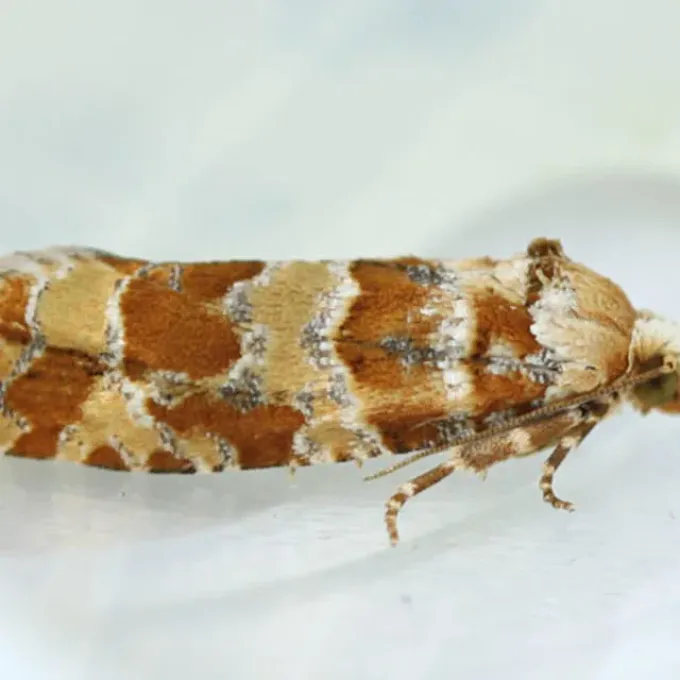
Eucosma bobana is a moth species belonging to the order Lepidoptera and the family Tortricidae. It is recognized as a significant pest affecting agricultural crops, specifically sunflower.
The adult moth is characterized by its nocturnal behavior and cryptic coloration, which provides excellent camouflage against environmental surfaces during the day.
The life cycle includes the egg, larval (caterpillar), pupal, and adult stages. The larval stage is the one responsible for the direct damage to plant structures.
The taxonomic classification reflects its membership in the Tortricidae family, known for their specific larval feeding habits within plant tissues.
Understanding the life cycle is crucial for implementing timely and accurate control measures to prevent economic losses in sunflower production.
What it damages
The primary host plant for Eucosma bobana is the sunflower. The larvae specifically target the reproductive structures of the plant during the critical growth phases.
Caterpillars bore into the sunflower heads, creating tunnels and feeding on the developing seeds, which significantly reduces yield quality and quantity.
The physical damage caused by the larvae acts as a gateway for secondary pathogens, including various fungal infections such as grey and white mold.
Severe infestations can lead to a substantial decrease in the total seed weight per hectare, impacting the overall profitability of the sunflower crop.
Beyond seed consumption, the disruption of the internal tissues of the flower head affects the plant's physiological ability to fill the seeds properly.
When it appears
The activity of Eucosma bobana is highly synchronized with the phenological stages of the sunflower, particularly the budding and flowering periods.
Adult moths emerge and initiate mating, followed by oviposition, usually on the underside or the bracts of the developing sunflower head.
The larval period lasts for several weeks, during which the caterpillars undergo multiple molts, increasing their consumption rate as they grow.
Pupation generally occurs within the soil or in plant debris, where the insect remains dormant during the non-growing season.
Effective monitoring using pheromone traps allows farmers to detect the arrival of the pest and schedule control actions before mass egg-laying occurs.
Signs of infestation
A primary indicator of infestation is the appearance of silk webbing on the surface of the sunflower head, which serves as shelter for the young larvae.
Frass (larval excrement) found near the entry points on the sunflower head is a clear sign of active larval feeding inside the floral tissues.
Local wilting or discoloration of the sunflower head often suggests internal structural damage caused by the feeding caterpillars.
Careful inspection of the sunflower head reveals entry holes that provide access to the developing seeds deep inside the receptacle.
Premature seed drop or shriveled seeds during harvesting are common signs that Eucosma bobana has been present throughout the growing season.
Control measures
Integrated Pest Management (IPM) for Eucosma bobana involves a combination of cultural, biological, and chemical methods to minimize damage.
Cultural practices such as deep autumn plowing are essential to disrupt the pupation sites in the soil and reduce the overwintering population.
Crop rotation remains a fundamental strategy, ensuring that sunflowers are not planted in the same field in consecutive years to break the pest's cycle.
Biological control, including the release of beneficial insects like Trichogramma wasps, can significantly reduce the pest population by parasitizing its eggs.
- Use of pheromone traps to monitor adult moth populations.
- Application of selective insecticides during the peak of egg-hatching.
- Removal of volunteer sunflowers and weeds that may host the pest.
- Maintaining healthy plant density to improve overall crop resilience.
Taxonomy
- Latin name
- Eucosma bobana
- Order
- Lepidoptera (butterflies)
- Family
- Tortricidae
- EPPO code
- EUCOBO
Discussion
No discussions yet — be the first.