
Euconulus fulvus
Euconulus fulvus
Description
How to identify
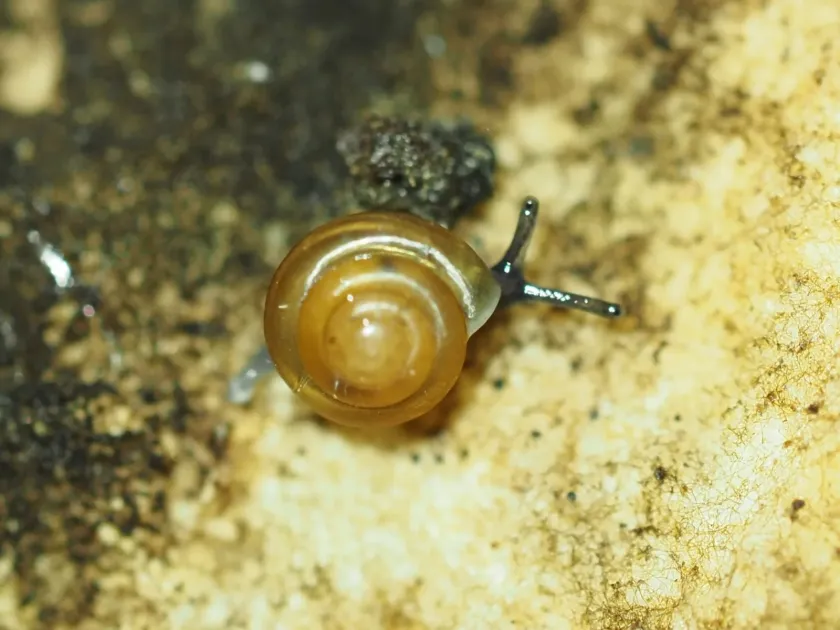
Euconulus fulvus belongs to the family Euconulidae, order Stylommatophora. It is a small land snail characterized by its conical, glossy, amber-to-brown colored shell, which typically reaches 3–4 mm in height.
The snail's body is generally grayish-brown, allowing it to blend seamlessly into leaf litter and soil surfaces. Due to its miniature size, it often escapes immediate notice during standard crop inspections.
This species thrives in moist, shaded environments, frequently inhabiting areas beneath decaying leaves, logs, or dense vegetation where humidity remains consistently high throughout the day.
Its biological cycle is strictly dependent on soil moisture and high organic matter content, which provides both food and protection from environmental desiccation for both eggs and adults.
Reproduction involves laying small clusters of eggs in damp crevices or beneath organic debris, ensuring the next generation is well-protected from direct sunlight and dry conditions.
What it damages
Euconulus fulvus feeds primarily on decomposing plant matter; however, when populations are high, they can cause significant damage to young vegetable seedlings and tender plant tissues.
The pest poses a particular threat in greenhouses and nurseries, where the lack of predators and ideal microclimate conditions allow for rapid proliferation and aggressive feeding on delicate shoots.
Feeding damage consists of irregular holes in leaves and stems, which often serve as entry points for secondary pathogens like fungi and bacteria, leading to tissue necrosis and plant decline.
In berry cultivation, these snails may scrape the skin of ripening fruits, negatively impacting marketability and shelf life, particularly when fruits are in contact with the ground.
Persistent feeding on seedlings can lead to stunted growth or even total loss of the crop if the infestation is not detected and addressed during the early stages of plant development.
Signs of infestation
Small, irregular holes in seedling leaves close to the soil surface are early indicators of infestation. Dried, shimmering mucous trails on stems or soil are definitive signs of their presence.
To detect these snails, one should conduct inspections during dawn or dusk, lifting debris, mulch, or checking the undersides of leaves near the root zone of vulnerable plants.
Poor seedling performance, coupled with visible snail presence in damp soil sections, suggests that the population has reached levels requiring active intervention to protect crop health.
Necrotic spots on leaves that progressively expand often indicate secondary infections triggered by the mechanical damage caused by the snail's radula during feeding.
Monitoring is crucial in high-humidity periods or in systems utilizing high organic matter mulching, as these are the primary ecological niches for Euconulus fulvus.
Control measures
Good sanitation practices, such as removing weeds and disposing of excess plant debris, are the most effective cultural controls, as they eliminate the snail's preferred harborages.
Frequent soil cultivation helps disrupt the snail's movement pathways and exposes eggs to drying conditions, significantly reducing the survival rate of the population.
For protected cultivation, creating physical barriers using abrasive materials like crushed eggshells or wood ash can prevent snails from reaching sensitive plant stems.
When necessary, chemical control measures using molluscicides based on metaldehyde or iron phosphate can be employed to manage high infestation levels effectively and safely.
Promoting a balanced ecosystem by encouraging natural predators such as carabid beetles, hedgehogs, and insectivorous birds is a sustainable strategy for long-term population management.
Taxonomy
- Latin name
- Euconulus fulvus
- Order
- Molluscs
- Family
- Euconulidae
- EPPO code
- EWCOFU
Discussion
No discussions yet — be the first.