
Episimus tyrius
Episimus tyrius
Description
How to identify
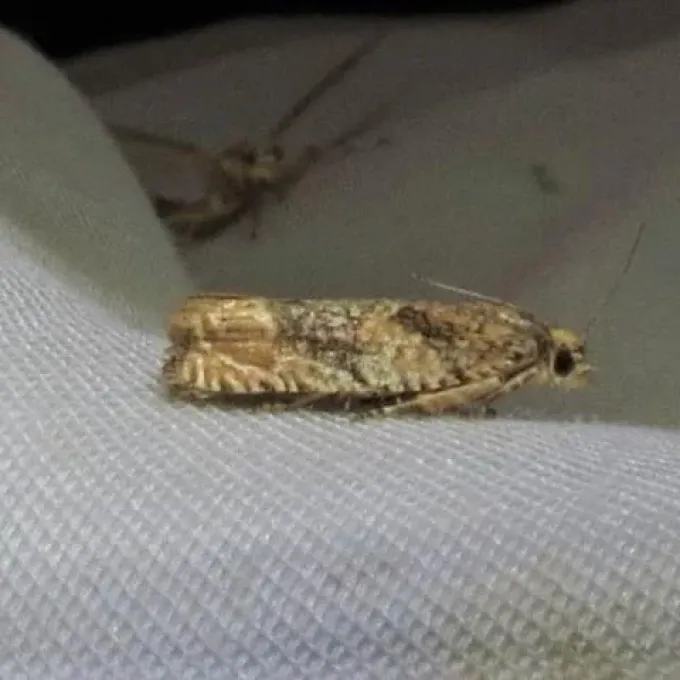
Episimus tyrius is a species of moth belonging to the Tortricidae family, commonly referred to as leafrollers. These insects are significant pests for certain ornamental shrub species.
The adult moth is typically small with cryptic coloration that allows it to blend seamlessly into the bark or foliage of host plants during its resting phase.
The life cycle includes four distinct stages: egg, larva (caterpillar), pupa, and adult. The timing of these stages is strictly governed by environmental temperature and the phenology of host trees.
The larvae are highly characteristic of the Tortricidae family, exhibiting a slender body, distinct thoracic legs, and the ability to produce silk for shelter building.
As a specialist feeder, this species primarily targets plants within the Anacardiaceae family, with a particular affinity for Sumac (Rhus) species, which is essential for accurate field identification.
What it damages
The caterpillars of Episimus tyrius cause damage by feeding on both the foliage and the tender apical shoots of their host plants, which can be detrimental to plant health.
Early-stage larvae often consume the leaf tissue from the underside, while more mature larvae may completely consume parts of the leaf, leaving only the prominent veins behind.
A key behavioral trait is the creation of leaf-rolls or shelters using silk threads. These structures protect the larva from predators, parasitoids, and harsh environmental conditions.
Severe infestations can lead to premature leaf drop, which significantly diminishes the aesthetic appeal of ornamental plantings in gardens and urban landscapes.
Feeding damage at the tips of shoots often inhibits normal longitudinal growth, forcing the plant to develop lateral branches, which alters its natural architectural form.
Signs of infestation
The most reliable sign of an infestation is the presence of rolled or folded leaves that appear distorted and are securely bound with fine silk webbing.
Inspecting the interior of these leaf-rolls will usually reveal the caterpillar itself or small, dark frass pellets, which are waste products left behind during feeding.
Window-like patches on leaves where the upper epidermis is left intact but the inner parenchyma has been consumed indicate the early activity of young larvae.
Drying and browning of leaf margins, often a secondary effect of larval feeding on vascular structures, are visible indicators that the plant is undergoing physiological stress.
During the flight season, the presence of small moths fluttering near the canopy at dusk is a precursor to the emergence of the next generation of larvae.
Control measures
Effective management begins with regular monitoring, specifically focusing on the canopy during the spring months when the first generation of caterpillars emerges.
Biological control agents, such as formulations of Bacillus thuringiensis, are highly effective against larval stages while maintaining the safety of non-target beneficial insects.
For smaller infestations in home gardens, the physical removal and destruction of the rolled-leaf clusters can provide immediate relief and prevent the spread of the population.
When systemic insecticide application is necessary, it is best timed to coincide with the period of peak larval activity to ensure that the chemical is ingested during feeding.
Sanitation practices, such as the removal and composting or incineration of fallen leaves in late autumn, are vital to reducing the overwintering pupal population for the following year.
Taxonomy
- Latin name
- Episimus tyrius
- Order
- Lepidoptera (butterflies)
- Family
- Tortricidae
- EPPO code
- EPIITY
Discussion
No discussions yet — be the first.