
Episimus
Episimus
Description
How to identify
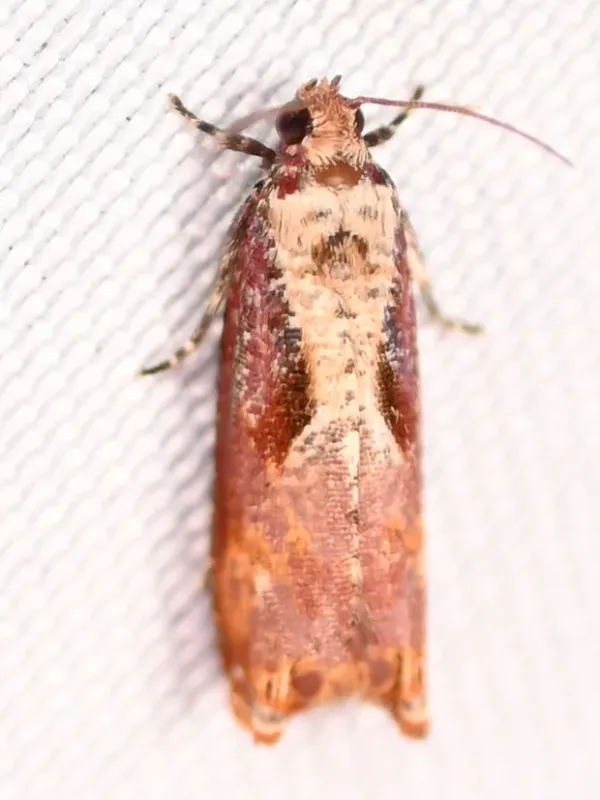
Episimus is a genus of moths belonging to the Tortricidae family. Adult specimens are small moths that typically hold their wings in a tent-like configuration while at rest, a hallmark of the family.
The coloration of the imago is generally cryptic, ranging from gray to brown tones, which allows them to effectively camouflage against bark or leaves of host plants. Larvae possess a cylindrical body, colored in light or greenish shades with a distinct head capsule.
The life cycle encompasses four developmental stages: egg, larva (caterpillar), pupa, and imago (adult moth). Identification at the larval stage is primarily conducted by observing the specific leaf-rolling patterns used as protective shelters.
The insect's development is directly influenced by temperature regimes and air humidity during the growing season. Under optimal environmental conditions, the species is capable of producing multiple generations within a single agricultural year.
Due to the pest's secretive behavior, early detection of adults using pheromone traps is vital for effective population monitoring and timing of necessary interventions.
What it damages
Episimus acts as a polyphagous pest, affecting a broad spectrum of woody plants and shrubs, including fruit crops and ornamental species. Significant economic losses are frequently recorded in nurseries and young orchards.
Early-instar larvae feed on the leaf parenchyma, skeletonizing the leaf blade from the inside or the underside. Older larvae transition to consuming the more substantial tissues of the leaf.
A primary sign of infestation is the formation of nests created by rolling leaves and binding them with silk. Inside these shelters, the pests remain shielded from environmental stressors and direct exposure to pesticides.
In cases of mass outbreaks, the pest can cause premature defoliation, which significantly weakens the plant's immune system and reduces the growth rate of young shoots and wood.
Damage to reproductive organs occurs less frequently; however, during periods of high population density, larvae may attack ovaries, leading to fruit deformation and a decrease in overall harvest quality.
Control measures
Controlling Episimus relies on an integrated pest management (IPM) strategy that combines agrotechnical, biological, and chemical methods to regulate population density effectively.
Agrotechnical practices include regular sanitary pruning of infested branches and the manual removal of rolled leaves, which serve as overwintering sites or pupation chambers for the larvae.
Biological control involves the use of entomophages, such as Trichogramma wasps, which effectively parasitize leafroller egg masses, thereby reducing the density of the subsequent pest generation.
Chemical control efforts must be timed precisely during the caterpillar hatching period, as the larvae are most vulnerable before they secure themselves within protective leaf rolls or nests.
It is recommended to use systemic or contact-stomach insecticides, while strictly adhering to application regulations and pre-harvest intervals to ensure safety and regulatory compliance.
Taxonomy
- Latin name
- Episimus
- Order
- Lepidoptera (butterflies)
- Family
- Tortricidae
- EPPO code
- EPIISP
Discussion
No discussions yet — be the first.