
Epiphyas xylodes
Epiphyas xylodes
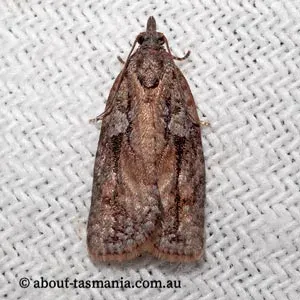
Description
How to identify
Epiphyas xylodes belongs to the order Lepidoptera and the family Tortricidae. It is a moth species recognized for its association with various plants, where the larvae act as significant foliar feeders.
The adult moth has a wingspan of approximately 15–20 mm. Its forewings exhibit cryptic coloration, typically shades of ochre and brown, providing excellent camouflage against tree bark and foliage.
Larvae pass through several instars, usually appearing light green or olive, often with a darker head capsule. They are well-known for their habit of tying leaves together using silk threads.
Pupation occurs within these silk-protected environments, which keeps the pupa shielded from environmental stress and natural predators, ensuring a higher survival rate for the next generation.
The species demonstrates a high level of adaptability to local conditions, often completing multiple generations per year depending on the warmth and availability of host plant foliage.
What it damages
Epiphyas xylodes is a polyphagous pest, meaning it attacks a wide variety of plant species, including various fruit trees, shrubs, and many types of ornamental plants in gardens and nurseries.
The larvae are the primary damaging stage. They feed on young, tender leaves, buds, and even developing fruit, leading to significant damage that can stunt plant growth and reduce vigor.
In commercial orchards, infestation leads to direct losses due to fruit injury, where larvae burrow into the fruit surface, rendering the produce unmarketable and susceptible to decay.
Severe infestations can lead to partial or total defoliation of branches, which weakens the plant’s ability to photosynthesize and accumulate nutrients for the next growing season.
For ornamental plants, the aesthetic damage caused by leaf rolling and feeding marks is often the primary reason for intervention, as it destroys the visual value of the foliage.
Signs of infestation
The most recognizable sign is the presence of rolled or folded leaves, firmly held together by silken webbing. These structures serve as nests for the developing larvae.
Feeding damage is characterized by irregular holes in the leaves or skeletonized areas where the larvae have consumed the leaf tissue but left the larger veins intact.
The accumulation of frass (larval excrement) near the silk nests or on the surface of the leaves beneath the infestation site is a clear indicator of active feeding activity.
Damage to the reproductive parts of the plant, such as chewed flower buds or scarred young fruit, is a frequent sign during the active growing season.
Monitoring the flight of adult moths using light traps or pheromone traps can confirm the presence of the species in the area before larval damage becomes widespread.
Control measures
Managing Epiphyas xylodes effectively requires an Integrated Pest Management (IPM) approach that combines cultural, biological, and chemical methods to minimize damage.
Cultural control involves removing and destroying infested plant material, such as pruned branches, to reduce the number of overwintering pupae and limit the source of re-infestation.
Biological control options include the use of predatory insects or parasitic wasps that specialize in attacking lepidopteran larvae, which can significantly suppress population growth.
Chemical control is most effective when targeted at the early larval stages before they have fully protected themselves inside leaf rolls, requiring careful timing based on population monitoring.
- Monitor populations using pheromone lures.
- Prune and dispose of damaged leaves/shoots.
- Apply biological insecticides like B. thuringiensis.
- Use selective chemical insecticides during peak hatch periods.
Taxonomy
- Latin name
- Epiphyas xylodes
- Order
- Lepidoptera (butterflies)
- Family
- Tortricidae
- EPPO code
- EPPHXY
Discussion
No discussions yet — be the first.