
Epiphyas pulla
Epiphyas pulla
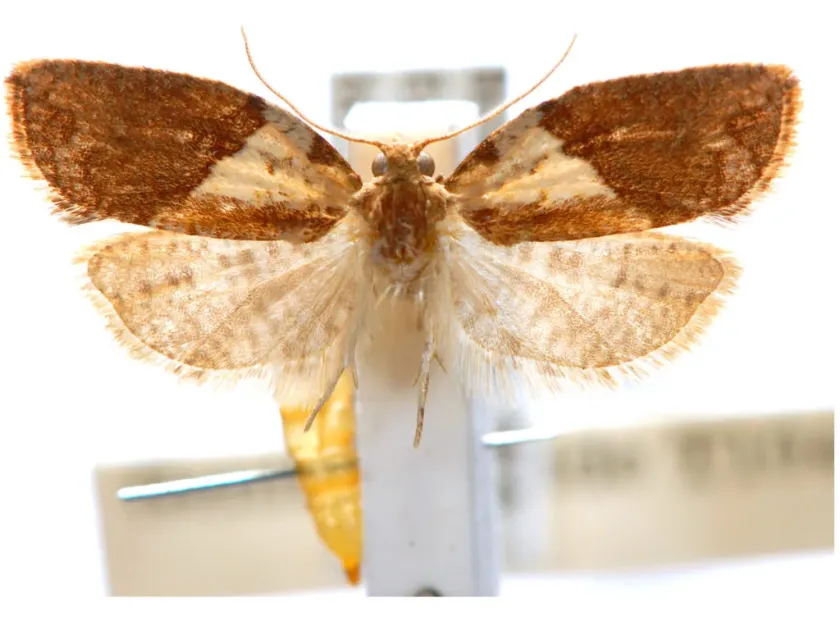
Description
How to identify
Epiphyas pulla is a member of the Tortricidae family, commonly known as leafrollers. These small moths are characterized by their muted coloration, which serves as an effective camouflage against tree bark and foliage.
The life cycle includes four distinct stages: egg, larva, pupa, and adult. The larval stage is the most destructive, as these caterpillars possess chewing mouthparts designed to consume plant tissue rapidly as they develop and grow.
Caterpillars of this species exhibit high mobility. When threatened, they often drop from the leaves on fine silk threads or seek shelter in the underside of leaves, making them difficult to detect without careful inspection.
Pupation typically occurs within rolled leaves, which the caterpillar binds together using silk. This protective structure shields the pupa from both environmental fluctuations and predatory insects seeking an easy meal.
Adult moths are nocturnal or crepuscular. During the day, they remain stationary in shaded areas of the tree canopy, which makes them difficult to spot during routine garden checks unless pheromone traps are utilized.
What it damages
This pest primarily attacks fruit-bearing plants, including apple, pear, and plum trees. It can also be found on various ornamental plants, potentially spreading across nurseries if not properly managed by growers.
The primary damage is caused by larvae that feed on young foliage. They roll leaves into characteristic tubes or cigars and secure them with silk, creating a sheltered feeding environment that is difficult for contact insecticides to penetrate.
When larvae infest fruits, they chew into the skin and flesh. These entry points lead to scarring, fruit deformation, and increased susceptibility to secondary infections, such as brown rot, which can destroy the fruit quality.
High infestation levels lead to severe foliage loss, which disrupts the photosynthetic process of the tree. Consequently, this weakens the plant and reduces its ability to store nutrients for the following year's growth.
Economic damage is significant, as even a moderate presence of this pest can result in a large percentage of fruit being downgraded or rejected at market due to blemishes and physical damage to the skin.
When it appears
The activity of Epiphyas pulla begins in early spring as temperatures consistently climb above 10-12°C. The emergence of the first generation of moths typically coincides with the bud-burst stage of deciduous fruit trees.
Throughout the summer, the life cycle progresses rapidly. In warmer climates, several overlapping generations can occur within a single season, meaning caterpillars of different ages may be present simultaneously on the same host tree.
The peak activity period usually occurs during mid-summer. This period is critical because the larvae are actively feeding to support their growth, and the fruit is in a vulnerable phase of development and sugar accumulation.
As autumn approaches, the population prepares for overwintering. Individuals enter a state of diapause, often hiding in crevices of tree bark or within leaf debris, where they wait for the next spring season to restart their cycle.
Monitoring the seasonal timeline is best achieved through pheromone traps, which allow orchardists to track the arrival of adult moths and predict the subsequent emergence of the vulnerable larval populations.
Signs of infestation
The most prominent sign of infestation is the presence of rolled or webbed leaves. Inspecting these rolled sections will typically reveal the presence of a larva or the dark-colored fecal pellets left behind by the feeding insect.
Silk webbing found between fruits or between a leaf and a fruit is a strong indicator of larval activity. This silk is often used to tether parts of the plant together, creating a protective enclosure for the caterpillar.
Surface blemishes on ripening fruit, such as small ulcers or sunken spots, indicate that a larva has attempted to feed on the fruit skin. These spots often develop into entry points for fungi as the fruit softens.
An overall appearance of damaged or stunted shoots can signal an infestation. When larvae feed on the apical growth points, they prevent the normal development of the shoot, leading to a distorted and bushy growth habit.
Increased moth sightings during the evening hours are a clear sign that a generation of adults is present. This is the optimal time for farmers to begin monitoring and implementing early-stage control measures.
Control measures
Integrated Pest Management (IPM) is the most effective approach for controlling Epiphyas pulla. This involves combining cultural practices with biological and, if necessary, chemical interventions to lower populations.
Biological control methods include the use of egg parasitoids like Trichogramma species, which target the moth's eggs. Additionally, biopesticides based on Bacillus thuringiensis are highly effective against larvae if applied during the early instars.
Chemical control should be strategically timed. The most effective window for application is when the larvae are newly hatched and have not yet fully enclosed themselves within the protective rolled leaves.
Rotating chemical classes is essential to manage resistance, as repeated use of the same mode of action can lead to ineffective control. Always follow local agricultural regulations regarding application rates and pre-harvest intervals.
- Scraping away old bark to destroy overwintering sites.
- Using pheromone traps for precise population monitoring.
- Encouraging natural predators such as birds and parasitic wasps.
- Removing and destroying heavily infested leaves and fruit manually.
Taxonomy
- Latin name
- Epiphyas pulla
- Order
- Lepidoptera (butterflies)
- Family
- Tortricidae
- EPPO code
- EPPHPU
Discussion
No discussions yet — be the first.