
Cypress tip moth
Epinotia hopkinsana
Description
How to identify
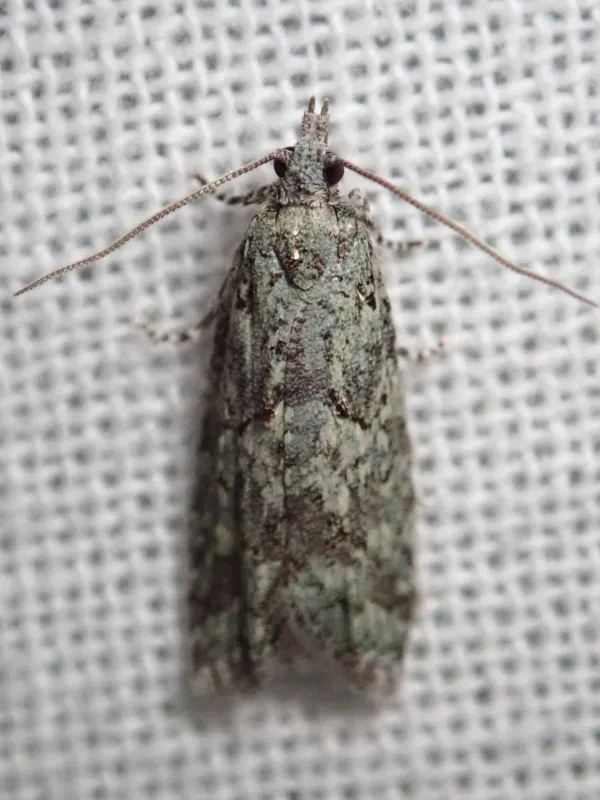
The cypress tip moth, scientifically known as Epinotia hopkinsana, belongs to the Tortricidae family. These small moths are characterized by mottled brownish-grey wings that blend perfectly with the bark and foliage of host plants, making them difficult to detect during daylight hours.
What it damages
This pest specifically targets members of the Cupressaceae family, including cypress trees, junipers, and arborvitae (Thuja). The larvae are the primary damaging stage, as they bore into the tips of young branches, feeding on the tender tissues and internal parts of the needles.
When it appears
The life cycle typically spans the warmer months. Adult moths emerge in spring or early summer to lay eggs on the needles or shoots. The larvae hatch and begin feeding almost immediately, growing and developing through several instars before pupating within the mined tips or on the foliage.
Signs of infestation
The most visible symptoms of an infestation include the browning and dieback of the branch tips. Upon closer inspection, one can find fine webbing, excrement, and dead needle scales held together at the tips of the shoots, indicating the presence of active larvae inside the plant tissue.
Control measures
Managing Epinotia hopkinsana requires a combination of cultural and chemical strategies. Pruning and destroying infested tips can significantly reduce the population. For larger infestations, systemic or contact insecticides should be applied during the period of egg-hatching to kill larvae before they bore deep into the shoots.
Taxonomy
- Latin name
- Epinotia hopkinsana
- Order
- Lepidoptera (butterflies)
- Family
- Tortricidae
- EPPO code
- EPINHO
Discussion
No discussions yet — be the first.