
Epinotia
Epinotia
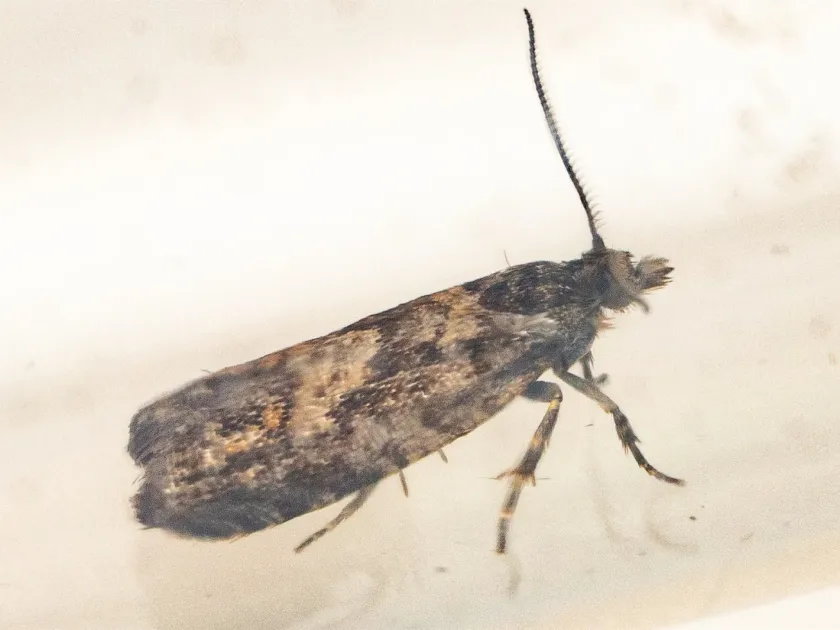
Description
How to identify
Epinotia is a genus of moths belonging to the family Tortricidae. These are typically small, nocturnal insects with a wingspan usually not exceeding 15–20 mm, characterized by cryptic coloration that mimics tree bark.
The larvae are small caterpillars, often growing up to 15 mm in length, which frequently display a yellow-green or brownish body with a dark head. They are known for their agile behavior, often retreating rapidly when disturbed.
The genus includes numerous species, each highly adapted to specific host plants. Because of the morphological similarity between species, accurate identification often requires expert analysis of their reproductive structures.
The lifecycle of Epinotia is deeply synchronized with the host plant's phenology. Most species complete one generation per year, overwintering as eggs or larvae tucked within bark crevices or leaf litter.
While serving as a natural part of forest ecosystems, these insects can become a significant nuisance in nurseries, parks, and home gardens where they threaten the aesthetic value of the trees.
What it damages
The damage is primarily caused by larvae feeding on needles, buds, and young shoots of various woody plants. Coniferous trees such as spruce, fir, and pine are particularly susceptible to their activity.
In early spring, larvae tunnel into the buds, destroying the growing points. This results in stunted growth and distorted branch patterns, which can severely compromise the plant's health and appearance.
Heavily infested shoots often wither, bend, or die back. This is particularly noticeable in ornamental trees where the loss of symmetry and foliage density reduces the plant's visual appeal.
Needles damaged by the larvae tend to yellow, turn brown, and fall off prematurely. Due to the larvae's habit of webbing needles together, the infestation often remains hidden until the symptoms become severe.
Furthermore, these feeding sites create entry points for secondary pathogens, such as fungal infections, which can lead to further decline in the host tree's vitality.
When it appears
The active feeding phase of the larvae typically begins in early spring as temperatures rise, signaling the onset of the tree's growth phase.
During this period, larvae emerge to feed on the tender, expanding buds and newly formed needles, which are rich in nutrients necessary for their development.
Adult moth activity, including mating and egg-laying, usually occurs during the summer months, typically between June and July, depending on the local climate and weather conditions.
Second generations, if present, develop later in the summer before the larvae prepare for winter hibernation, finding shelter in protected areas of the tree or forest floor.
The precise timing of these events varies significantly based on geographic latitude and the specific climatic conditions of the growing season.
Signs of infestation
A primary indicator of Epinotia presence is the visible webbing on the tips of branches, where larvae incorporate their frass and needle fragments into protective shelters.
Buds that fail to develop in the spring or appear dry and withered on otherwise healthy branches are a clear sign of larval activity inside the tissues.
Widespread yellowing and shedding of needles on young shoots are characteristic symptoms that warrant further inspection of the branch tips.
If the webbed needles are gently pulled apart, the small, active larva can often be found hiding inside its silken enclosure.
- Yellowed or brown branch tips.
- Webbed needle clusters.
- Presence of dark frass pellets.
- Non-opening or hollowed-out buds.
Control measures
Management of Epinotia requires an integrated approach that combines cultural practices with targeted insecticide applications when necessary.
Cultural control involves pruning and destroying infested shoots early in the spring, which effectively reduces the local population before the larvae can pupate.
Chemical control is most effective during the peak egg-hatch period. Systemic or contact insecticides approved for forest and landscape use should be applied to target the young larvae before they web themselves into protected shelters.
Pheromone traps are excellent tools for monitoring moth populations and identifying the exact timing for management interventions, ensuring efficient use of control agents.
Biological control using formulations based on Bacillus thuringiensis is highly recommended as a low-impact, environmentally friendly option to manage young larval stages without harming beneficial insect populations.
Taxonomy
- Latin name
- Epinotia
- Order
- Lepidoptera (butterflies)
- Family
- Tortricidae
- EPPO code
- EPINSP
Discussion
No discussions yet — be the first.