
Epichorista
Epichorista
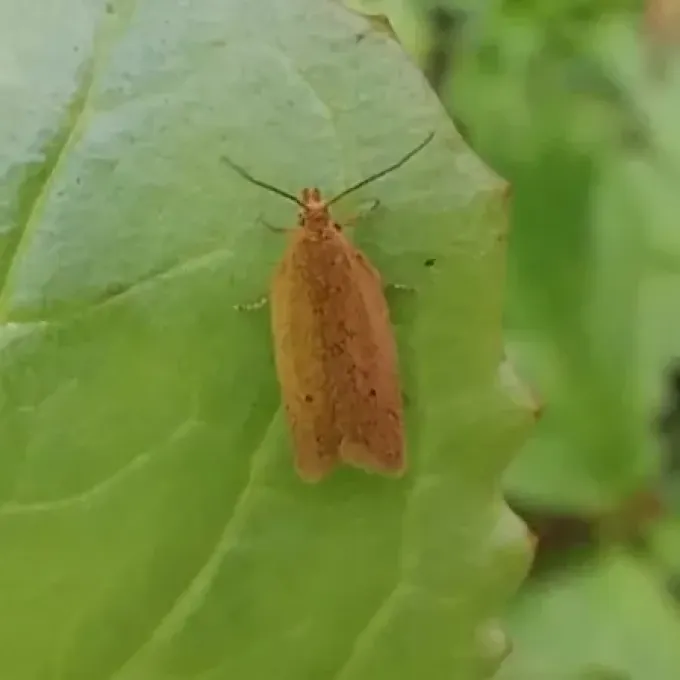
Description
How to identify
Epichorista is a genus of moths belonging to the Tortricidae family, which is part of the Lepidoptera order. These moths are typically small and nocturnal, often appearing in gardens and orchards.
The adult moths are characterized by specific genital structures, which serve as the primary diagnostic feature for entomologists. Their wings often display cryptic coloration, helping them blend into the bark of trees during the day.
The larvae, commonly known as leafroller caterpillars, have cylindrical bodies and are highly mobile. Their color ranges from pale green to olive, which serves as a protective camouflage against their host plants.
The life cycle is holometabolous, consisting of egg, larva, pupa, and adult stages. The development speed is heavily influenced by ambient temperature and the quality of the food source.
With an average wingspan of 15–22 mm, these moths usually rest with their wings folded over their bodies in a distinct triangular shape, a common trait among many leafroller species.
What it damages
Epichorista caterpillars are polyphagous, meaning they feed on a wide variety of plants, including fruit trees, berry bushes, and various ornamental species. They are considered significant agricultural pests.
Damage is most severe during the early growing season when larvae feed on buds and young shoots. This feeding can lead to the destruction of developing fruit clusters and stunt plant growth.
By consuming leaf tissue, caterpillars reduce the photosynthetic surface area, which slows down the plant's metabolic processes and weakens its immune system against other diseases.
In fruit-bearing plants, the larvae may tunnel into the fruit or chew holes in the skin, which not only ruins the appearance but also allows fungal and bacterial pathogens to invade.
Severe infestations can lead to the skeletonization of leaves, leaving only veins and causing the affected foliage to wither and drop prematurely.
When it appears
The most active period for this pest begins in the spring, synchronized with the bud-break stage of host plants. This is the time when the first generation of larvae emerges.
There are multiple generations per year, depending on the climate. The presence of overlapping generations often makes it difficult to control the pest population using single-application methods.
Adult moths are most active during warm, humid nights, which is when they lay their eggs. Monitoring these peaks is vital for effective pest management programs.
During the winter, the insects enter diapause as larvae. They survive by hiding in silk cocoons deep within bark crevices, under tree debris, or within leaf litter on the ground.
Using pheromone traps helps farmers and gardeners identify the specific flight periods for each generation, ensuring that protective measures are applied at the most vulnerable stage of the pest's life.
Signs of infestation
The most distinctive sign of infestation is the rolling or folding of leaves, secured with silk threads. These protective nests shelter the caterpillars while they feed.
Small dark pellets of frass (excrement) found within or near these rolled leaves or around the buds are clear indicators of active feeding by the larvae.
Damage to the terminal buds of young shoots often results in stunted growth or the redirection of shoot development, leading to deformed branching patterns in the plant.
Visible scarring or tunnels on the surface of young fruits are a major symptom of late-season infestation, often leading to rot or fruit drop before harvest.
Observing adult moths near artificial lights at night serves as an early warning that the breeding season has begun, signaling the need for immediate garden inspection.
Control measures
A successful defense against Epichorista requires a multi-faceted approach that integrates physical, biological, and chemical control strategies to ensure healthy harvests.
- Removing and destroying infested plant material to reduce local populations.
- Scraping away loose bark during winter to destroy dormant larvae.
- Applying biological insecticides containing Bacillus thuringiensis or entomopathogenic fungi.
- Using pheromone-based mating disruption to prevent successful reproduction.
- Installing sticky bands on tree trunks to intercept wandering larvae.
Chemical control should be timed carefully to catch the larvae just after they emerge from the eggs, before they hide inside leaf rolls where they are more protected.
Encouraging natural predators, such as parasitic wasps (e.g., Trichogramma), is a highly effective way to manage the population while minimizing the use of synthetic pesticides.
Taxonomy
- Latin name
- Epichorista
- Order
- Lepidoptera (butterflies)
- Family
- Tortricidae
- EPPO code
- EPIOSP
Discussion
No discussions yet — be the first.