
Weevil Epicaerus nebulosus
Epicaerus nebulosus
Description
How to identify
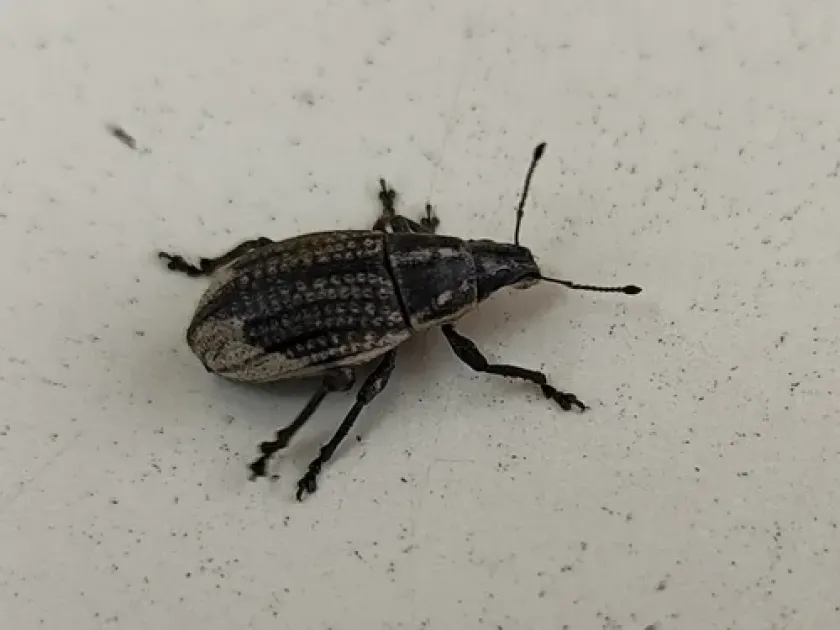
Epicaerus nebulosus is a representative of the Curculionidae family, commonly known as weevils. These insects are characterized by their elongated rostrum, which serves as a specialized mouthpart for feeding on various plant tissues.
Adult weevils are typically small with a cryptic coloration that allows them to blend in perfectly with soil particles or plant debris. This natural camouflage makes detection difficult, especially during the early stages of a pest infestation in the field.
What it damages
As a polyphagous species, this pest can cause significant damage to a wide range of agricultural crops. It feeds on both the vegetative parts of plants above ground and the root systems below, which can lead to stunted growth and crop loss.
Larval stages are particularly destructive because they reside in the soil and feed on roots, often causing plants to wilt unexpectedly. The combination of adult foliage damage and larval root feeding poses a serious threat to crop establishment.
When it appears
The life cycle is dictated by soil temperature and moisture levels. Adults emerge from their overwintering sites in the soil during early spring, coinciding with the germination and early growth stages of agricultural crops.
After mating, females lay eggs in the soil near the host plants. The larvae develop through several instars within the ground, eventually pupating before emerging as new adults. This cycle requires careful monitoring during the critical early season windows.
Signs of infestation
The most common sign of adult activity is the presence of irregular notches along the leaf margins, known as "leaf scalloping." These symptoms are typically observed in the early morning or evening when the weevils are most active.
Root damage is harder to identify but manifests as wilting, chlorosis, and the sudden collapse of seedlings. In severe infestations, farmers may notice patches of sparse or dead plants that can be easily pulled from the soil due to root destruction.
Control measures
Effective management begins with sound agronomic practices such as crop rotation and tillage, which disrupt the insect's life cycle. Reducing the availability of preferred host plants in a field can significantly lower the overall population pressure.
Chemical control involving systemic or contact insecticides is recommended when pest populations exceed the economic threshold. Applying treatments at the right timing, particularly when adults are migrating or larvae are active, is crucial for successful protection.
Taxonomy
- Latin name
- Epicaerus nebulosus
- Order
- Coleoptera (beetles)
- Family
- Curculionidae
- EPPO code
- EPIENE
Discussion
No discussions yet — be the first.