
Epicaerus
Epicaerus
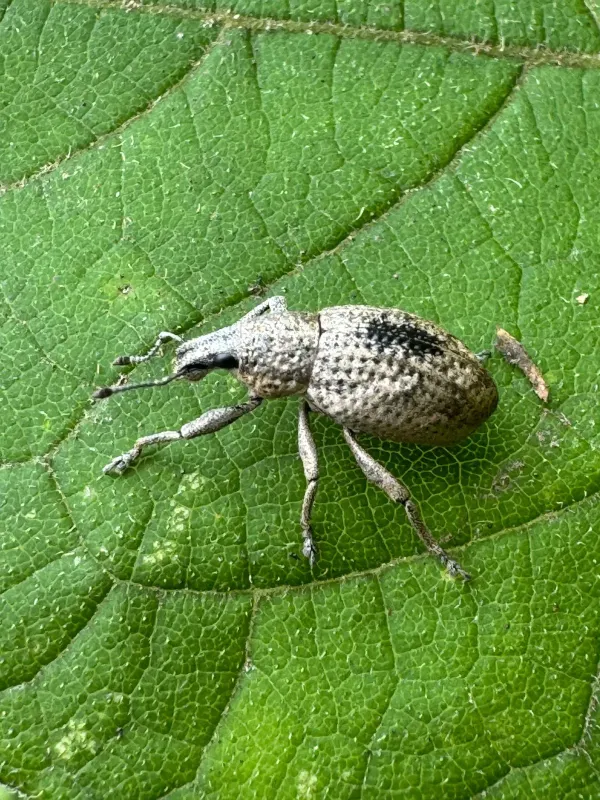
Description
How to identify
Epicaerus is a genus of beetles within the Curculionidae family, belonging to the Coleoptera order. These insects feature a characteristic elongated snout (rostrum), which is typical for weevils and is used to penetrate plant tissues.
Adult beetles generally have a robust, oval-shaped body covered in dense scales. Their coloration, ranging from gray to brown, acts as effective camouflage against soil surfaces and plant stems.
The larvae are legless, C-shaped grubs with a creamy-white body and a hardened, brownish head capsule. They lead a subterranean life, developing within the soil profile, which makes early detection difficult without digging.
Taxonomically, the genus Epicaerus includes various species, each with specific host plant preferences. In agronomy, they are typically identified by the distinct feeding marks on foliage and the specific patterns of root system damage.
Adult Epicaerus have a defense mechanism known as thanatosis (playing dead). They retract their appendages and drop to the ground when disturbed, which complicates visual monitoring of population densities in the field.
What it damages
Epicaerus species are polyphagous, capable of infesting a wide range of agricultural crops, including various vegetables, industrial crops, and fruit trees.
The larvae cause the most significant damage by feeding on roots and tubers. This activity restricts nutrient and water uptake, leading to stunted growth, wilting, and potential plant death in severe cases.
Adult beetles feed on the aerial parts of plants, leaving characteristic irregular notches or "figure-shaped" cuts along the leaf margins, which can sometimes lead to complete defoliation of seedling-stage plants.
Feeding damage at the root collar caused by young larvae often creates entry points for secondary fungal and bacterial pathogens, which further accelerate the decay of the root system and plant collapse.
Economic losses are highest in fields where crop rotation cycles are neglected or where crops are planted adjacent to grassy areas, which act as a reservoir for the beetle population.
When it appears
The life cycle of Epicaerus is highly dependent on soil temperature and moisture levels. Overwintered adults typically emerge in the spring when soil temperatures reach 10-12 degrees Celsius.
The period of mass flight and activity often coincides with the active growth phase of young seedlings, making these crops highly susceptible to damage during the early spring season.
Eggs are deposited in the soil near the plant's root zone. Female fecundity is strongly correlated with weather conditions; warm and humid summers lead to a higher egg-laying rate and subsequent population outbreaks.
Larvae develop in the soil throughout the summer, feeding actively on fine roots. By late summer or early autumn, the larvae pupate in earthen cells within the soil, where they complete metamorphosis into the adult stage.
A portion of the population may overwinter as late-stage larvae, ensuring species survival even when environmental conditions are unfavorable for the adult phase.
Signs of infestation
The first visual sign of infestation is the appearance of characteristic notched feeding patterns along the margins of leaves on young seedlings.
Another indicator is the lack of uniformity in crop stand development. Stunted plants with pale leaves often signify root damage, and careful excavation of the soil around the roots can confirm the presence of grubs.
Unexpected daytime wilting of plants, despite adequate soil moisture, is a strong diagnostic sign of root-feeding insects like Epicaerus larvae.
Visual inspection of leaves during the morning or evening hours allows for the detection of adult beetles. Shake-testing plants over a tray or cloth is an effective way to estimate the infestation level.
- Leaf chlorosis and yellowing;
- Stunted growth and poor vigor;
- Lesions and tunneling on tubers/roots;
- Increased plant mortality in patches;
- Weakened seedlings prone to secondary rot.
Control measures
Effective management of Epicaerus requires an integrated approach that combines cultural, biological, and chemical methods to target different life stages of the beetle.
Deep autumn plowing is a primary cultural control measure, as it disrupts the soil, bringing larvae and pupae to the surface where they are exposed to harsh weather and natural predators like birds.
Maintaining a strict crop rotation schedule helps reduce pest buildup in the soil, as continuous planting of host crops provides a permanent food source for all developmental stages.
Chemical control includes the application of systemic insecticide seed treatments, which provide early-season protection to seedlings against both adult leaf-feeders and soil-dwelling larvae.
In cases of high pest pressure during the growing season, foliar applications of contact or stomach-action insecticides are used to reduce adult populations before they can complete their egg-laying cycle.
Taxonomy
- Latin name
- Epicaerus
- Order
- Coleoptera (beetles)
- Family
- Curculionidae
- EPPO code
- EPIESP
Discussion
No discussions yet — be the first.