
Bramble shoot moth
Epiblema uddmanniana
Description
How to identify
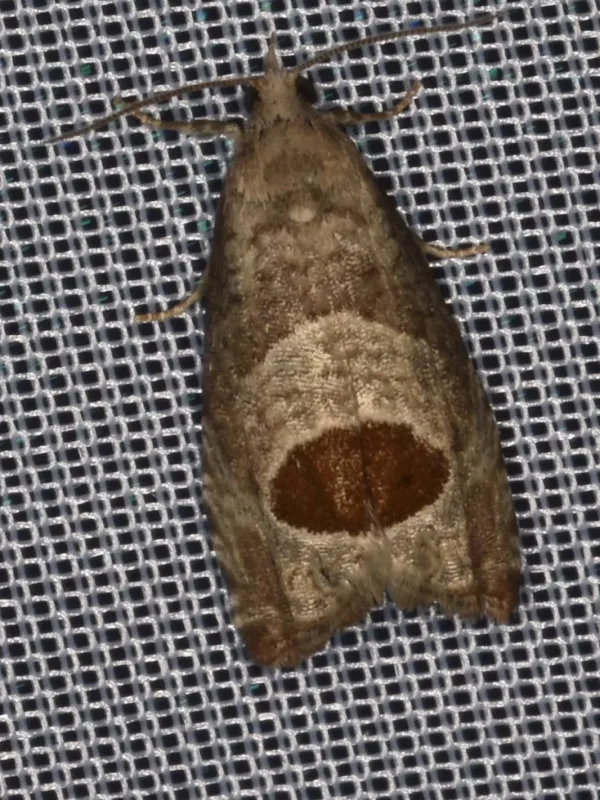
The bramble shoot moth, scientifically known as Epiblema uddmanniana, is a moth species belonging to the Tortricidae family. The adult moth typically has a wingspan ranging between 18 and 22 millimeters.
The forewings exhibit a mottled brown and grey pattern with darker markings and a lighter patch near the rear edge, providing excellent camouflage against blackberry stems. The larvae are the stage most responsible for economic damage.
Larvae reach a length of approximately 15 millimeters when fully grown. They are typically reddish-brown with a black or dark brown head and thoracic shield, making them distinct from other common berry pests.
The life cycle involves a complete metamorphosis, progressing through egg, larval, pupal, and adult stages. This insect completes one generation per year in most temperate climate regions.
Pupation usually occurs within the folded leaves or silken nests created by the larvae. Adult moths emerge in the summer, at which point they begin mating and laying eggs on the host plants.
What it damages
This pest primarily targets blackberry (Rubus fruticosus) and occasionally raspberry plants. The damage is caused by the larvae, which feed on buds, young leaves, and developing shoots.
Spring damage is particularly severe, as emerging larvae bore into the swelling buds. This feeding behavior destroys the buds, directly reducing the potential flower count and fruit yield for the season.
As the growing season progresses, the larvae tie young terminal leaves together with silk webbing to create protective nests. This behavior stunts the growth of the shoots and disrupts the normal development of the plant.
In cases of high infestation, significant portions of the crop can be lost. Furthermore, plants weakened by larval feeding become more susceptible to environmental stress and secondary diseases.
Fruit quality is also negatively impacted, as the plant directs resources toward repairing the damaged shoots rather than developing the berries, leading to smaller or malformed fruit.
When it appears
The overwintered larvae emerge from their cocoons in early spring, coinciding with the "green tip" stage of blackberry development. This is the primary period for monitoring and control.
Pupation takes place during late spring or early summer within the larval nests. The pupal stage lasts approximately two to three weeks, depending on environmental temperature and humidity.
Adult moths are typically active during June and July. During this timeframe, they mate and lay eggs on the undersides of leaves or near the buds to ensure the next generation's survival.
The egg stage lasts about ten days, after which the new generation of larvae hatches. These larvae feed on young leaves, often skeletonizing them, before preparing for their upcoming winter dormancy.
As a univoltine species, the timing of its life cycle is relatively consistent, which allows growers to synchronize their pest management practices effectively throughout the year.
Signs of infestation
The most visible sign of an infestation is the presence of webbed or curled leaves at the tips of the blackberry canes. These "nests" are tightly fastened and difficult to unravel.
Early spring scouting will reveal damaged or hollowed-out buds that fail to open. Careful inspection of these buds often reveals the presence of small larvae or their dark-colored frass.
Accumulated dark excrement within the silk webbing inside the leaf clusters is a definitive indicator of active larval feeding. This often leads to the yellowing or browning of affected leaf tissues.
Stunted shoot growth is a common indicator. If the terminal bud has been destroyed, the plant may respond by forcing lateral growth prematurely, creating an unnatural and cluttered canopy structure.
In autumn, a thorough search of the lower stems near the soil line may reveal the overwintering cocoons, providing an opportunity to assess the potential pest pressure for the following spring.
Control measures
Cultural control is essential; growers should prune and destroy infested shoot tips as soon as they are spotted in the spring to eliminate the larvae before they pupate.
Sanitation practices such as removing leaf litter and weeds from around the base of the bushes significantly reduce the overwintering population of the moths.
Chemical control should be applied during the early spring when larvae are active but before they have securely webbed the leaves, ensuring better contact with the insecticide.
Monitoring using pheromone traps is highly recommended to track adult moth emergence, allowing for precisely timed management efforts during the egg-laying phase.
- Utilize biological insecticides such as Bacillus thuringiensis, which are effective against young larvae while preserving beneficial insects.
- Promote biodiversity in the orchard to encourage the presence of parasitic wasps and predatory bugs that prey on moth larvae.
- Maintain healthy plant vigor through balanced fertilization and irrigation to help the plants recover from minor feeding damage.
Taxonomy
- Latin name
- Epiblema uddmanniana
- Order
- Lepidoptera (butterflies)
- Family
- Tortricidae
- EPPO code
- NOTCUD
Discussion
No discussions yet — be the first.