
Epiblema strenuana
Epiblema strenuana
Description
How to identify
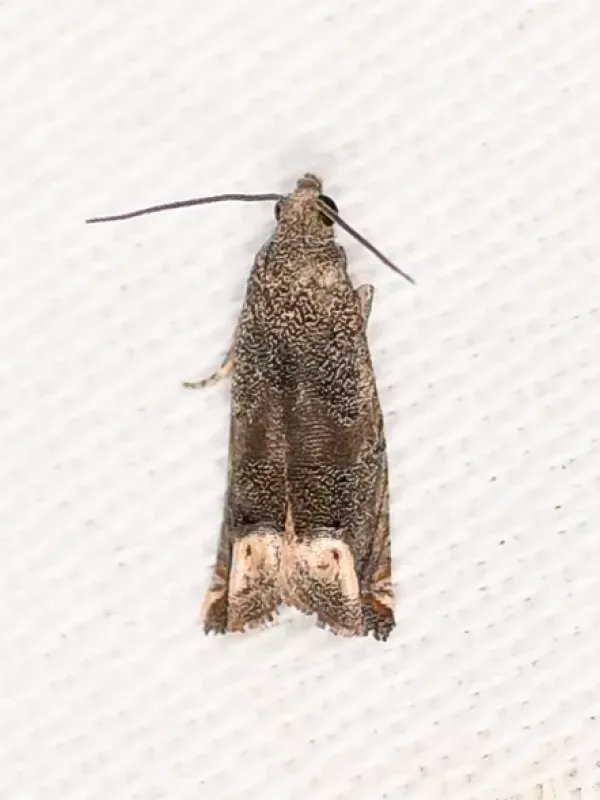
Epiblema strenuana, commonly known as the ragweed borer, is a moth species belonging to the family Tortricidae. Adult moths are relatively small, with a wingspan of approximately 12–15 mm, and possess distinct greyish-brown forewings with cryptic patterns.
The larval stage involves several instars, with caterpillars changing their appearance as they grow. These larvae are highly active and demonstrate an efficient ability to bore into the stems of their host plants shortly after hatching.
The lifecycle of this moth is intimately linked to the family Asteraceae. In favorable weather conditions, the species is multivoltine, meaning it can complete multiple generations within a single growing season, leading to rapid population growth.
Pupation typically occurs inside the stems of host plants, where the insect is protected from environmental stressors and many natural predators. This life strategy makes early detection of the pest quite challenging for farmers.
While the appearance of adult moths is relatively uniform, the most reliable way to identify this species in the field is by observing the specific stem galls formed on weeds, particularly ragweed.
What it damages
The primary food source for the larvae is the genus Ambrosia, especially common ragweed. Due to this host specificity, the insect is studied as a biological control agent for this noxious and invasive weed species.
Direct damage to commercial crops is generally considered accidental or secondary, though high pest pressure can lead to larvae migrating to sunflower fields. In such cases, the economic impact on crop yields can be significant.
Larvae cause damage by tunneling through the interior of the stems, which disrupts the transport of water and nutrients throughout the plant. This physiological stress manifests as stunted growth and lower seed production.
The formation of galls at the site of larval feeding acts as a nutrient sink, diverting resources away from the plant’s reproductive structures and making the plant more vulnerable to secondary infections.
The severity of the damage is often correlated with environmental moisture levels. Fields with poor weed management are at the highest risk, as they provide a bridge for the moth to transition onto agricultural crops.
Signs of infestation
The primary indicator of infestation is the presence of visible galls or swellings on the stems of ragweed or other host plants. These swellings are often located near the nodes or within the mid-sections of the stalks.
Opening a gall will reveal the presence of larvae, frass, or internal tunnels. Small, clean exit holes on the exterior of the stem indicate that the adult moths have already emerged.
Infested plants often display architectural anomalies, such as distorted branching patterns or a loss of apical dominance. These stems become brittle and are prone to breaking under moderate wind pressure.
Adult moths may be observed flying at dusk. Farmers can utilize pheromone or light traps to confirm the presence of this pest and to time potential management interventions effectively.
Localized wilting of the upper part of the plant, without evidence of root-rot, is a strong sign that a larva is actively blocking the vascular system further down the stem.
Control measures
Chemical control is inherently difficult because the larvae spend the majority of their lives protected inside the stems. Insecticides are only effective if applied during the brief window when young larvae are migrating to their entry points.
Agricultural management should prioritize the destruction of weeds before they bloom. Tillage practices that incorporate crop residues deep into the soil can effectively destroy overwintering pupae.
Biological control strategies include preserving populations of native parasitoid wasps and utilizing entomopathogenic fungi, which have shown promise in reducing overwintering larval survival rates.
- Maintain weed-free fields and buffer zones to eliminate the primary host plants.
- Use pheromone monitoring to track adult activity and optimize the timing of integrated controls.
- Employ crop rotation to disrupt the life cycle of the pest.
An integrated approach focusing on cultural practices and biological suppression is the most sustainable way to keep Epiblema strenuana populations below the economic injury level.
Taxonomy
- Latin name
- Epiblema strenuana
- Order
- Lepidoptera (butterflies)
- Family
- Tortricidae
- EPPO code
- EPIBST
Discussion
No discussions yet — be the first.