
Epiblema caroliana
Epiblema caroliana
Description
How to identify
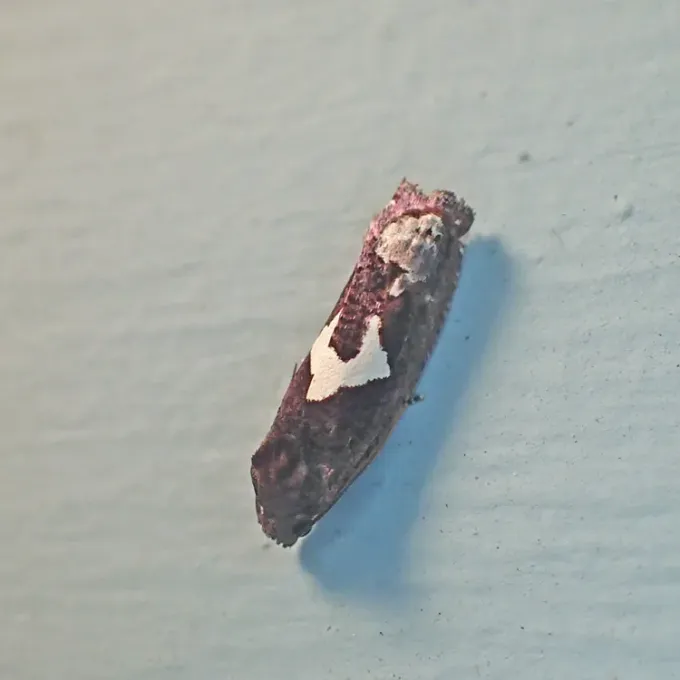
Epiblema caroliana, known as a type of sunflower stem borer, belongs to the Tortricidae family within the order Lepidoptera. The adults are small moths with a wingspan of approximately 15–20 mm, exhibiting cryptic coloration that provides excellent camouflage against plant debris and foliage.
The damage is primarily caused by the larval stage. Throughout its development, the larva undergoes several instars, feeding extensively on the internal tissues of the host plant. The larvae are typically characterized by a dark head capsule and a pale, cylindrical body, common for many stem-boring tortricids.
The life cycle is synchronized with the phenology of the sunflower. Overwintering occurs mainly as pupae or larvae residing in the soil or within old plant stalks, allowing the pest to survive harsh winter conditions and emerge in the spring.
Adult moth activity and subsequent egg-laying usually coincide with the active vegetative stage of the sunflower. Females preferentially deposit eggs on the lower parts of the stem or the root collar area, ensuring immediate access to the plant tissues for the hatching larvae.
Correct identification is crucial for effective management. Field scouts are advised to use pheromone-baited traps to monitor moth flight patterns and confirm the presence of this species, as visual identification of the larvae alone can be difficult due to their internal feeding habit.
What it damages
Sunflowers are the primary host for Epiblema caroliana. The larvae bore into the stems, creating tunnels that disrupt the plant's vascular system, which is vital for the transport of nutrients and water throughout the plant's development.
This internal tunneling causes systemic weakness, reduced photosynthetic efficiency, and impaired transport of assimilates to the seed head. Consequently, infested plants often show stunted growth and decreased seed yields compared to healthy crops.
Damage to the root collar or lower stem is particularly detrimental. Such injury compromises the structural integrity of the plant, frequently leading to lodging, where the sunflower stem snaps under wind pressure or the weight of the developing head.
The tunnels created by the larvae provide easy entry points for various secondary pathogens, including bacteria and fungi that cause stalk rots. This dual attack — mechanical damage from the larva and infection from pathogens — can lead to premature plant death.
The economic impact depends heavily on the timing of infestation. Early-season attacks on young seedlings can result in stand loss, while late-season infestations may primarily reduce seed weight and oil content, affecting the final quality of the harvest.
Signs of infestation
The most visible sign of infestation is the presence of small entry or exit holes on the lower portion of the stem. These are often surrounded by frass (larval excrement) mixed with pith, indicating recent feeding activity.
Plants frequently show signs of flagging or wilting during the hottest parts of the day. This occurs because the larval tunnels have severed the xylem and phloem, preventing adequate water uptake despite sufficient soil moisture.
If a suspected stem is dissected, internal longitudinal or transverse tunnels filled with brown excrement and plant debris will confirm the presence of the borer. The larvae are typically found deep within these galleries.
Localized tissue discoloration, often appearing as brown or necrotic patches around the site of larval entry, is a common symptom. In severe cases, the stem may become distorted or visibly bent at the point of heaviest feeding.
A pattern of patchy distribution across the field often points to a stem borer infestation. Affected plants often display delayed head development and are significantly shorter or thinner than the surrounding non-infested plants.
Control measures
Cultural practices form the foundation of an effective integrated pest management strategy. Crop rotation is essential; by avoiding sunflower planting in the same field for at least three to four years, the population cycle of the borer is disrupted.
Deep plowing in the autumn (fall tillage) is a critical cultural control measure. Burying crop residues deeply helps eliminate overwintering pupae and larvae, significantly reducing the density of the next generation of moths in the spring.
Effective weed control, particularly targeting wild Asteraceae species around field edges, is vital as these plants act as alternate hosts and bridges for the pest population between cropping seasons.
Chemical control must be timed precisely with monitoring. Systemic insecticides can be effective if applied during the period of egg hatching and initial larval movement, before the larvae successfully burrow into the stem tissues where they become protected.
- Selection of sunflower hybrids with inherent stem strength or tolerance.
- Use of pheromone traps to trigger insecticide application at the peak of moth flight.
- Maintenance of clean field borders to eliminate secondary host sources.
- Timely harvesting and immediate destruction of crop stubble post-harvest.
Taxonomy
- Latin name
- Epiblema caroliana
- Order
- Lepidoptera (butterflies)
- Family
- Tortricidae
- EPPO code
- EPIBCA
Discussion
No discussions yet — be the first.