
Epallage
Epallage
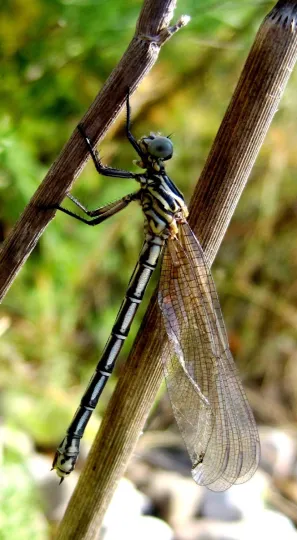
Description
How to identify
Epallage is a genus of damselflies belonging to the family Euphaeidae (order Odonata). Adults are distinguished by their elegant, slender bodies and often dark-pigmented wings.
As predators, both larvae and adults of Epallage occupy niches as insectivores, which distinguishes them from typical agricultural pests that consume plant tissues.
The larvae are exclusively aquatic and thrive in clean, flowing water bodies, serving as biological indicators of the quality of nearby irrigation sources.
Identification of the adult form relies on detailed wing venation patterns and coloration, which are specific to the species within the genus.
The taxonomic classification places them within the suborder Zygoptera, characterized by their wings held parallel to the body when at rest.
What it damages
Epallage does not cause damage to agricultural crops. In fact, they are beneficial insects as they feed on various small invertebrates and other insects found near water.
There is no economic damage threshold for this insect, as they do not feed on leaves, stems, roots, or fruit of cultivated plants.
Concerns about their presence are usually limited to instances where high densities might interfere with aquatic maintenance, but such cases are extremely rare.
Farmers can view Epallage as part of the beneficial entomofauna, as they naturally control populations of other aquatic or shoreline insects.
Since they are not phytophagous, no phytosanitary actions or pest management programs are required for these insects in crop production.
When it appears
The flight period of adult Epallage typically occurs during the warmer summer months, correlating with optimal environmental and water temperatures.
The life cycle involves larval development in water, followed by emergence into adulthood, which usually peaks between late spring and mid-summer.
Seasonal activity is heavily influenced by the flow and quality of the water body, which must remain stable for successful reproduction.
Once the reproductive cycle is complete, the adult population declines naturally as the season progresses toward autumn.
Temperature fluctuations significantly affect the timing of emergence, with warmer years often leading to an earlier appearance of adults.
Signs of infestation
The presence of Epallage is indicated by adult damselflies fluttering near irrigation canals, streams, or standing water features within the farm.
Exuviae (the cast-off skins of the larvae) found on reeds or aquatic plants near the waterline are definitive signs of a local breeding population.
Subtle incisions in plant stems near the water surface may suggest egg-laying activity by female damselflies.
Field observation of adults patrolling the shoreline is the most reliable way to monitor their presence in an agricultural landscape.
The overall biodiversity near water bodies provides a baseline for predicting the likelihood of encountering these insects.
Control measures
No pest control measures are recommended or necessary for Epallage, as they do not pose a threat to agricultural productivity.
Management, if deemed necessary for operational reasons, should focus on maintaining irrigation infrastructure rather than eliminating the insect.
Indiscriminate use of broad-spectrum insecticides is highly discouraged, as it disrupts the beneficial ecological balance they help maintain.
Good agricultural practices, such as proper canal management and vegetation control, naturally regulate their habitats without harming the species.
- Regular maintenance of irrigation canal banks.
- Monitoring of water quality to sustain local ecosystems.
- Avoidance of pesticide drift into water habitats.
- Promotion of biodiversity near agricultural water sources.
Taxonomy
- Latin name
- Epallage
- Family
- Euphaeidae
- EPPO code
- EPALSP
Discussion
No discussions yet — be the first.