
Endothenia oblongana
Endothenia oblongana
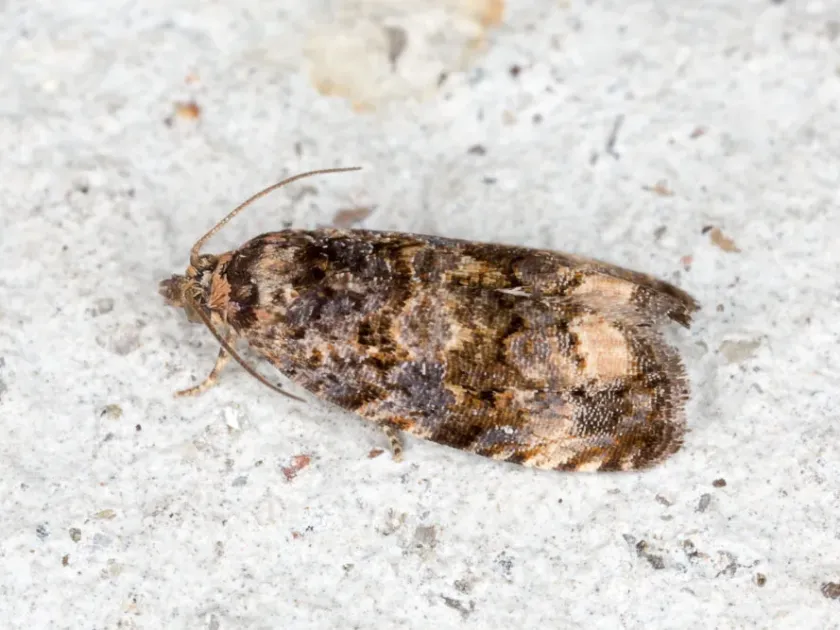
Description
How to identify
Endothenia oblongana is a species of moth belonging to the Tortricidae family, known collectively as leafrollers. These small insects are common in various habitats where their host plants grow.
The adult moth features a specific wing pattern that provides excellent camouflage, making them difficult to detect when resting on foliage during the daylight hours.
Entomologists identify this species through wing morphology and larval characteristics, which are often observed during crop scouting activities in agricultural fields.
The larvae go through several developmental stages known as instars, which are critical periods for both growth and the resulting damage they inflict on the host plant.
Distinguishing Endothenia oblongana from related Tortricid species often requires a high degree of precision and specialized knowledge of local moth biodiversity.
What it damages
This pest is known to affect a variety of herbaceous plants, frequently targeting the reproductive structures where larvae feed on buds, flowers, and developing seeds.
Larval feeding causes significant injury to the floral organs, which can result in the complete failure of seed set or localized fruit deformation in affected plants.
As the larvae burrow into the plant tissues, they create entry points for opportunistic pathogens, leading to secondary fungal or bacterial infections in the damaged areas.
High infestation levels can lead to substantial reductions in crop yield, as the reproductive potential of the plant is directly compromised by the pest's feeding activities.
Economic damage is most severe when infestations occur during critical developmental stages of the crop, limiting the plant's ability to recover from the injury.
When it appears
The life cycle of this moth is heavily influenced by seasonal temperature patterns, which determine the timing of emergence and the number of annual generations.
Endothenia oblongana typically overwinters in the larval stage, protected within cocoons hidden in soil debris or dormant plant tissues until the return of warmer weather.
Adult emergence typically begins in the late spring or early summer, coinciding with the availability of preferred host plants for egg-laying and larval development.
The timing of each generation varies by region, necessitating regular field monitoring to ensure that control measures are applied at the most vulnerable stage of the pest.
Environmental factors such as rainfall and humidity can also impact the survival rates of eggs and larvae, influencing population dynamics throughout the growing season.
Signs of infestation
Signs of infestation include the presence of silk webbing around floral buds, which the larvae use for protection and as a framework for feeding on plant tissues.
Small exit holes or entry points in the flower buds are clear indicators of larval activity, often accompanied by frass accumulation near the site of injury.
Wilting and premature browning of flowers or flower stalks are common symptoms of internal feeding damage, often visible even before the pest is directly observed.
Monitoring using pheromone traps can effectively detect the presence of male moths, providing an early warning system for farmers to inspect crops for eggs.
Careful inspection of the canopy or flower clusters often reveals the larvae, which typically display quick, thrashing movements when disturbed or exposed.
Control measures
Integrated Pest Management (IPM) is the most effective approach to controlling Endothenia oblongana, combining cultural, biological, and chemical methods.
Cultural practices, such as removing crop residues and weeding surrounding areas, are essential to destroy overwintering sites and reduce future population pressure.
Biological control options, including the use of entomopathogenic bacteria or naturally occurring predators, can help maintain population levels below economic thresholds.
Chemical control should be reserved for periods when monitoring indicates high pressure, focusing on the timing of larval emergence before they seek protection inside buds.
- Tillage of soil after harvest to bury and destroy larvae.
- Use of pheromone traps for monitoring and early detection.
- Application of selective insecticides to minimize impact on beneficial insects.
- Rotation of crops to disrupt the pest's life cycle.
Taxonomy
- Latin name
- Endothenia oblongana
- Order
- Lepidoptera (butterflies)
- Family
- Tortricidae
- EPPO code
- ARGPOB
Discussion
No discussions yet — be the first.