
Elytroteinus
Elytroteinus
Description
How to identify
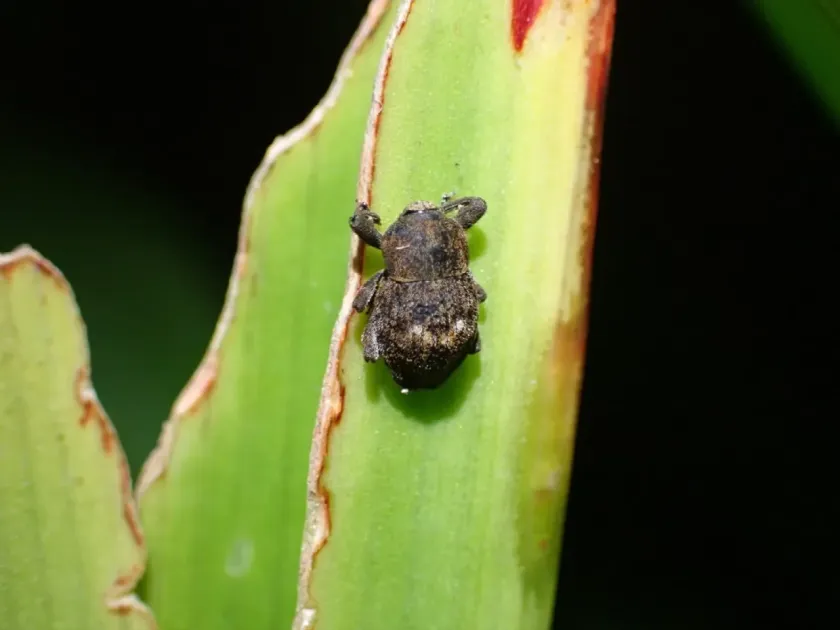
Elytroteinus is a genus of weevils belonging to the family Curculionidae within the order Coleoptera. These beetles are characterized by their elongated snout, known as a rostrum, which is specialized for feeding and oviposition within plant tissues.
The adult weevils are typically robust and exhibit a cryptic lifestyle, often blending into their environment due to their dark brown or black coloration. This makes them difficult to spot during routine field inspections.
Like other Curculionidae, Elytroteinus undergoes a complete life cycle, including egg, larva, pupa, and adult stages. The larvae are legless, white, and possess a well-developed head capsule designed for boring into plant parts.
These pests are primarily found in tropical and subtropical regions where warm climates facilitate their reproduction throughout the year. Their ability to colonize various rhizomatous plants makes them significant agricultural threats.
Taxonomic classification of Elytroteinus requires detailed morphological analysis, as many species within the family share similar features. Molecular tools and expert identification are often necessary to pinpoint the specific pest species present in an area.
What it damages
Elytroteinus is recognized as a serious pest of rhizomatous crops such as ginger and turmeric. The larvae cause significant harm by boring into the rhizomes, creating extensive galleries that destroy the plant's internal structure.
Feeding damage by the larvae directly reduces the weight and quality of the rhizomes, leading to substantial yield losses. The loss of plant vigor due to damaged rhizomes makes crops more susceptible to environmental stress.
The tunnels created by larvae serve as entry points for secondary pathogens, including various bacteria and fungi. This often leads to severe rhizome rot, rendering the harvested produce completely unmarketable.
Outbreaks are frequently triggered by the use of infested planting material. Because the larvae remain hidden inside the rhizome, growers may inadvertently introduce the pest into previously clean fields.
- Mechanical destruction of internal rhizome tissues.
- Facilitation of fungal and bacterial infections.
- Significant reduction in crop yield and market value.
- Increased risk of crop loss during storage due to rot.
Signs of infestation
The most prominent sign of an Elytroteinus infestation is the presence of small, circular holes on the surface of the rhizome or at the base of the stem. These are exit or entry points for the adult weevils.
Symptoms in the aerial parts of the plant include yellowing of leaves (chlorosis), stunted growth, and premature wilting. In cases of severe infestation, the stems may break at the base due to internal damage.
When an infested rhizome is cut open, internal galleries filled with larval frass (excrement) become visible. The affected tissues often show signs of discoloration and emit a foul smell caused by rotting.
Monitoring efforts should focus on observing adult beetles in the early evening hours, as they may congregate at the base of the stems. Their presence is often a strong indicator of an active population in the field.
Systematic scouting involves sampling rhizomes from different sections of the farm. Early detection through these visual checks is critical to preventing the rapid spread of the pest across the cultivation area.
Control measures
The first line of defense is the use of pest-free planting material. Growers should conduct thorough inspections and apply thermal treatments or chemical dips to rhizomes before planting to eliminate latent infestation.
Crop rotation is essential for breaking the pest's life cycle. Avoiding continuous cultivation of susceptible hosts on the same plot for multiple years significantly limits the population density of the weevil.
Chemical control involving soil-applied insecticides can be effective if timed correctly with the pest's life cycle. However, systemic insecticides should be prioritized to target larvae that are protected deep within the rhizomes.
Good agricultural practices, such as deep plowing and the immediate removal of post-harvest residues, help destroy potential overwintering sites and reduce the number of emerging adults for the next cycle.
Biocontrol agents, such as entomopathogenic fungi or nematodes, are increasingly being explored as sustainable alternatives to traditional pesticides for managing soil-borne and internal pests like Elytroteinus.
Taxonomy
- Latin name
- Elytroteinus
- Order
- Coleoptera (beetles)
- Family
- Curculionidae
- EPPO code
- ELYTSP
Discussion
No discussions yet — be the first.