
Electric eel
Electrophorus electricus
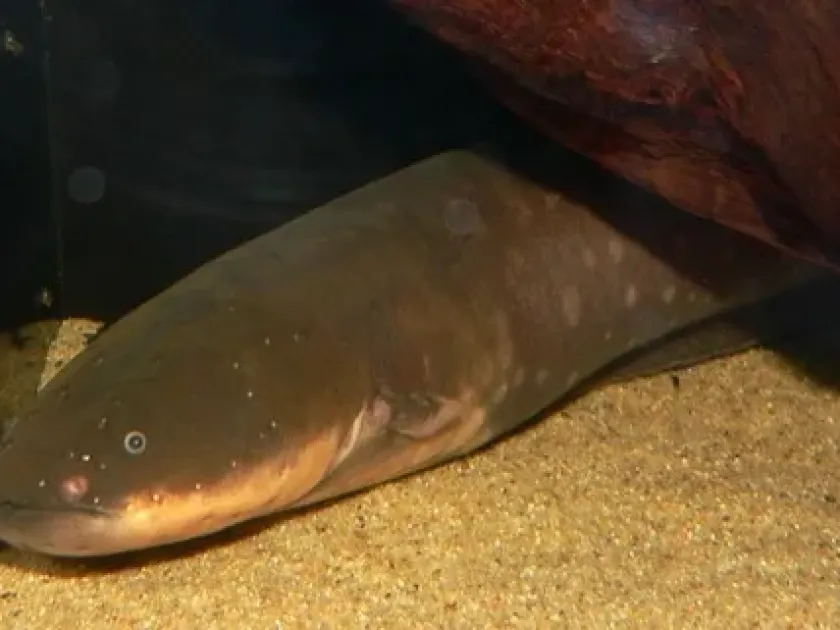
Description
How to identify
The electric eel (Electrophorus electricus) is a member of the Gymnotidae family. Despite its common name, it is a knifefish rather than a true eel.
It is capable of generating significant electric discharges, which defines its unique biology and interactions with human infrastructure.
In the context of agricultural management, this species is identified as a threat to hydraulic infrastructure in flooded farming zones.
The anatomy of the fish includes specialized electric organs, making it a highly unusual organism to manage within rural water networks.
Its survival strategy in oxygen-poor waters allows it to thrive in neglected drainage systems that are often found on the perimeter of farms.
What it damages
The primary agricultural damage is not to crops directly but to the vital infrastructure that sustains irrigation for field crops like rice.
Electric discharges interfere with sensitive electronic control panels, often causing irreversible hardware damage to pumping systems.
The physical presence of large specimens can clog suction pipes and damage the fine-mesh filters necessary for maintaining water quality.
Operational downtime caused by these fish results in significant economic losses for farms relying on precision irrigation schedules.
Furthermore, their burrowing activity can weaken the structural integrity of earthen dams and canal walls, leading to leakage issues.
When it appears
The risk of encountering these animals is highest during the wet season, when floodwaters facilitate their movement into irrigation networks.
Increased water levels allow the eels to migrate from natural river basins into human-made channels and farm reservoirs.
Warm water temperatures characteristic of the peak growing season promote high activity levels, making them more aggressive and mobile.
As the dry season approaches, eels tend to retract into deeper pools, reducing the immediate threat to surface agricultural infrastructure.
Proper planning of seasonal maintenance should account for these migrations, especially when opening floodgates for irrigation control.
Signs of infestation
A primary indicator of infestation is recurring electrical failure in water management hardware, often misdiagnosed as standard wear and tear.
Observing large, serpentine ripples in irrigation canals during quiet periods suggests the presence of a mature individual in the channel.
Damaged protective grilles at water intake points serve as a clear sign that the fish has attempted to enter restricted pumping zones.
Sudden localized water turbidity combined with dead aquatic life in the channel indicates an active predator hunting nearby.
Monitoring system logs for abnormal voltage spikes can serve as a diagnostic tool for identifying electrical interference caused by the eels.
Control measures
Installing high-tensile steel mesh at all intake points is the most effective physical barrier against large specimens.
Ensuring that all electronic control components are properly shielded and grounded is critical to preventing damage from electric shocks.
Regular dredging of irrigation canals removes the soft sediment preferred by the eels, making the habitat less hospitable for them.
Implementing ultrasonic deterrents can effectively keep these sensitive organisms away from vulnerable hydraulic infrastructure.
For areas with severe infestation, local authorities should be contacted to coordinate professional trapping and relocation of the individuals.
Taxonomy
- Latin name
- Electrophorus electricus
- Family
- Electrophoridae
- EPPO code
- ELECEL
Discussion
No discussions yet — be the first.