
Eidophelus
Eidophelus
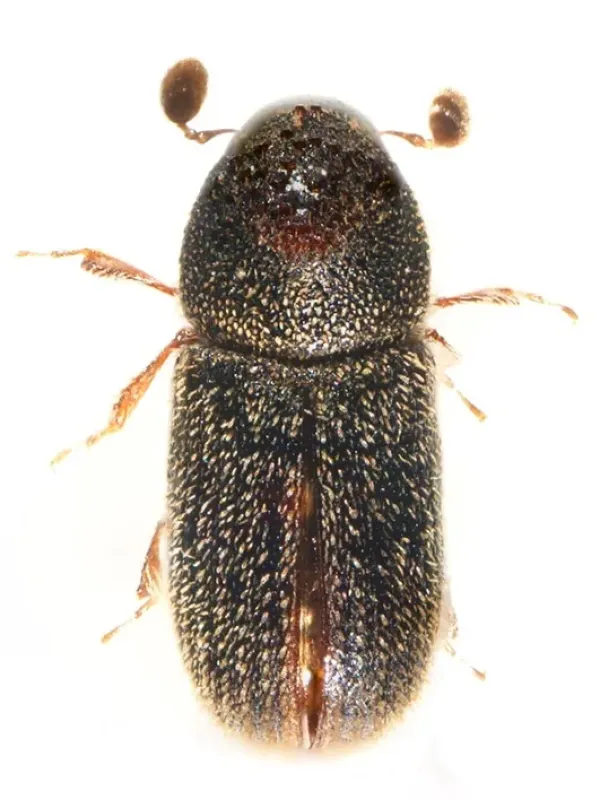
Description
How to identify
Eidophelus is a genus of weevils belonging to the family Curculionidae. These insects are classified within the group of bark and ambrosia beetles, known for their specific behavioral patterns within plant stems and woody tissues.
The adult beetles are typically small with cylindrical, hardened bodies adapted for tunnel construction. Their coloration ranges from dark brown to black, allowing them to remain camouflaged on the bark or stems of their host plants.
Morphological identification requires a detailed examination of antennal structure and the shape of the pronotum. Because of their cryptic lifestyle, they are rarely seen on the surface of plants during the larval stage.
The life cycle of Eidophelus is deeply integrated with the host plant, where they undergo their entire development. This life strategy provides them with protection from most environmental hazards and predators.
These insects are generally active in moderate climates, with peak activity coinciding with the optimal growth phases of their host plants, which facilitates the establishment of new colonies.
What it damages
This pest mainly targets the stems, twigs, and small branches of various shrubs and certain woody plants. The damage is primarily caused by larvae, which tunnel through the cambium and xylem layers.
Tunneling activities disrupt the plant's vascular system, hindering the transport of water and essential nutrients. As a result, the vitality of the affected branches is compromised, leading to wilting.
Secondary infections often exacerbate the damage, as the tunnels created by the beetles serve as entry points for fungi, bacteria, and other pathogens that thrive in the weakened tissue.
Severe infestations result in significant tissue necrosis, which can cause the death of entire branches. In young or fragile plants, such damage can lead to the death of the entire specimen if left untreated.
The cumulative effect of larval feeding manifests as stunted growth, reduced leaf production, and a decline in the overall vigor of the host plant during the growing season.
Signs of infestation
The first external sign of an Eidophelus infestation is the presence of tiny entry holes on the surface of stems. Near these holes, you can often find "frass" or boring dust resembling sawdust.
Visual symptoms include localized chlorosis and premature wilting of foliage on affected branches. Affected shoots may look dehydrated or brittle and can break easily under stress, such as strong winds.
Dissecting the affected branch will reveal distinct larval tunnels packed with excrement. These tunnels can be extensive, causing internal structural failure of the plant tissue.
Evidence of adult emergence is marked by small exit holes in the bark, through which mature beetles escape after completing their life cycle to find new hosts.
General plant decline and an uncharacteristic "dieback" pattern on individual twigs are classic indicators that an internal borer like Eidophelus is present.
Control measures
Sanitation is the most effective management strategy. Any branch showing signs of infestation should be pruned well below the entry points and incinerated immediately to eliminate larvae and prevent further spread.
Cultural control includes maintaining plant health through proper fertilization and irrigation. Stress-free plants produce thicker bark and healthier tissues, making them less attractive and more resistant to boring beetles.
Systemic insecticides can be applied during the peak emergence of adult beetles. These treatments aim to kill the insects before they can successfully penetrate the plant tissue and lay eggs.
Monitoring the adult population using pheromone or sticky traps is recommended for high-value crops to time chemical interventions effectively and minimize the need for prophylactic spraying.
Integrated pest management should be implemented, combining regular inspection, prompt pruning, and targeted chemical applications only when the density of the pest reaches a critical economic threshold.
Taxonomy
- Latin name
- Eidophelus
- Order
- Coleoptera (beetles)
- Family
- Curculionidae
- EPPO code
- EIDPSP
Discussion
No discussions yet — be the first.