
Ecdytolopha
Ecdytolopha
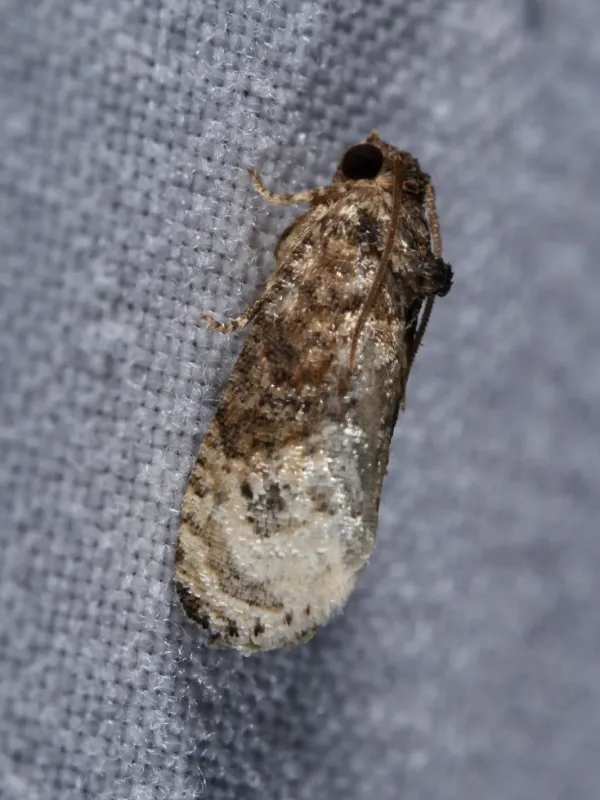
Description
How to identify
The genus Ecdytolopha belongs to the Tortricidae family within the order Lepidoptera. These moths are generally small, with a wingspan of roughly 15–20 mm, exhibiting cryptic coloration that provides excellent camouflage against tree bark and foliage.
The larvae, or caterpillars, have a robust structure with a hardened head capsule. They typically undergo several developmental instars, changing slightly in color and size as they mature, which is often dependent on the specific host plant tissue they inhabit.
The life cycle encompasses a complete metamorphosis, moving through egg, larval, pupal, and adult stages. The duration of these phases is highly dependent on environmental temperature and humidity levels in the orchard ecosystem.
Overwintering typically occurs in the larval stage. They construct protective cocoons made of silk and debris, tucked away in bark crevices, leaf litter, or just below the soil surface at the base of the host tree.
Adult moths are primarily nocturnal or crepuscular, hiding during the day to avoid avian predators. Their flight patterns are short and erratic, focusing on finding mates and suitable oviposition sites on host trees.
What it damages
Members of this genus are significant pests for various woody plants. The most well-known species, Ecdytolopha insiticiana, is known for causing damage to the stems and pods of host plants, leading to weakened tree structures.
Larvae bore directly into fruits or succulent shoots, disrupting the plant's nutrient transport system. This internal feeding makes the damage difficult to detect until significant structural or crop loss has already occurred.
The impact on fruit quality is severe, as boring insects introduce pathogens that cause rapid decay. Damaged fruit becomes unmarketable and often drops prematurely, leading to substantial economic loss for fruit producers.
Young trees are particularly vulnerable, as larval tunneling in terminal shoots can permanently stunt growth and deform the tree's canopy. In severe infestations, repeated attacks can lead to the death of small saplings.
The presence of these pests creates entry points for secondary infections, including fungal rots and opportunistic bacteria, which can spread rapidly through the orchard if left unmanaged.
Signs of infestation
One of the clearest signs of infestation is the presence of frass (larval excrement) pushed out from entry holes in fruits or stems. This often appears as a brownish, granular substance near the surface.
When terminal shoots are attacked, they typically show signs of wilting and flagging. The presence of webbing around the base of the dying shoot is a strong indicator of larval activity within.
Premature fruit drop is a classic symptom of internal larval feeding. Upon inspection, these fruits often show small, clean holes leading into the center, where the caterpillar can be found feeding.
In the dormant season, careful inspection of the lower trunk and root flare may reveal overwintering cocoons, which are camouflaged with bits of bark, making them hard to spot without close scrutiny.
- Entry holes on fruit or stem surfaces.
- Accumulation of frass around damage sites.
- Wilting or flagging of terminal growth.
- Presence of silken webbing on shoots or fruit.
Control measures
Integrated Pest Management (IPM) is the most effective approach. Using pheromone traps to monitor adult moth flight allows growers to time insecticide applications precisely, targeting the egg-hatch stage before larvae burrow into the fruit.
Sanitation is critical. Regularly collecting and disposing of fallen fruit prevents the completion of the life cycle for those larvae inside. Pruning and destroying infested shoots can also significantly reduce the local population.
Biological controls, including the use of Bacillus thuringiensis (Bt) or entomopathogenic nematodes, can provide effective suppression when applied correctly during the early larval development stages.
Chemical control should be used judiciously, selecting narrow-spectrum insecticides to preserve natural enemies such as parasitic wasps and predatory beetles that help suppress pest populations naturally.
Maintaining a healthy orchard environment by reducing stress on trees through proper irrigation and fertilization improves the plant's ability to compartmentalize and recover from minor pest damage.
Taxonomy
- Latin name
- Ecdytolopha
- Order
- Lepidoptera (butterflies)
- Family
- Tortricidae
- EPPO code
- ECDYSP
Discussion
No discussions yet — be the first.