
Eccoptopterus
Eccoptopterus
Description
How to identify
The genus Eccoptopterus belongs to the order Coleoptera and the family Curculionidae, specifically the subfamily Scolytinae. These insects are commonly known as bark or ambrosia beetles, notorious for their wood-boring activities.
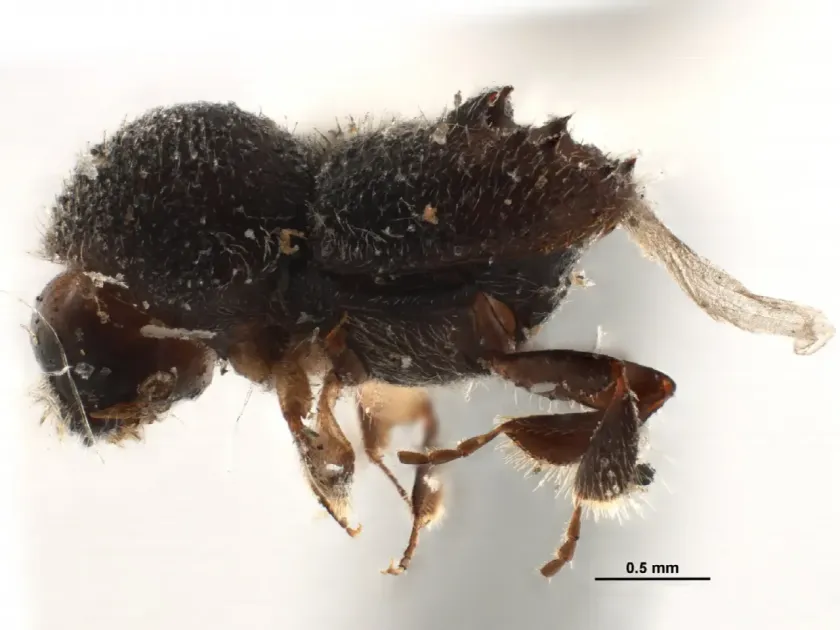
Morphologically, these beetles are small, cylindrical in shape, and typically dark brown or black. This body structure allows them to navigate narrow galleries created inside the wood of their host trees with ease.
A defining characteristic of this genus is the symbiotic relationship with ambrosia fungi. The beetles cultivate these fungi within their tunnels to provide a nutritional food source for their developing larvae.
The life cycle encompasses four main stages: egg, larva, pupa, and adult. Most of their development takes place hidden deep inside the wood, protecting them from many external predators and environmental factors.
Breeding usually occurs in weakened or stressed trees. The female initiates the construction of the gallery system, after which she deposits eggs, starting a new generation that continues the cycle of wood degradation.
What it damages
This pest primarily attacks various deciduous and sometimes coniferous tree species. It is particularly dangerous in forest plantations and orchards, especially when trees are under physiological stress from drought or improper maintenance.
The primary damage is caused by the physical destruction of the wood tissue and the introduction of pathogenic fungi. These fungi colonize the tunnels and interfere with the tree's nutrient and water transport system.
As the conductive vessels of the tree are blocked or destroyed, the tree begins to lose vigor. Left unchecked, the infestation can lead to branch dieback or the total death of the tree within one or two seasons.
Economic impact is significant in nursery management and wood production. Once a tree is colonized, it becomes an attractive site for secondary pests, compounding the damage and accelerating the decline of the plant.
The severity of the damage often depends on the overall health of the host. Healthy trees may produce sap to repel the invaders, but a high-density attack by Eccoptopterus can overcome even robust defenses.
Signs of infestation
The most recognizable sign of an infestation is the presence of small, round entry holes on the bark surface. These are often accompanied by piles of frass, known as "boring dust," which collects in bark crevices.
Foliage symptoms include premature yellowing, wilting, and thinning of the crown. These symptoms reflect the tree's inability to maintain its water supply due to internal gallery construction.
When the bark is carefully peeled back, one can observe complex tunnel networks. These galleries are often stained dark by the fungi introduced by the beetles, distinguishing them from other insect damage.
In some cases, the tree may exhibit sap flow or gumming around the entry points as an attempt to expel the invaders. Bark loosening or cracking is typically a sign of advanced infestation and significant wood decay.
- Small entry holes in the bark.
- Accumulation of fine wood dust (frass).
- Premature wilting of leaves or needles.
- Dark, stained gallery patterns in the wood.
Control measures
Cultural practices are the first line of defense. Ensuring proper irrigation, balanced fertilization, and avoiding physical injury to trees help maintain the natural resistance of the plants against beetle attacks.
Sanitation is crucial: all infested branches or dead trees must be removed and destroyed immediately. This prevents the emergence of new adult beetles and stops the further spread of the population within the garden.
Chemical control involving systemic insecticides can be applied as a preventive or curative measure. Treatments are most effective when applied during the peak flight period of the adult beetles before they bore into the bark.
Monitoring using pheromone-based traps is highly recommended to detect the presence of Eccoptopterus early. Early detection allows for targeted interventions, which are significantly more effective than broad-spectrum treatments.
Integrating biological controls and maintaining overall ecosystem health is the sustainable approach to managing these wood-boring pests, reducing the reliance on aggressive chemical applications over time.
Taxonomy
- Latin name
- Eccoptopterus
- Order
- Coleoptera (beetles)
- Family
- Curculionidae
- EPPO code
- ECCOSP
Discussion
No discussions yet — be the first.