
Dugesia dorotocephala
Dugesia dorotocephala
Description
How to identify
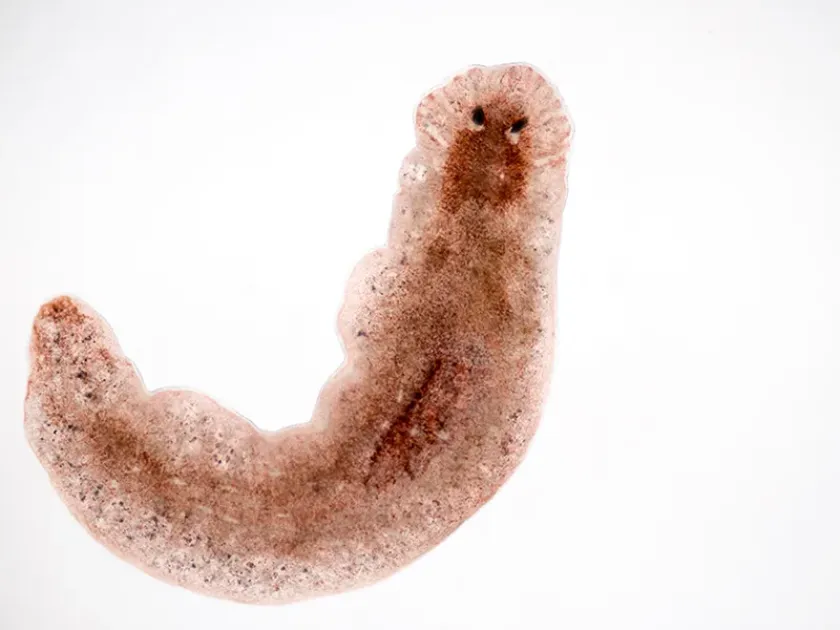
Dugesia dorotocephala is a species of freshwater planarian belonging to the phylum Platyhelminthes. Adult specimens typically measure between 10 and 20 millimeters and are distinguished by a triangular-shaped head with prominent auricles and a pair of eyespots.
The body is dorsoventrally flattened, often displaying gray, brown, or black pigmentation, allowing it to blend effectively into submerged substrates. These organisms possess remarkable regenerative capabilities, enabling them to survive under various environmental stressors.
These flatworms primarily inhabit areas with low-velocity or stagnant water. They are highly sensitive to water quality indicators, specifically dissolved oxygen levels and organic load, which dictate their ability to thrive in a specific system.
They move using cilia covering their ventral surface and a secretion of mucus. This slime trail is characteristic and often accumulates on the roots of hydroponic plants, serving as a primary indicator of their presence.
Reproduction occurs through both sexual means and fission. This asexual method allows for rapid population explosions within a closed agricultural system, such as a hydroponic or aquaponic unit.
What it damages
In agronomic and horticultural applications, Dugesia dorotocephala acts as a pest by compromising the root integrity of young plants. They physically graze on root hairs and sensitive tissue, hindering nutrient uptake.
By consuming root tissue, these planarians facilitate the entry of secondary pathogens. The mucus produced by the worms fosters anaerobic conditions and bacterial proliferation around the root zone, leading to root rot.
Plants affected by these flatworms show stunted growth, yellowing foliage (chlorosis), and overall decreased vigor. In severe cases, the damage to the root system is irreversible, leading to total plant failure.
The presence of these worms disrupts the rhizosphere environment. They compete for resources and alter the chemical composition of the nutrient solution, which negatively impacts the plant's metabolic efficiency.
Furthermore, in large-scale systems, the accumulation of planarian biomass can clog irrigation emitters and filtration components, causing mechanical failures that threaten the entire crop yield.
Control measures
Maintaining high sanitary standards is the most effective preventative measure. Regular cleaning of reservoirs and the removal of organic debris prevent the buildup of food sources required by the planarians.
Mechanical control using specialized traps baited with protein-based substances is a highly recommended approach. This allows for the capture of adults without introducing harsh chemicals into the water system.
Biological control methods are often limited in industrial settings, though strict management of environmental parameters such as oxygen levels can discourage population growth.
In cases of heavy infestation, specific anthelmintic treatments may be used, though these must be carefully selected to avoid phytotoxicity to the hydroponic crops and to prevent disrupting the nutrient solution chemistry.
Preventative strategies include treating growth media and disinfecting all incoming equipment. Vigilant monitoring during the seedling stage is crucial to prevent early-stage colonization by the flatworms.
Taxonomy
- Latin name
- Dugesia dorotocephala
- Family
- Planariidae
- EPPO code
- DUGEDO
Discussion
No discussions yet — be the first.