
Dorylaimus
Dorylaimus
Description
How to identify
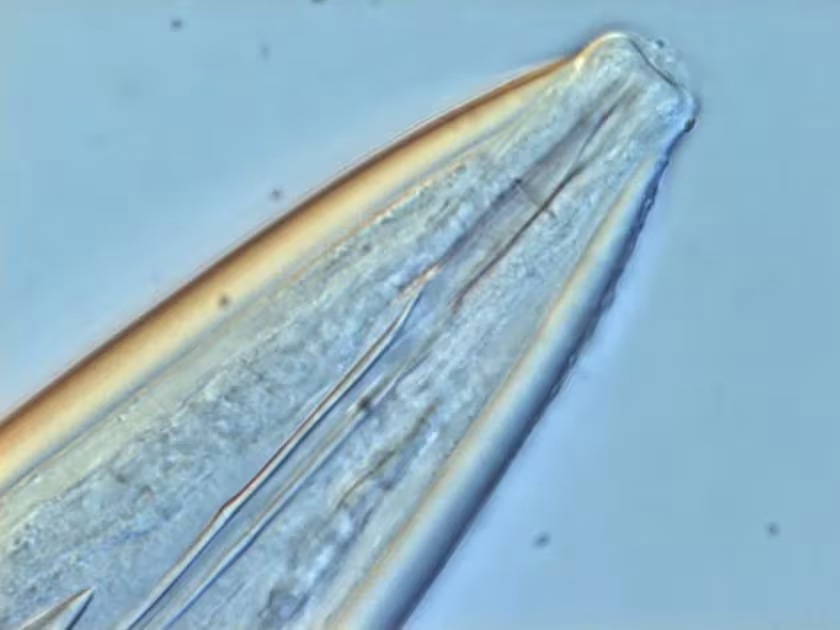
Dorylaimus is a genus of free-living soil nematodes belonging to the order Dorylaimida and the family Dorylaimidae. These organisms are commonly found in moist soil environments globally.
The genus is characterized by a long, spear-like stylet, which is a specialized mouthpart used for feeding on various soil organic matter, including plant tissues and other microorganisms.
Their life cycle typically involves several developmental stages, during which the larvae undergo molting as they mature within the soil profile.
Dorylaimus nematodes are highly mobile and react quickly to environmental changes, such as soil moisture levels and the concentration of food sources near plant roots.
Accurate species-level identification requires expert microscopic analysis because the morphology of different Dorylaimus species is very similar, making field identification difficult.
What it damages
Dorylaimus nematodes feed on plant root systems, which can lead to significant damage in a wide range of agricultural and horticultural crops when populations are high.
The primary damage occurs through the mechanical piercing of root tissues, which disrupts the integrity of the root surface and compromises the plant's ability to absorb water and nutrients.
These feeding sites become entry points for various soil-borne pathogens, including bacteria and fungi, which often cause further root rot and decay.
Young seedlings are particularly vulnerable, as their developing roots lack the protective layers necessary to withstand continuous feeding pressure from high nematode concentrations.
Ultimately, these activities result in stunted growth, reduced biomass, and significant yield losses, requiring targeted intervention from farmers and agronomists.
Signs of infestation
The presence of a high population of Dorylaimus is often indicated by patches of uneven crop growth where plants exhibit reduced vigor compared to surrounding areas.
Leaves of infected plants often show early symptoms of nutrient deficiencies, such as yellowing or chlorosis, despite adequate fertilization programs.
Plants may show signs of temporary wilting during peak sunshine hours, as the damaged root system is unable to keep up with the plant's water transpiration demands.
Root systems may exhibit visible lesions, necrosis, or irregular darkening, which are clear indicators of stress caused by nematode feeding and subsequent microbial invasion.
Increased susceptibility to drought stress is a classic sign of root-level damage, as the plant struggles to maintain water uptake from deeper soil layers.
Control measures
Effective control starts with implementing a robust crop rotation strategy, which helps disrupt the life cycle of the nematodes by removing their preferred host plants.
Maintaining optimal soil moisture is crucial, as avoiding waterlogged conditions can significantly reduce the mobility and reproductive success of the nematode population.
Practicing thorough sanitation, including the prompt removal of crop debris after harvest, eliminates critical overwintering sites and reduces the next season's infestation.
The use of biological control agents, such as nematode-trapping fungi or beneficial soil bacteria, provides a sustainable approach to suppressing Dorylaimus without chemicals.
- Regular soil aeration to improve structure and reduce excess moisture.
- Planting specific cover crops with nematicidal properties.
- Routine soil testing to monitor population density before planting.
- Disinfecting greenhouse substrates to prevent nematode outbreaks.
Taxonomy
- Latin name
- Dorylaimus
- Order
- Nematodes
- Family
- Dorylaimidae
- EPPO code
- DORYSP
Discussion
No discussions yet — be the first.