
Diostrombus
Diostrombus
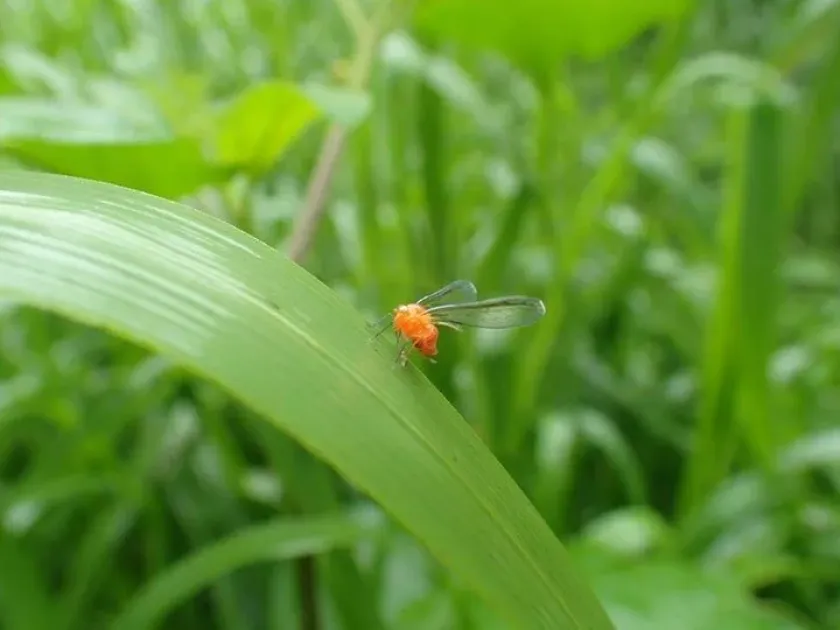
Description
How to identify
Diostrombus is a genus of insects within the order Hemiptera, belonging to the family Derbidae. These small insects, often resembling planthoppers, are characterized by their delicate appearance and distinct wing venation.
Adult specimens are identified by the specific shape of the head and the arrangement of veins on their wings. They possess a slender body, well-developed jumping legs, and a specialized proboscis designed for piercing plant tissues.
The nymphs of this genus typically lead a cryptic lifestyle, inhabiting the soil surface or residing beneath plant debris. Their development involves gradual metamorphosis, passing through several larval instars before reaching adulthood.
Adult coloration typically ranges from light yellow to brownish, providing excellent camouflage on the stems of host plants. Due to their small size, usually only a few millimeters, these insects often go unnoticed during casual field inspections.
The taxonomic classification of the genus is firmly placed within the superfamily Fulgoroidea, though detailed study of specific species requires expert entomological analysis of morphology and ecological habits.
What it damages
The primary hosts for Diostrombus include cereal crops, most notably rice (Oryza sativa). The harm caused by these insects stems from direct mechanical damage to plant tissues during feeding.
The insects feed by inserting their proboscis into the plant’s phloem and xylem to extract sap. This process severely drains the plant's resources, leading to a loss of turgor pressure and disrupted photosynthetic activity.
In cases of high infestation, the growth and development of the cereal crop are significantly retarded. This physiological stress reduces the plant’s ability to allocate nutrients to grain formation, resulting in lower yields.
Furthermore, the feeding sites create micro-wounds that serve as entry points for various secondary infections. While the direct role of Diostrombus in virus transmission is subject to further research, the weakened plants are notably more susceptible to fungal pathogens.
Visible damage includes chlorotic spots and progressive leaf wilting. Young shoots at the tillering stage are particularly susceptible to severe damage, which can lead to localized necrosis if not managed promptly.
When it appears
The activity patterns of Diostrombus are largely dictated by regional climate conditions and the phenological stages of the host crops. Warm, humid weather provides the most favorable conditions for their reproduction.
The insect typically completes multiple generations within a single growing season, allowing the population to increase rapidly. Population peaks often align with the most active growth phases of the rice crop.
Adult migration to fields generally commences early in the season when the young plants are most vulnerable. The temperature optimum for the development of most species in this genus is between 25 and 30 degrees Celsius.
As temperatures decline toward the end of the season, insect activity wanes. The insects may enter diapause or move to secondary host plants, such as wild grasses, to survive unfavorable conditions.
Monitoring seasonal population surges is best achieved through light traps or yellow sticky cards. Early detection of adult movement allows farmers to adjust cultivation schedules and apply protective measures efficiently.
Signs of infestation
The first indication of Diostrombus presence is the visual observation of small planthoppers on the undersides of leaves. The adults are highly mobile and will quickly relocate when disturbed, making them difficult to spot without careful inspection.
Leaf surfaces often show small necrotic dots or stippling resulting from the insect's proboscis piercing. Over time, these spots can enlarge and coalesce, leading to significant leaf discoloration.
The production of honeydew is a common indirect sign of infestation. This sugary secretion often promotes the growth of sooty mold, appearing as a dark, sticky film on the leaves, which inhibits light absorption.
General crop malaise, characterized by stunted growth and leaf deformation, is a strong indicator of pest pressure. It is essential for agronomists to distinguish these symptoms from nutrient deficiencies during field scouting.
The presence of exuviae (cast-off nymphal skins) on the soil surface or at the base of the stems serves as a definitive sign that a colony has successfully established itself on the field.
Control measures
Effective management of Diostrombus requires an integrated pest management (IPM) strategy that combines cultural practices with chemical interventions. Crop rotation and the systematic removal of wild grasses are vital for reducing pest populations.
The application of systemic insecticides remains the most reliable method for controlling nymphal and adult stages. Treatments should be timed according to economic injury thresholds to ensure maximum efficacy and cost-efficiency.
Biological control efforts should focus on preserving natural predators, such as predatory bugs, spiders, and parasitoid wasps. Enhancing the ecological balance of the field borders helps naturally suppress insect numbers.
Water management is also a critical cultural practice. Proper drainage and preventing excessive soil saturation can disrupt the developmental cycles of certain species, serving as a non-chemical preventive measure.
Continuous monitoring using pheromone or sticky traps provides the data necessary to predict outbreaks. Selecting selective, low-impact pesticides protects beneficial fauna while effectively controlling the target pest population.
Taxonomy
- Latin name
- Diostrombus
- Order
- Hemiptera (bugs, aphids, leafhoppers)
- Family
- Derbidae
- EPPO code
- DIOBSP
Discussion
No discussions yet — be the first.