
Orchid weevil
Diorymerellus laevimargo
Description
How to identify
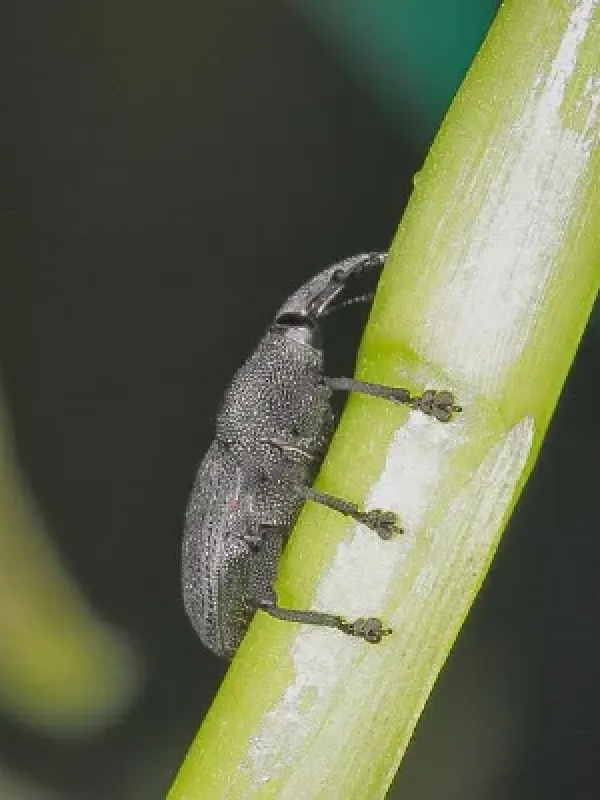
The orchid weevil (Diorymerellus laevimargo) is a small beetle belonging to the Curculionidae family, known for causing significant damage to various species of cultivated orchids.
The adult beetle is typically 2–3 mm long, featuring a shiny black body with a robust exoskeleton, which provides a natural defense against many environmental factors and insecticides.
These insects are nocturnal and exhibit cryptic behavior, often hiding deep within the orchid's leaf axils, underneath the protective scales of pseudobulbs, or buried within the potting medium.
The life cycle involves internal development within the plant tissues. Females lay eggs inside the plant, and the emerging larvae bore through the orchid's structures to feed, completing their growth hidden from view.
When disturbed, these beetles often exhibit thanatosis, meaning they fall from the plant and feign death, making them extremely difficult to detect during standard inspections.
What it damages
The orchid weevil targets a wide range of epiphytic orchids, with Cattleya, Dendrobium, Vanda, and Phalaenopsis being among the most commonly affected genera.
Adult beetles primarily target the reproductive parts of the orchid, feeding on flower buds and blossoms, which often results in the abortion of flowers or unsightly scars on the petals.
Larvae represent a more severe threat because they tunnel into the roots and pseudobulbs, creating internal cavities that weaken the plant's structural integrity and water transport capacity.
Persistent feeding by these pests causes general decline in plant vigor, leading to yellowing leaves, stunted growth, and an increased susceptibility to secondary fungal and bacterial rot.
If not addressed promptly, the cumulative damage leads to the death of individual pseudobulbs or the total loss of the entire orchid specimen.
Signs of infestation
The most noticeable early sign is the presence of small, puncture-like holes on the flower buds, which often appear before the buds have a chance to fully open.
Deformation of new growth and leaves can indicate that larvae are feeding internally, disrupting the plant's metabolic processes and causing twisted or necrotic tissues.
Small, dark sunken spots on pseudobulbs often suggest that an insect has bored into the tissue, creating a site that is prone to opportunistic bacterial infections.
The presence of fine, sticky frass or black fecal pellets on the leaf surfaces or at the base of the plant is a clear indication that adult weevils are active in the area.
- Blackened or rotting unopened flower buds.
- Small boreholes in pseudobulbs and fleshy roots.
- Unexpected loss of floral spikes.
Control measures
The most effective strategy for managing orchid weevil infestations is the use of systemic insecticides, which are absorbed by the plant and kill the insects upon ingestion of plant sap.
Treatments involving imidacloprid-based products are generally effective; however, multiple applications are often required to break the life cycle of the pest.
Manual control through night-time inspection and removal of visible beetles can help suppress populations, especially when combined with a systemic insecticide program.
A strict quarantine policy for all new plants is essential to prevent the introduction of this pest into an established collection, ensuring no beetles are carried in on new stock.
Maintaining proper hygiene by removing dead plant material and keeping the growing area clear of debris can reduce the number of hiding spots available for the beetles.
Taxonomy
- Latin name
- Diorymerellus laevimargo
- Order
- Coleoptera (beetles)
- Family
- Curculionidae
- EPPO code
- DIOYLA
Discussion
No discussions yet — be the first.