
Dicyrtomina
Dicyrtomina
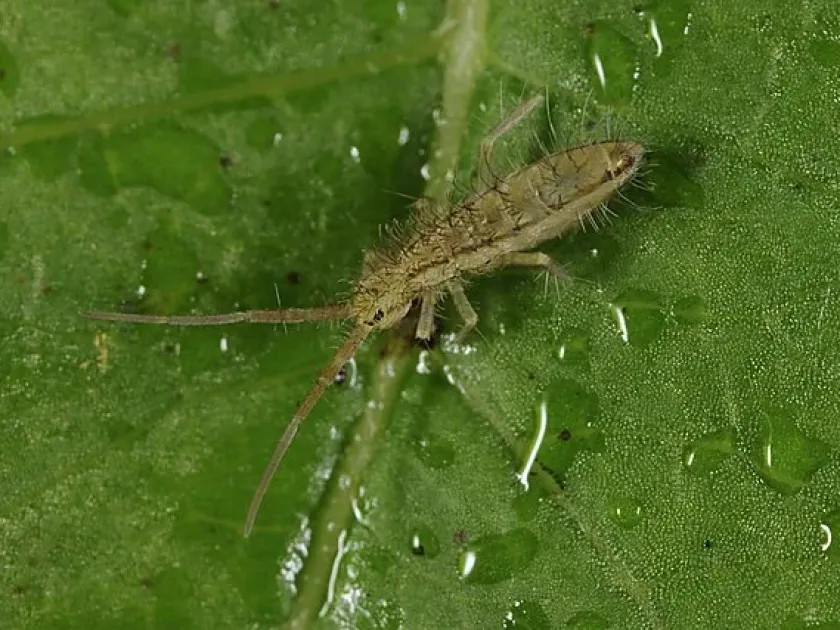
Description
How to identify
Dicyrtomina is a genus of globular springtails belonging to the order Collembola and the family Dicyrtomidae. These tiny arthropods are distinguished by their round bodies and specialized jumping organ known as the furcula.
They are primarily soil-dwelling organisms, often found in humid environments rich in decaying organic matter, which is their natural habitat and primary food source.
Adult Dicyrtomina are typically characterized by their distinctive, often patterned or brightly colored exterior, making them identifiable under a macro lens or microscope.
Despite their small size, usually measuring less than 2 mm, their ability to jump when disturbed makes them noticeable to observant gardeners or greenhouse managers.
Their morphological structure, specifically the lack of a long, elongated body typical of other springtails, helps in distinguishing them within the Collembola group.
What it damages
While Dicyrtomina generally feeds on fungi and decomposing organic debris, it can become a significant pest when populations explode in a greenhouse or seedling trays.
When organic matter is scarce, these pests begin to feed on the tender roots, stems, and hypocotyls of young seedlings, causing severe damage and stunting growth.
The holes chewed by these springtails on tender seedling leaves or stems facilitate the entry of pathogens, which leads to secondary infections like damping-off disease.
Ornamental plants and vegetable seedlings are at the highest risk, especially in the first few weeks after germination when the tissues are highly succulent and vulnerable.
In cases of heavy infestation, the root system is systematically destroyed, leading to the yellowing of leaves and, in extreme cases, the total death of the crop.
When it appears
Dicyrtomina thrives in conditions of high humidity, meaning they remain active throughout the year in controlled greenhouse environments with poor drainage.
The spring season marks the peak activity period as it coincides with the major planting and seedling-raising phase in most gardens and commercial nurseries.
During the warmer months, if the soil is kept constantly wet or if heavy organic mulching is used, the population remains stable and continues to multiply rapidly.
In outdoor garden beds, their activity may decline during very dry, hot periods, but they quickly recover once moisture levels increase through irrigation or rain.
Winter months are spent in the egg or adult stage within the soil profile, waiting for the return of favorable moist conditions to restart their lifecycle.
Signs of infestation
The presence of thousands of tiny insects jumping off the soil surface during a gentle watering session is a classic indication of a severe Dicyrtomina infestation.
Visible feeding damage, such as small, irregular pits on cotyledons or basal stems of seedlings, indicates that the pests are actively feeding on the crop.
Plants may show a lack of vigor and slow growth rates, even when nutrition and lighting parameters are optimal, suggesting underground root damage.
A dusty or white crust on the soil surface, which is often composed of frass and the bodies of the pests, is a reliable visual cue for detecting high population density.
When examining seedling trays, look for small, crater-like cavities in the soil where the springtails cluster during the day to avoid direct light.
Control measures
Effective management begins with soil hygiene, including the sterilization of potting media to eliminate any dormant eggs before sowing seeds.
Adjusting irrigation cycles to allow the top layer of the soil to dry out between waterings is the most effective cultural method to discourage springtail growth.
Using sand or gravel as a top-dressing layer can create a hostile environment for Dicyrtomina, effectively preventing them from reaching the plant stem.
For chemical intervention, contact insecticides or biological control agents (such as predatory mites) can be introduced to manage high-density populations.
- Ensure proper ventilation in greenhouses to reduce humidity.
- Remove any decaying plant debris from seedling areas.
- Use sticky traps placed horizontally on the soil surface.
- Maintain clean and sanitized gardening tools and trays.
Taxonomy
- Latin name
- Dicyrtomina
- Family
- Dicyrtomidae
- EPPO code
- DCYNSP
Discussion
No discussions yet — be the first.