
Diabrotica limitata
Diabrotica limitata
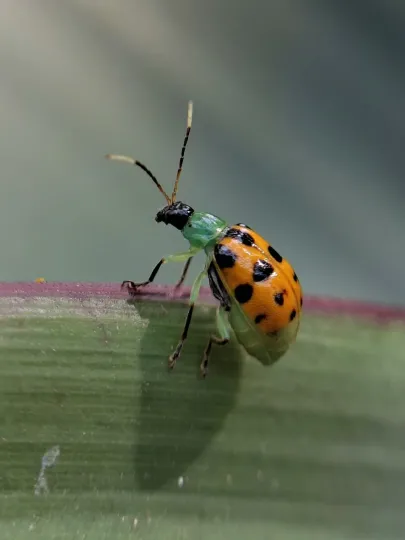
Description
How to identify
Diabrotica limitata is a species of beetle belonging to the family Chrysomelidae (leaf beetles). It is recognized as a significant agricultural pest, particularly in regions where maize is cultivated extensively.
The adult beetle is characterized by its distinct yellowish or greenish coloration, often featuring dark markings on the elytra, which helps in identifying the species.
Typically measuring between 5 to 7 millimeters in length, these beetles have strong legs allowing them to navigate foliage and stalks with ease during their active foraging phase.
The larval stage, which resides in the soil, is cream-colored with a darker head capsule, adapted for feeding on the root systems of host plants beneath the surface.
The life cycle undergoes complete metamorphosis, consisting of the egg, larval, pupal, and adult stages, with each phase having specific ecological requirements.
What it damages
The primary host plants for Diabrotica limitata are grasses, with a strong preference for corn (Zea mays), though they can also infest various leguminous and cucurbit crops.
Adult beetles feed primarily on the aerial parts of the plant, including leaves, pollen, and the silks of the corn ear, which disrupts the natural pollination cycle.
Larvae cause the most significant economic damage by feeding on the root system, which severely restricts the plant's ability to absorb water and essential nutrients.
This root damage leads to stunted growth, reduced yields, and increased susceptibility to environmental stressors such as drought or wind-driven lodging.
In cases of high infestation, the cumulative effect of root and foliage feeding can lead to total crop failure or significant reduction in grain quality.
Signs of infestation
Early signs of adult feeding include elongated, narrow holes or striped damage patterns on the leaves, which can sometimes look like skeletonized tissue.
Poorly filled or uneven corn ears indicate that adult beetles have successfully damaged the silks, preventing efficient fertilization and grain formation.
Unexpected wilting of plants despite adequate soil moisture is a classic indicator that the root system has been compromised by the feeding activity of larvae.
Root systems may appear pruned or stubby when inspected, with visible larvae sometimes found in the surrounding soil during the active growth season.
Lodging (the bending over of stalks) is a hallmark sign of a heavy larval infestation, as the compromised roots can no longer support the weight of the plant.
Control measures
Crop rotation is considered the most effective long-term management strategy, as it interrupts the life cycle of the pest by removing its primary food source.
Chemical control involving foliar insecticide applications during the peak emergence of adults can protect the reproductive structures of the plant.
Seed treatments with systemic insecticides offer proactive protection for young seedlings, effectively reducing larval survival in the early stages of crop development.
Deep autumn tillage can expose pupae and eggs to harsh environmental conditions and predators, thereby reducing the overwintering population density.
- Deploying pheromone-based traps to monitor population spikes.
- Maintaining field hygiene by eliminating weeds that serve as alternate hosts.
- Selecting robust hybrids that exhibit strong root regenerative capabilities.
Taxonomy
- Latin name
- Diabrotica limitata
- Order
- Coleoptera (beetles)
- Family
- Chrysomelidae
- EPPO code
- DIABLI
Discussion
No discussions yet — be the first.