
Diabrotica cristata
Diabrotica cristata
Description
How to identify
Diabrotica cristata is a beetle belonging to the order Coleoptera and the family Chrysomelidae. While related to the more destructive western corn rootworm, this species has its own specific morphological characteristics and distribution patterns within agroecosystems.
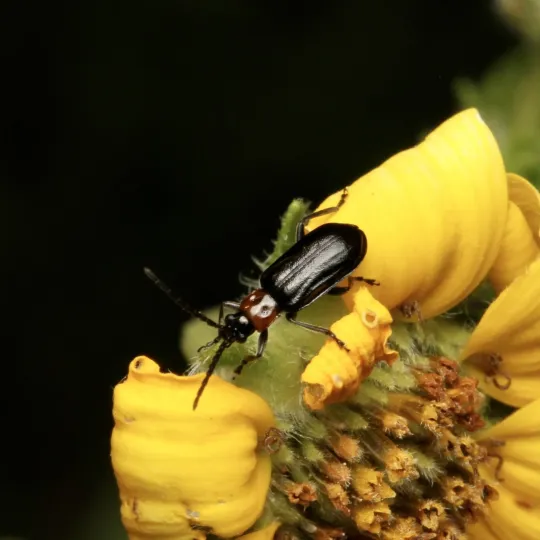
Adult beetles typically feature distinctive pigmentation on their elytra, ranging from yellowish-brown to greenish with prominent longitudinal stripes. The head and pronotum are generally darker, which serves as a reliable marker for field identification.
The larvae are characterized by a slender, whitish body, a darkened head capsule, and developed thoracic legs. They dwell exclusively in the soil, focusing their activity in the rhizosphere of host plants.
The life cycle encompasses four stages: egg, larva, pupa, and adult. The development is highly sensitive to soil moisture and temperature, which dictates the timing and intensity of larval emergence each season.
It is important to note that while Diabrotica cristata primarily inhabits native grasses and wild ecosystems, it can shift its host range to commercial crops under favorable environmental conditions or in intensive monoculture systems.
What it damages
The primary hosts for this pest are members of the Poaceae family. Adult beetles feed on the pollen, silks, and leaf tissue of corn, which interferes with the reproductive processes and vegetative growth of the plants.
Larval feeding is the most damaging phase. Larvae consume fine root hairs and tunnel into larger roots, which severely compromises the plant's ability to uptake water and essential soil nutrients.
The damage caused by root feeding significantly reduces the structural stability of the plant. This makes crops highly susceptible to lodging during high wind events, leading to substantial yield losses.
The destruction of silks and pollen by adults during the silking stage results in poor kernel set and uneven ear development, directly impacting both the quantity and quality of the harvest.
High infestation levels in commercial fields require immediate attention, as the cumulative effect of root destruction and leaf damage can drastically lower the overall productivity of the crop.
When it appears
Adult emergence typically occurs during the summer months, coinciding with the flowering and pollination stages of maize and other cereal crops. This is the period of peak activity for mating and feeding.
After mating, females oviposit in the soil, where the eggs remain throughout the winter. The egg stage is a critical overwintering mechanism that allows the species to survive low-temperature periods effectively.
Larval hatching occurs in the spring when soil temperatures reach optimal thresholds for development. This timing aligns with the early stages of plant growth, making the young crop particularly vulnerable.
Pupation takes place within the soil, usually spanning several weeks in early summer before adults emerge to continue the cycle. Synchronization with crop growth stages is a key biological adaptation of this species.
Monitoring for adults using sticky traps or pheromone lures is recommended to track population dynamics and determine the precise timing for potential insecticide applications.
Signs of infestation
An early sign of adult infestation is the presence of longitudinal, light-colored streaking on leaves caused by the beetles scraping the epidermis and mesophyll tissue.
Widespread lodging of plants after rain or wind events is a strong indicator of severe root system damage caused by larval feeding activity during the growing season.
Incomplete ear filling, missing kernels, or stunted, dry silks are clear diagnostic markers of adult feeding during the critical pollination window of the corn crop.
Root system inspection via excavation often reveals the presence of larvae or characteristic feeding tunnels within the root mass, confirming the species' involvement in plant decline.
- Stunted plant growth and localized yellowing.
- Increased presence of beetles on tassels or silks.
- Reduced plant stand density in specific field areas.
Control measures
Crop rotation is the most effective management strategy for Diabrotica cristata. Breaking the host plant cycle by rotating to non-host crops significantly reduces larval survival rates.
Seed treatments with systemic insecticides provide essential early-season protection for root systems, safeguarding young plants against the initial wave of larval feeding.
Soil-applied insecticides during planting can be utilized in high-risk scenarios where previous records indicate substantial pressure from soil-dwelling pests.
Foliar insecticide applications during the peak adult flight period are recommended to manage population density and prevent further damage to reproductive structures and egg-laying cycles.
Good agricultural practices, including thorough tillage and effective weed management, help to destroy alternative hosts and disrupt the life cycle of the pest across the field landscape.
Taxonomy
- Latin name
- Diabrotica cristata
- Order
- Coleoptera (beetles)
- Family
- Chrysomelidae
- EPPO code
- DIABCR
Discussion
No discussions yet — be the first.