
Debus fallax
Debus fallax
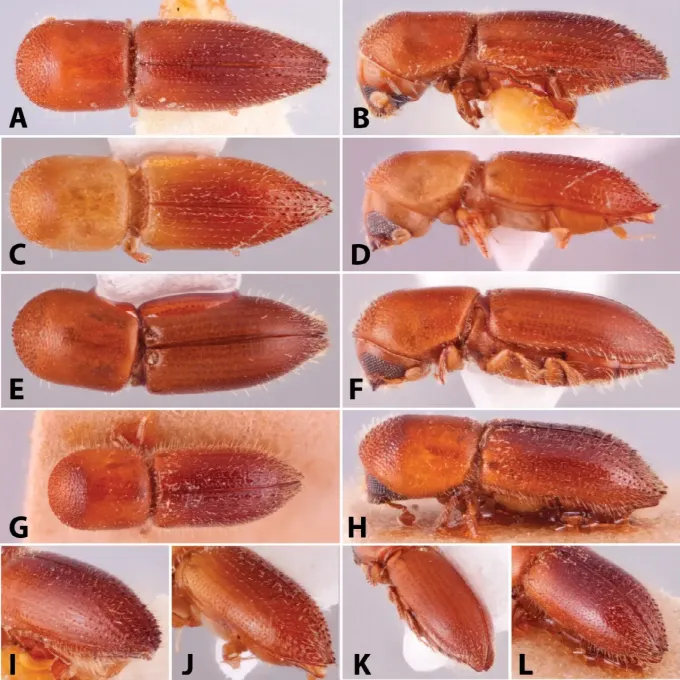
Description
How to identify
Debus fallax belongs to the family Carabidae (ground beetles). While most members of this family are recognized as beneficial predators, this particular species exhibits phytophagous traits, making it a pest of interest in agricultural environments.
The adult insect is a medium-sized beetle with a dark, often metallic or matte exoskeleton. Its body shape is typical of ground beetles, but identification to the species level requires an examination of specific morphological features like the shape of the pronotum and elytral striae.
The life cycle involves complete metamorphosis, including egg, larval, pupal, and adult stages. The insect spends the winter in diapause, hiding within the topsoil or under crop residues to survive cold temperatures.
Larvae are primarily subterranean, often remaining hidden in the root zone. Their development occurs in several instars, during which they feed on underground plant tissues, often causing invisible damage until the symptoms appear above ground.
Correct identification is crucial to distinguish this pest from its beneficial relatives. Farmers are advised to use professional identification guides or consult entomological services when unusual beetle activity is observed in fields.
What it damages
Both adults and larvae are responsible for crop damage. Cereal crops, particularly wheat and barley, are the most frequent targets, as the pest finds optimal food sources in their vegetative and reproductive parts.
Adult beetles primarily damage the ears during the milky to dough stage of grain development. By gnawing on the grains, they reduce both the yield quantity and the overall quality of the harvested produce.
Larval feeding on the root system is particularly detrimental to young plants. This causes stunting, yellowing of leaves, and can lead to thin, uneven stands in the affected parts of the field.
Outbreaks of Debus fallax often occur in patches. If left unmanaged, the population can spread, resulting in significant economic losses that may be difficult to recover during the current growing season.
The wounds inflicted by the pest also create entry points for secondary pathogens, such as fungal infections, which further degrade the health and productivity of the crop.
When it appears
The activity of adults typically begins in the early spring as soil temperatures rise. This is when the beetles emerge from their overwintering sites to begin feeding on young vegetation.
The peak activity period usually occurs during the summer months, coinciding with the development of the reproductive organs of cereal crops. This is the most critical window for surveillance and intervention.
As autumn approaches, activity wanes as the insects prepare for hibernation. They seek shelter in undisturbed soil, field margins, or heaps of straw and debris left over after harvesting.
Environmental factors like soil moisture and ambient temperature significantly influence the timing of their emergence and development rates, making local monitoring indispensable for effective management.
Understanding these seasonal patterns allows for the strategic implementation of control measures, focusing on the periods when the pest is most active and vulnerable to treatment.
Signs of infestation
Early signs of an infestation include the sight of beetles around the base of the stems during the morning or evening hours. During the day, they often burrow into the soil to escape heat.
Visually, damaged grain ears showing chewed or hollowed kernels are clear indicators of adult feeding. If such symptoms are noted, inspections of the canopy are necessary to confirm the pest's presence.
Sudden wilting or "patchy" development of young crops often signals the presence of larvae in the root zone. Excavating soil samples in affected areas can help confirm if the roots have been compromised.
Using pitfall traps or light traps is a recommended method for monitoring population dynamics. This data helps in making informed decisions regarding the necessity and timing of insecticide applications.
Regular field scouting, especially during the boot stage of wheat, is essential for identifying potential hotspots before the population reaches an uncontrollable level.
Control measures
Cultural control is the most effective approach to managing Debus fallax. Deep plowing of the soil after harvest is highly recommended as it disrupts the overwintering sites and reduces larval populations.
Crop rotation plays a pivotal role in limiting the population. Planting non-host crops in the rotation cycle helps break the life cycle of the pest, starving out the localized populations.
Chemical control should be used judiciously and only when the pest density exceeds the established economic threshold. Selecting insecticides with low impact on beneficial insects is preferred.
Maintaining clean field borders by eliminating weeds and crop debris removes essential hiding places and secondary food sources for the beetles.
Integrated Pest Management (IPM) strategies, which combine cultural, mechanical, and cautious chemical interventions, provide the most sustainable path to keeping Debus fallax under control without causing environmental damage.
Taxonomy
- Latin name
- Debus fallax
- Order
- Coleoptera (beetles)
- Family
- Curculionidae
- EPPO code
- DEBUFA
Discussion
No discussions yet — be the first.