
Dascillus
Dascillus
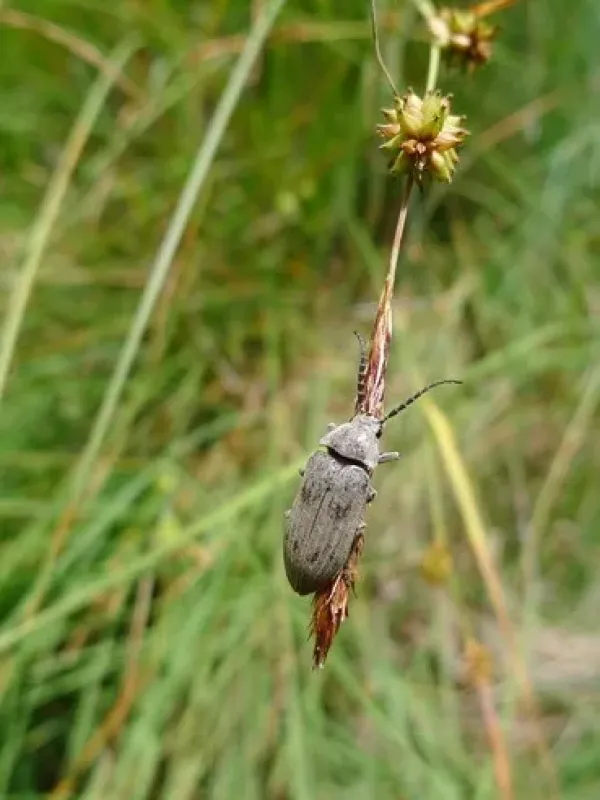
Description
How to identify
Dascillus is a genus of beetles belonging to the family Dascillidae, known for their distinct morphology and soil-dwelling larval stages.
The adult beetles are characterized by a dense covering of fine hairs on their bodies, which gives them a soft, velvet-like appearance.
They are generally medium-sized and possess a color range spanning from dark brown to black, making them inconspicuous in natural settings.
The larvae are typically C-shaped, similar to those of scarab beetles, with a well-developed head and mouthparts adapted for feeding on roots.
The life cycle of these insects is deeply influenced by soil moisture, as they require specific conditions to survive the larval development stages.
What it damages
The primary damage is caused by the subterranean larvae, which feed on the root systems of various agricultural and ornamental plants.
Crop species such as cereals, legumes, and certain grasses are particularly susceptible to root damage, which stunts plant growth.
By consuming the fine root hairs and main roots, the larvae prevent the plant from absorbing essential nutrients and water, often leading to total wilting.
Adult beetles may feed on foliage and flowers, causing minor mechanical injury, but this usually results in less economic loss than larval feeding.
High larval populations in the soil can result in patchy stands and significant yield loss in infested agricultural fields.
When it appears
Adult activity typically peaks during the early summer, coinciding with mating and oviposition processes in the soil surface layers.
Larval development is often a long-term process, with larvae remaining active in the soil throughout the growing season.
The spring months are critical for plant damage as larvae resume active feeding following the winter dormancy period.
Monitoring for adults during the flight period is essential for forecasting potential larval pressure in the subsequent crop cycle.
Soil temperature and humidity are the most important environmental factors regulating the survival rate of the next generation.
Signs of infestation
Visible signs of Dascillus infestation include sudden patches of wilting or stunted plants that do not respond to supplemental irrigation.
Exposing the root zone during inspection often reveals the presence of C-shaped larvae near the damaged root structures.
Affected plants may exhibit chlorosis and general weakness as their ability to transport water from the soil is compromised.
Secondary infections, such as root rot, often settle in the areas where larvae have damaged the root epidermis.
- Patchy or thinning crop emergence in the field.
- Premature wilting of plants despite adequate soil moisture.
- Discovery of larvae during routine soil inspections.
Control measures
Effective crop rotation is the cornerstone of managing Dascillus populations, as it disrupts the availability of preferred host plants.
Deep autumn tillage is highly effective in exposing larvae to surface-level predation and harsh environmental conditions.
Chemical control measures, such as soil insecticides, should be applied based on threshold counts to minimize environmental impact.
Biological control, including the use of entomopathogenic nematodes or fungi, provides a sustainable alternative for long-term population suppression.
Good field sanitation and weed management practices reduce the alternative food sources that support the pest during off-seasons.
Taxonomy
- Latin name
- Dascillus
- Order
- Coleoptera (beetles)
- Family
- Dascillidae
- EPPO code
- DASLSP
Discussion
No discussions yet — be the first.