
Cyzicus
Cyzicus
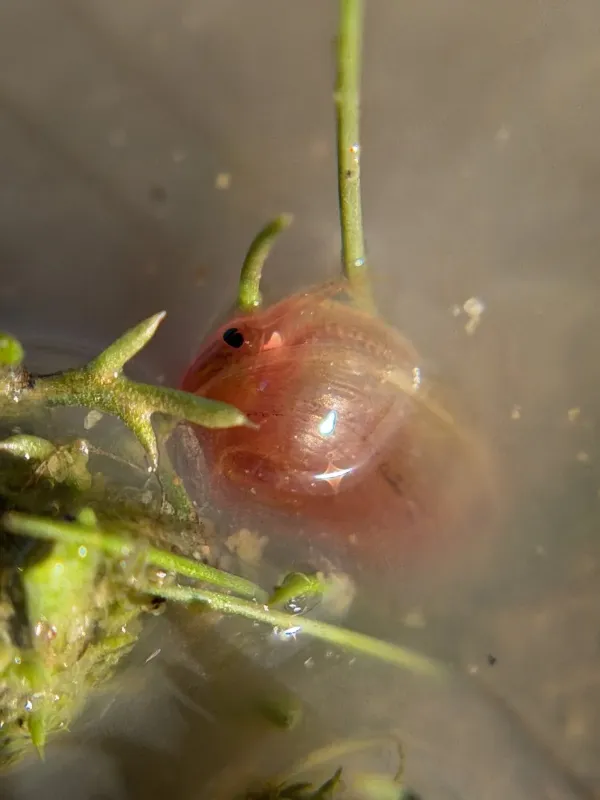
Description
How to identify
Cyzicus is a genus of small freshwater crustaceans belonging to the order Spinicaudata (often referred to as clam shrimp). These organisms are primarily found in ephemeral or temporary pools and flooded fields.
Adult individuals are characterized by a bivalved carapace that encases their entire body, resembling a small clam or a smooth, hardened shell which provides protection against predators.
They possess numerous pairs of thoracic appendages that are used for swimming through the water column and filtering organic detritus for nutrition.
Typically, these crustaceans range from 5 to 15 millimeters in length, making them visible to the naked eye but often overlooked until their population density reaches critical levels.
A distinctive biological feature of Cyzicus is their resting eggs, which can remain dormant in the soil for several years and hatch synchronously once the environment is flooded.
What it damages
The primary economic impact of Cyzicus occurs in rice cultivation, where these crustaceans pose a significant threat to germinating seeds and young seedlings in flooded fields.
They actively feed on the starchy endosperm and embryos of rice seeds, often destroying them completely before the plumule and radicle can establish themselves.
In addition to consuming seeds, they may gnaw on the roots and the base of the stems of newly emerged seedlings, causing structural damage that inhibits nutrient uptake.
Large swarms of Cyzicus create significant water turbidity, which blocks sunlight from reaching the submerged parts of the plant and hinders the initial photosynthetic process.
Severe infestations frequently result in patchy plant stands, leading to poor crop uniformity and necessitating costly replanting procedures to maintain target plant populations.
When it appears
The life cycle and activity of Cyzicus are strictly governed by the flooding of rice paddies, as the eggs require water to undergo embryonic development and hatching.
Peak activity occurs within the first two weeks following the initial flooding, as the warm, shallow water of the paddies provides an ideal environment for rapid maturation.
The life cycle from egg to reproductive adult is extremely fast, often completed in fewer than 14 days, allowing the pest to multiply rapidly during the vulnerable seedling stage.
Once the water levels are stabilized or the field is drained, the population density of active adults typically declines as they complete their cycle and deposit resting eggs.
Temperature is a critical factor; soil temperatures ranging from 20 to 28 degrees Celsius trigger massive hatching events immediately upon irrigation.
Signs of infestation
The presence of Cyzicus is often indicated by persistent water turbidity in the rice field that does not settle, even in the absence of wind or strong currents.
Observing the water surface closely in sunlight reveals tiny, jerky movements caused by the swimming action of these crustaceans in the water column.
Visual inspection of the soil surface or the seeds reveals missing embryos or gnawed radicles, which are clear indicators of feeding activity.
The accumulation of shed chitinous carapaces (shells) on the soil surface after the water level drops is a diagnostic sign of a past or ongoing infestation.
Stunted seedling growth and uneven field stands are indirect indicators that often lead to the discovery of Cyzicus swarms within the paddy water.
Control measures
Effective management of Cyzicus involves a combination of cultural practices and targeted chemical interventions during the critical early growth phases of the rice crop.
Proper field leveling is essential to prevent the formation of stagnant water pockets where these crustaceans can proliferate without being flushed out.
- Application of specialized granulated insecticides during the initial flooding stage.
- Utilizing water-soluble chemical agents effective against aquatic crustaceans.
- Implementing strategic draining cycles to disrupt the life cycle of the pest.
- Ensuring high-quality seed vigor to allow for rapid germination and establishment before significant damage occurs.
Integrated pest management strategies emphasize monitoring the field shortly after flooding to apply control measures before the population reaches the threshold for economic damage.
Taxonomy
- Latin name
- Cyzicus
- Family
- Cyzicidae
- EPPO code
- CYZISP
Discussion
No discussions yet — be the first.