
Maple fruit moth
Cydia inquinatana
Description
How to identify
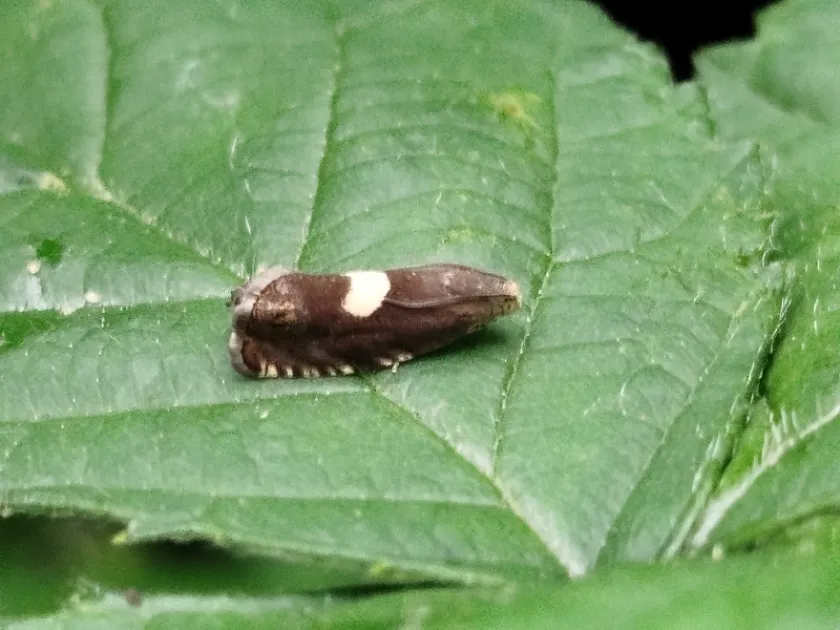
The Maple fruit moth (Cydia inquinatana) is a member of the Lepidoptera order and the Tortricidae family. The adult moth is small, with a wingspan typically ranging from 14 to 18 mm.
The forewings have a brownish-grey color with subtle markings that provide excellent camouflage against the bark of trees during the day. The hindwings are generally lighter in shade, often featuring a grayish-brown hue.
Larvae undergo several developmental stages, shifting from creamy white to a pinkish tint as they mature. A distinct diagnostic feature is the dark brown or black head capsule of the larva.
This species is highly adapted to woodland environments where host maple trees are abundant, often remaining undetected due to its cryptic and nocturnal behavior.
The life cycle is strictly synchronized with the phenology of the host plant, ensuring that egg-laying occurs precisely when the maple seeds are developing.
What it damages
The primary feeding target of Cydia inquinatana larvae is the developing seed found within the maple samaras (winged fruit). This leads to significant damage to seed production.
Infested samaras often wither or drop prematurely, making them non-viable. This poses a major challenge for seed harvesting and natural forest regeneration efforts.
During outbreaks, the moth can cause substantial losses in seed yield, which may impact the long-term sustainability of maple populations in affected areas.
While the overall health of mature ornamental trees is rarely threatened by this pest, the aesthetic value of the tree's fruit production is compromised.
The economic and ecological impact is centered on the loss of reproductive potential, which hinders the successful spread and renewal of maple stands.
When it appears
The flight period of adult moths generally takes place in late spring and early summer, coinciding with the flowering and fruit-setting stages of the host maples.
Females deposit eggs directly onto the young samaras. After an incubation period of about one to two weeks, the larvae hatch and immediately bore into the fruit.
Larvae spend their entire feeding phase inside the maple seed, remaining protected within the shell of the samara until they reach full maturity.
The species overwinters as a mature larva inside a silk-lined cocoon, typically tucked away in deep bark crevices, leaf litter, or the upper soil layer.
Pupation occurs the following spring within the overwintering site, followed by the emergence of the new generation of adults to repeat the cycle.
Signs of infestation
One of the first signs of infestation is the presence of larval frass on the surface of the samaras, often bound together by thin silk threads produced by the larvae.
The entry point where the larva bored into the seed often shows discoloration, turning reddish or dark brown as the tissue within dies or reacts.
Premature fruit drop in mid-summer is a major indicator that an infestation has occurred, signaling the need for a closer inspection of the canopy.
Dissecting a suspect samara will reveal the larval gallery and the larva itself, which serves as a definitive diagnostic method for confirming the presence of Cydia inquinatana.
The use of pheromone traps can alert arborists to the initial activity of the moths, providing early warning before significant damage becomes widespread.
Control measures
Cultural control methods involve collecting and destroying fallen maple seeds, which significantly reduces the number of larvae successfully overwintering in the soil or litter.
Biological control strategies include the application of entomopathogenic microbial agents, such as specific fungi or viruses, which target lepidopteran larvae.
Chemical control with insecticides may be necessary during periods of mass larval hatch, targeting the window before the larvae burrow deep into the seeds.
Monitoring using pheromone traps is essential for timing interventions accurately, ensuring that pesticide application is both effective and environmentally responsible.
In nurseries, maintaining proper spacing and sanitation protocols helps to prevent the buildup of pest populations and protects the quality of the saplings.
Taxonomy
- Latin name
- Cydia inquinatana
- Order
- Lepidoptera (butterflies)
- Family
- Tortricidae
- EPPO code
- LASPIU
Discussion
No discussions yet — be the first.