
Legume pod borer
Cydia fabivora
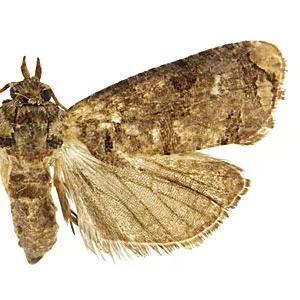
Description
How to identify
The legume pod borer (Cydia fabivora) is a member of the Tortricidae family within the order Lepidoptera. It is a specialized pest known to infest various legume species, with a primary focus on soybean crops in South American regions.
The adult is a small moth, typically brownish-grey in color, which helps it blend into the canopy. The moths are nocturnal, spending the daylight hours resting on the undersides of leaves or in shaded areas of the field.
The larvae are the destructive stage of this pest. Upon hatching, they are creamy-white or pale pinkish caterpillars that possess a robust feeding apparatus designed to penetrate plant tissue.
The lifecycle consists of egg, larva, pupa, and adult stages. The duration of each stage is highly dependent on ambient temperature and relative humidity, often accelerating in warmer tropical environments.
Accurate identification of this species is essential for agronomists, as its presence directly correlates with significant economic losses in legume cultivation.
What it damages
The primary damage is caused by larvae boring into the developing pods of soybean plants. Once inside, they feed directly on the developing seeds, which stunts plant growth and reduces overall harvest quality.
The seeds are often completely consumed or severely damaged, resulting in low germination rates and diminished commercial value for the producer.
Beyond direct feeding, the entry holes created by the larvae serve as entry points for various fungal and bacterial pathogens, leading to pod rot and secondary infections.
In high-density infestations, the larvae can destroy a substantial portion of the seed yield within a single field, posing a severe threat to the profitability of soybean farming.
Because the larvae reside inside the pod, they are protected from external environmental factors and many general-purpose predators, making them challenging to target.
When it appears
The activity of the legume pod borer is closely synchronized with the phenological stages of the legume host, specifically the flowering and pod-filling stages.
Multiple generations can occur throughout the growing season, necessitating ongoing vigilance and monitoring from the early reproductive stages of the crop until maturity.
Pupation typically occurs within the soil or in sheltered areas among crop debris, where the insect overwinters if the local climate allows, or completes its cycle in warm conditions.
Weather patterns, particularly rainfall and humidity, play a significant role in the survival rate of eggs and neonate larvae, influencing the severity of the outbreak in any given year.
Monitoring the flight activity of adult moths using pheromone traps is the most effective way to determine the optimal timing for field scouting and potential management interventions.
Signs of infestation
Signs of infestation often begin with the observation of small entrance holes on the exterior of the pods, frequently accompanied by frass or silk webbing near the entry point.
Visible symptoms include premature yellowing or drying of individual pods, which often stand out against the healthy green foliage of the soybean canopy.
- Presence of webbing around the pod surface.
- Premature abscission (dropping) of damaged pods.
- Reduced seed weight and deformed kernels upon harvest.
- Larvae or pupae found inside the opened pods during field sampling.
Scouting for these subtle visual cues is crucial for agronomists, as early detection significantly improves the efficacy of control measures.
A systematic sampling approach, involving the inspection of multiple pods across different sections of the field, is recommended to gauge the level of pest pressure.
Control measures
Management of Cydia fabivora relies on an Integrated Pest Management (IPM) approach that combines cultural, biological, and chemical strategies.
Cultural practices, such as crop rotation and the deep plowing of crop residues, help to disrupt the lifecycle by destroying overwintering pupae and reducing the population carryover.
Biological control agents, including specialized parasitoid wasps like Trichogramma species, can be released to target the eggs of the borer, providing a sustainable way to suppress populations.
Chemical control is often necessary during peak infestation periods. Insecticides should be applied when the larvae are in the neonate stage, before they successfully bore into the pods and become protected.
Maintaining a regular scouting schedule and adhering to economic threshold levels for treatment ensures that chemical applications are used efficiently and responsibly within the agricultural system.
Taxonomy
- Latin name
- Cydia fabivora
- Order
- Lepidoptera (butterflies)
- Family
- Tortricidae
- EPPO code
- LASPFA
Discussion
No discussions yet — be the first.