
Cryptophlebia peltastica
Cryptophlebia peltastica
Description
How to identify
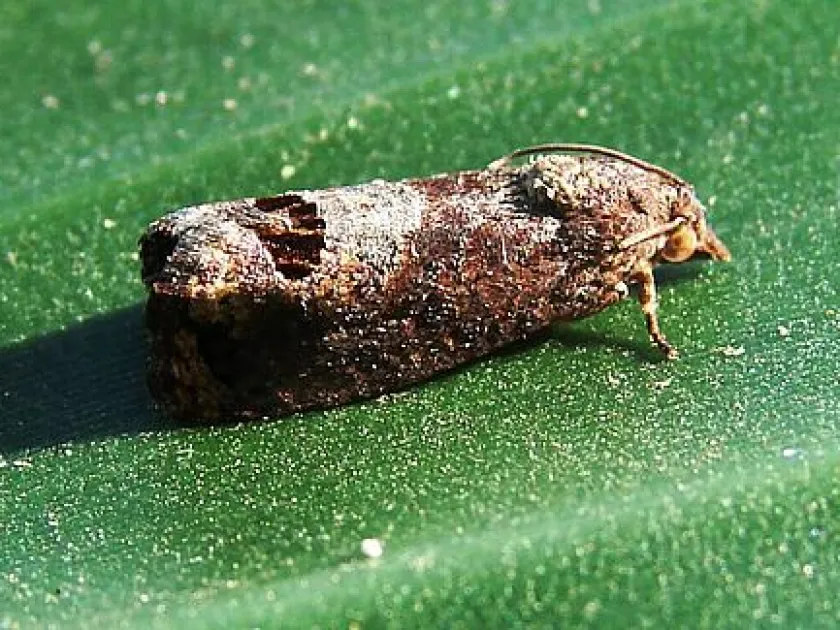
Cryptophlebia peltastica is a species of moth belonging to the Tortricidae family. This pest is a significant concern for producers of macadamia nuts, known for its ability to damage developing fruits systematically.
Adult moths are generally nocturnal and exhibit cryptic coloration, which provides excellent camouflage against tree bark. Their presence is often detected through pheromone traps rather than direct visual observation during the day.
The life cycle of this moth is highly dependent on environmental conditions, particularly temperature and humidity. These factors dictate the number of generations that can occur within a single growing season.
Eggs are typically laid on the surface of young nuts or near the peduncles. After hatching, the larvae immediately seek entry points to penetrate the pericarp and access the developing nut kernel inside.
Understanding the larval stages is crucial for growers, as the most effective control measures must be implemented before the larvae burrow deep into the fruit where they become protected from external treatments.
What it damages
The primary damage is caused by the larvae consuming the kernel of the macadamia nut. This destruction renders the nut commercially useless, leading to severe yield losses in affected orchards.
The entry tunnels created by the larvae serve as entry points for various pathogens, including fungi and bacteria. This frequently leads to secondary fruit rot, causing further crop degradation and post-harvest issues.
Affected nuts often fall prematurely, which creates a continuous supply of food for larvae on the orchard floor, potentially fueling population growth if the debris is not removed promptly.
In cases of high infestation, the damage can impact a significant percentage of the total harvest. Even minor scarring or feeding marks on the kernel reduce the quality grade, causing financial loss for the producer.
Because the larvae are internal feeders, the damage is often invisible until it is too late to intervene. Constant surveillance is required to identify the initial stages of infestation throughout the canopy.
Signs of infestation
Initial signs of infestation include tiny entrance holes on the husk of the macadamia nut. These holes are often accompanied by frass (larval excrement) pushed to the surface of the fruit.
A sudden increase in fruit drop is a strong indicator of pest activity. Fallen nuts should be inspected immediately by cutting them open to check for the presence of larvae or feeding galleries.
Pheromone trap monitoring is the most reliable method for detecting the start of the moth flight period. This data helps agronomists time their interventions to achieve the best possible results.
As larvae reach later instars, they may spin silk webs between nuts or between a nut and a twig. These webs are clear indicators of late-stage development and upcoming pupation.
Scouting the orchard during the fruit development stage is essential. Observations should focus on cluster junctions, as larvae often choose these sheltered areas to initiate their boring process.
Control measures
Integrated Pest Management (IPM) strategies for Cryptophlebia peltastica focus on combining pheromone monitoring with targeted chemical or biological applications to minimize insecticide use.
Sanitation is a vital component of control. Removing and destroying fallen nuts from the orchard floor interrupts the life cycle and prevents the population from surviving in the orchard debris between seasons.
Biological control agents, such as parasitoid wasps or entomopathogenic nematodes, can play a significant role in reducing larval numbers, especially in orchards committed to sustainable practices.
Chemical control should be limited to the critical windows of larval hatch and mobility. Using selective insecticides ensures that natural predators and beneficial insects in the orchard remain protected.
Regular auditing of harvest data and monitoring traps allows for the refinement of control strategies from season to season, ensuring that the pest population remains below the economic injury level.
Taxonomy
- Latin name
- Cryptophlebia peltastica
- Order
- Lepidoptera (butterflies)
- Family
- Tortricidae
- EPPO code
- ARGPPE
Discussion
No discussions yet — be the first.